

The Sterile Fly and the Trained Eye: How Texas Is Fighting Screwworm
Part 2 of a three-part series on the New World screwworm outbreak and the rural veterinary shortage in Texas. Part 1 laid out the overlap: the outbreak began in Zavala County, a designated veterinary shortage county, and the quarantine map sits on top of the counties with the fewest large-animal vets.
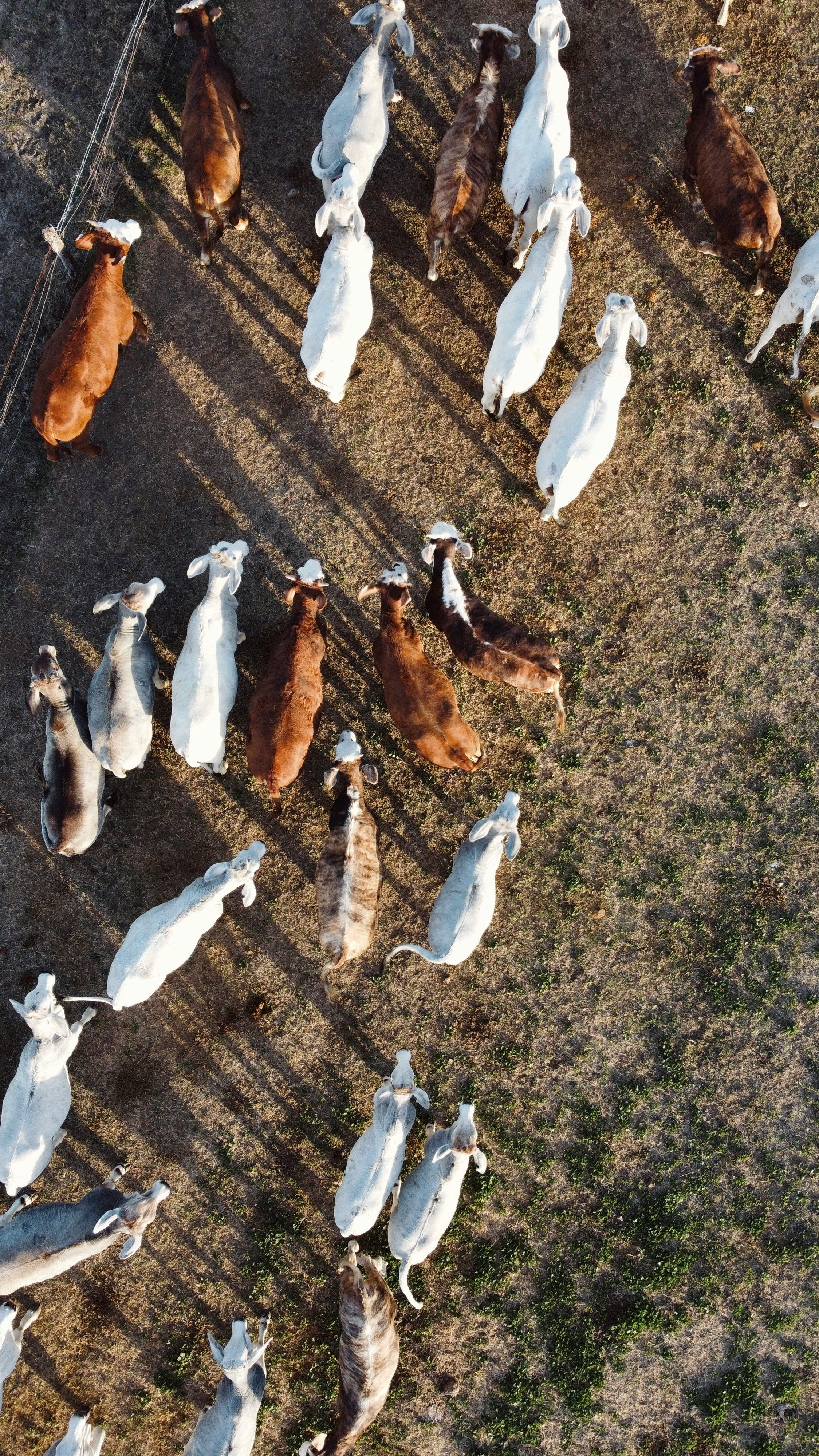
A rancher running several hundred head across a few sections cannot put eyes on every navel and every fence cut in a single morning. That work predates screwworm; what screwworm added was the deadline. A wound that would once have healed on its own can now become an infestation site within a day, and an untreated animal can be lost within one to two weeks.
The vet who could confirm a case and guide the treatment is stretched across a territory that got no smaller when the quarantine lines went up. So the question in these counties is not whether to worry. It is how you actually hold the line with the hands and the help you have.
The ordinary act that now carries a deadline. The answer taking shape across West Texas and the border is built in layers, and each layer does work the others cannot.
The sterile fly program
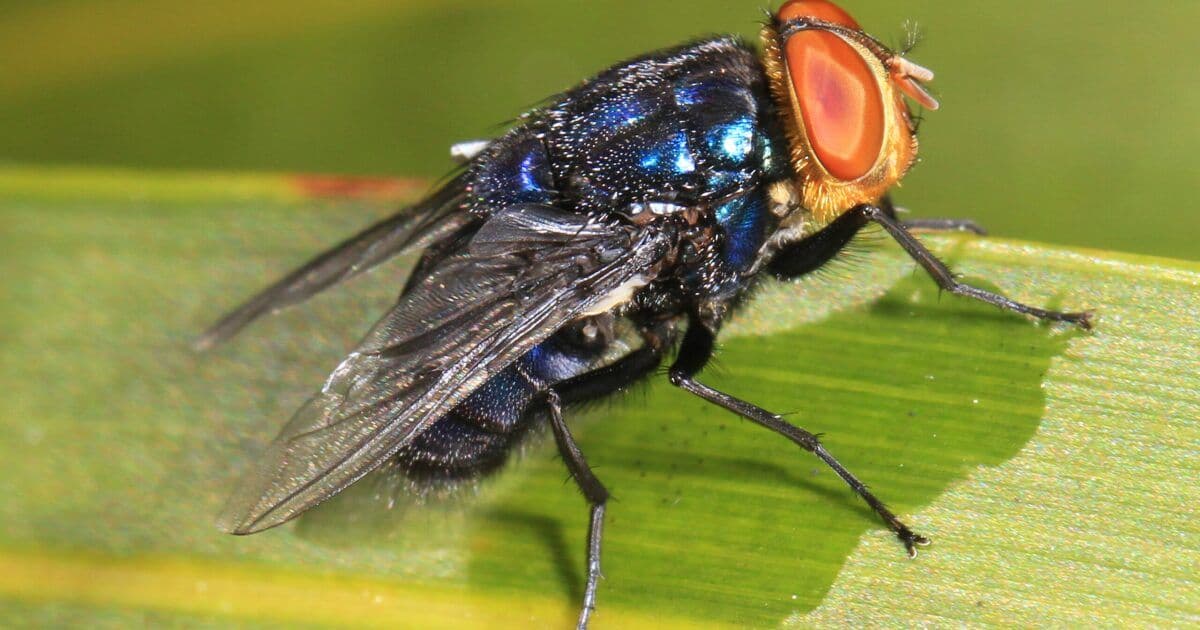
The widest layer is the sterile fly program, and it is not new science. It is the same method that drove screwworm out of the United States in 1966.
Crews raise screwworm flies, sterilize the males, and release them into the infested area by air and on the ground. Female screwworm flies mate only once in their lives. When she mates with a sterile male, her eggs do not hatch, and with each generation the wild population thins out until it collapses.
Roughly one hundred million sterile flies a week are being released along the Texas-Mexico border, and the federal government is building capacity toward several times that. This layer works at the level of the landscape, not the individual animal. It is slow, it is invisible from the truck, and it is the part no single rancher can do.
The daily check
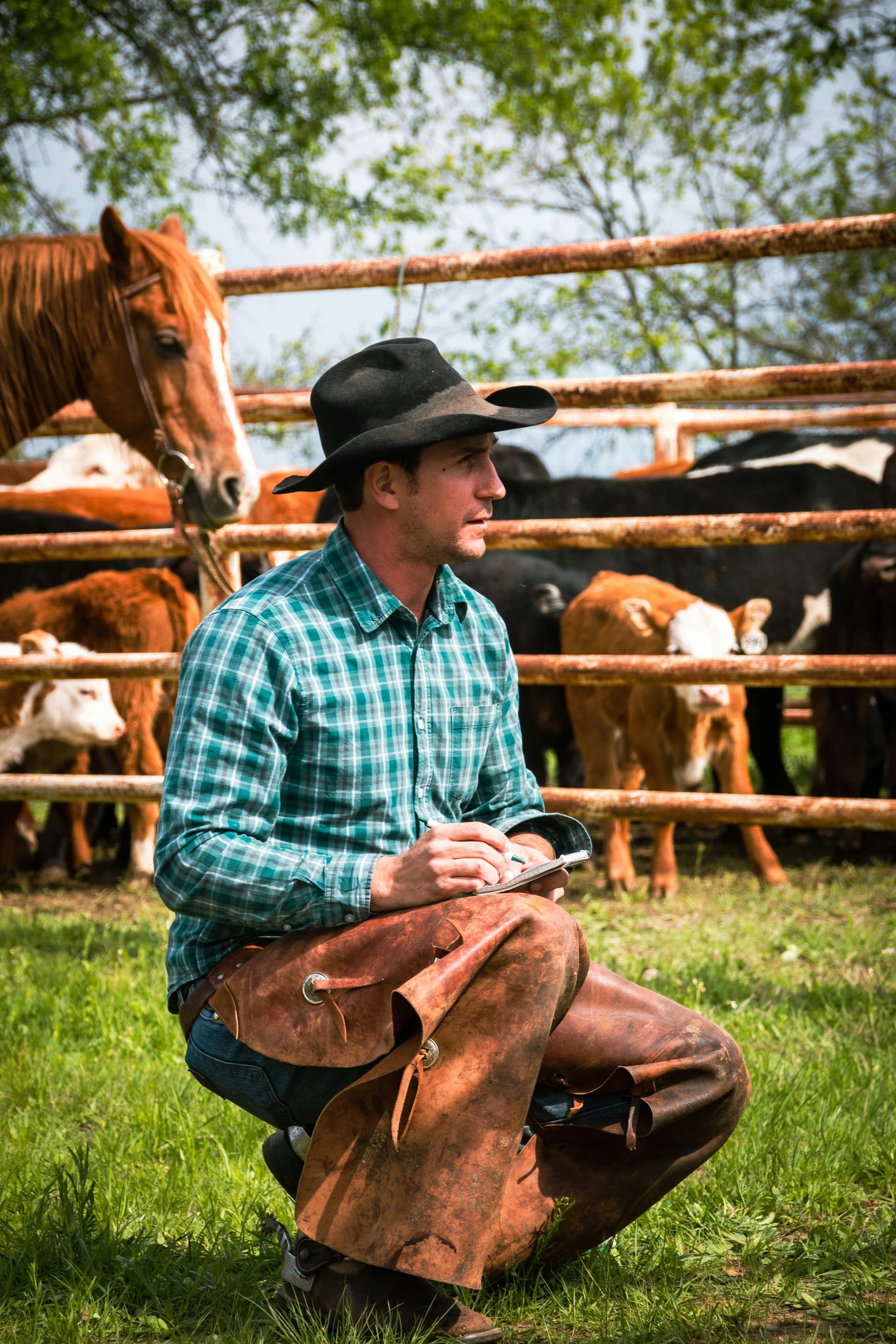
The layer a rancher does control is the daily check, and it is where cases actually get caught. Officials from the Texas Animal Health Commission on down are asking for the same thing: look at every animal, every day, and treat any wound before it becomes an opening.
A good daily check is specific:
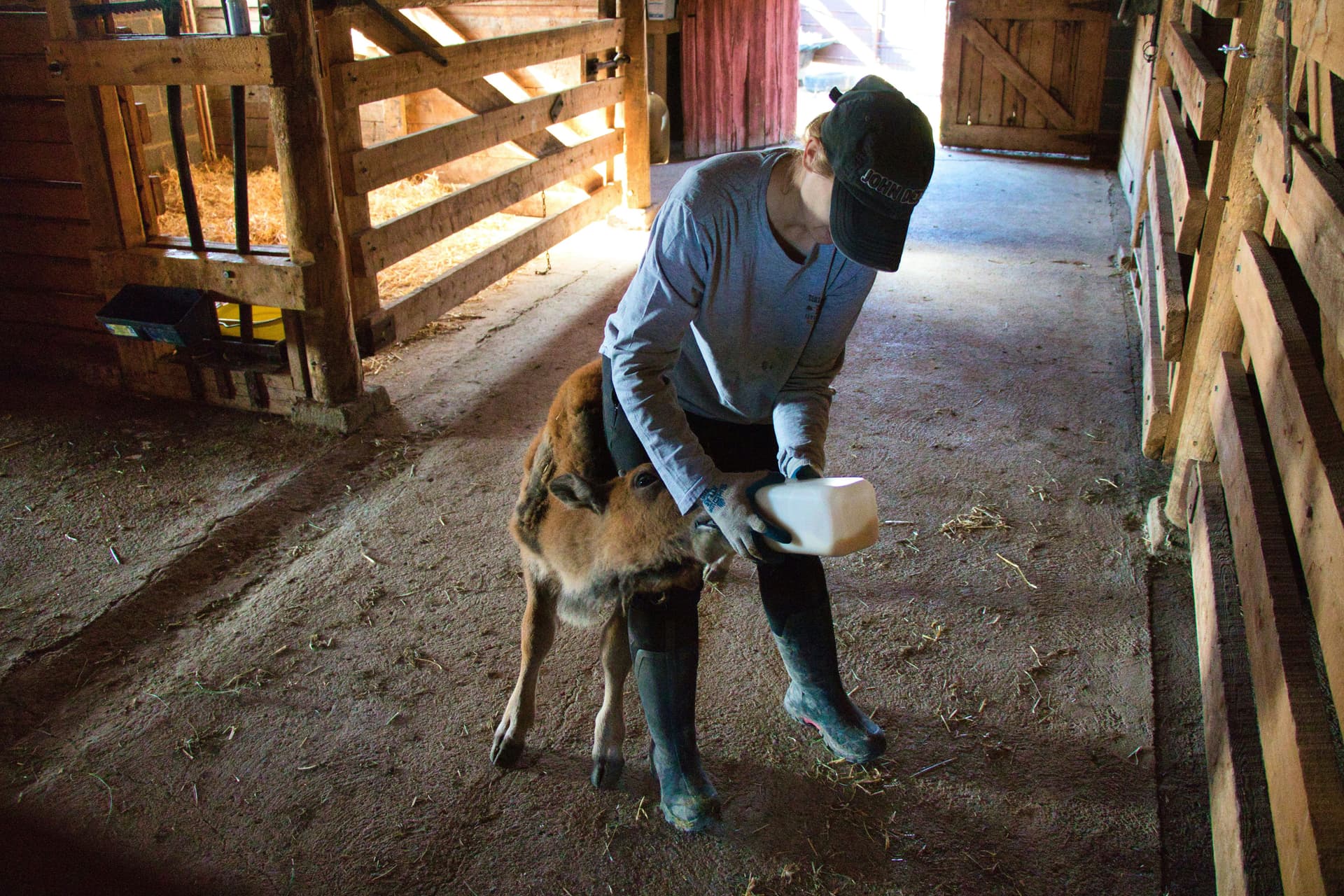
Navels on newborn calves, the single most common site in the Texas cases so far.
Fresh wounds of any size, including brands, castration and dehorning sites, tick bites, and fence cuts.
Body openings for drainage or swelling that was not there yesterday.
Behavior: an animal separating from the herd, or working at a spot on its own body.
Any wound that is getting worse instead of better, or that has visible larvae.
Catching a case on day one instead of day four is the difference between treating one animal and reporting an outbreak. That is not a slogan. It is the whole logic of the response.
The certified inspector program

The layer that answers the vet shortage directly is the newest one. The Texas Animal Health Commission and Texas A&M AgriLife built a certified inspector program that trains ranchers and other qualified people to identify infestation, inspect animals, and issue the certificates required to move animals out of a quarantine zone. Several hundred have already been trained and certified.
That last piece matters more than it sounds. Under quarantine, warm-blooded animals cannot leave a zone without a certified inspection first. In a county with a full roster of large-animal vets, the vet signs off and the load moves. In a county that was already short, a herd could sit while the one available vet worked through a backlog.
A certified inspector is not a replacement for a veterinarian and does not pretend to be one. What the program does is take a specific, repeatable task off the vet's plate and put it in the hands of trained people who are already on the ground. It stretches a thin resource further, which is the practical thing to do when you cannot conjure more veterinarians overnight.
Why the layers need each other
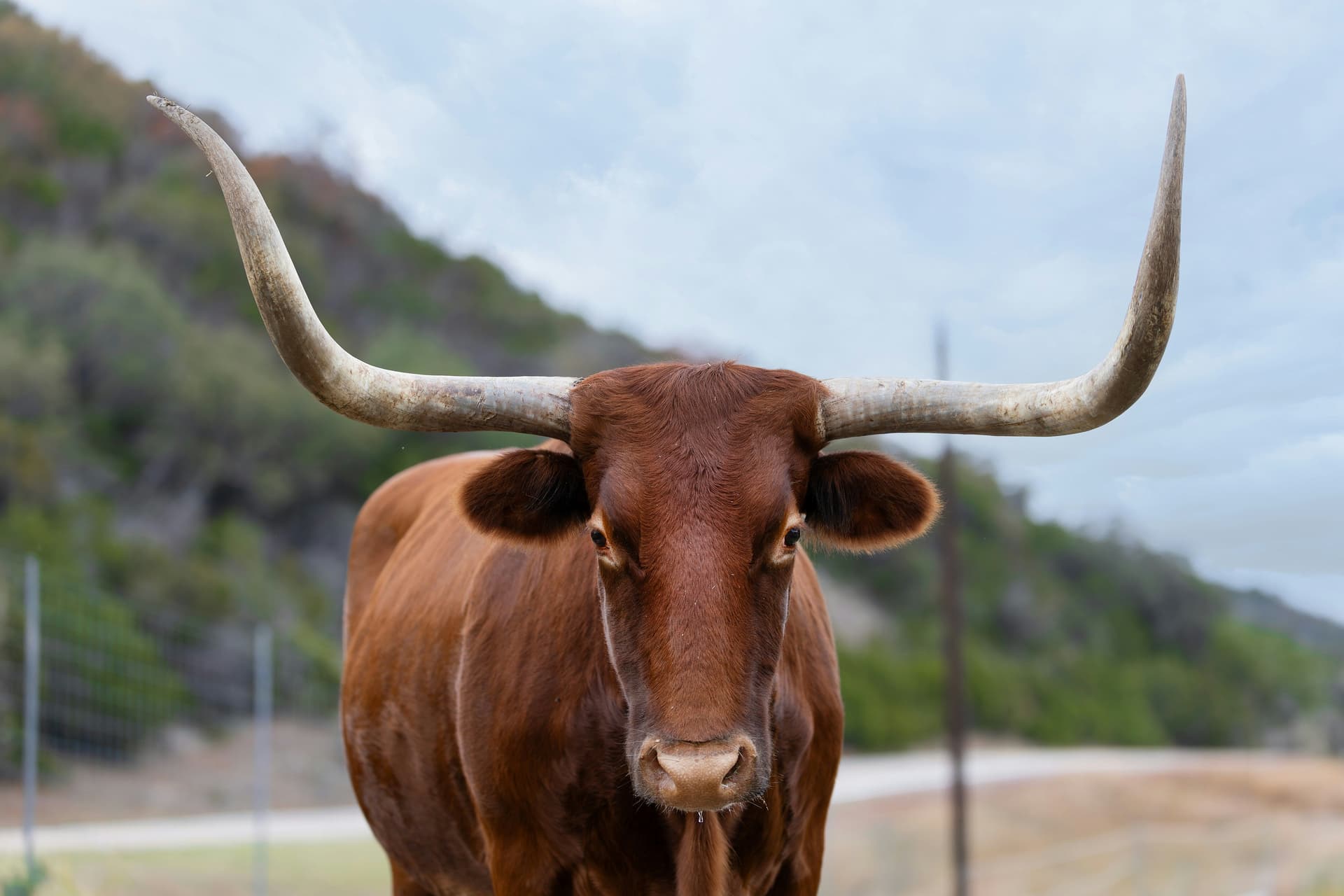
None of these layers is a cure on its own. The sterile flies will not save a calf with an active case tonight. A perfect daily check does nothing about the wild fly population three ranches over. A certified inspector cannot diagnose what a veterinarian can. Held together, they are how the brush country is buying time while the eradication effort does its slower work.
The tactics are moving faster than any single agency bulletin can keep up with, because the people refining them are the ones doing the checks and taking the course.
Ranchers in the quarantine counties are already comparing which fly-control practices are holding up in the heat, what the certified inspector course actually covers, and whether it was worth a day away from the place.
That conversation is live in the TexasRanches.com thread, county by county, from operators working the same ground you are.
If the nearest large-animal vet is a long drive from your gate, look into the certified inspector program through the Texas Animal Health Commission and Texas A&M AgriLife, and bring your questions about whether it fits your operation to the TexasRanches.com thread, where people who have already done it are answering.
Part 3 asks the harder question underneath all of this: why the vets were not there in the first place, and what would actually bring more of them to the counties that need them.

Screwworm Exposed the Vet Shortage. Closing It Is the Longer Fight.
Part 3 of a three-part series on the New World screwworm outbreak and the rural veterinary shortage in Texas. Part 1 mapped the overlap. Part 2 covered how the brush country is holding the line. This part looks at why the vets were thin to begin with, and what it would take to change that.

Explore beyond the story
Browse listings, find businesses, or save this article for later.
 Listings
 Directory
Get the Newsletter
One reported story on Texas land, delivered free every month.
By signing up, you agree to receive emails from Texas Ranches. We never sell your address, and you can unsubscribe anytime.