

Screwworm Exposed the Vet Shortage. Closing It Is the Longer Fight.
Part 3 of a three-part series on the New World screwworm outbreak and the rural veterinary shortage in Texas. Part 1 mapped the overlap. Part 2 covered how the brush country is holding the line. This part looks at why the vets were thin to begin with, and what it would take to change that.

In a lot of these counties, the large-animal vet is a phone number that now rings somewhere else. A practice in the county seat that used to answer cattle calls keeps small-animal hours. A veterinarian who covered three counties retired, and the person who was supposed to take his place went to a suburb where the work is steadier and the pay is better. The drive to the nearest one who will come out for a downed cow keeps getting longer.
Ranchers in West Texas and the border counties did not need screwworm to tell them this. They have watched it happen over years, one retirement and one closed practice at a time. What screwworm did was put a clock on a problem that used to move slowly enough to work around.
The arithmetic against rural practice

The reasons the vets are not there are not a mystery, and they are not unique to Texas. They come down to arithmetic that works against rural practice.
A veterinary graduate who carries debt now leaves school owing more than $200,000 on average. Rural food-animal work pays less than companion-animal practice in a city, so a new graduate looking at that debt often cannot afford to take the country job even when the country job is the one they want.
The numbers show where they land: roughly 8,000 veterinarians work in large-animal or mixed practice, against about 68,000 in small-animal practice, and the food-animal side has been shrinking.
Then there is the rest of the rural math:
Longer hours, and calls at any hour of the night.
A territory measured in counties rather than blocks.
Fewer clients to bill for the miles.
The wonder is that any new vet chooses it. Some still do. There are not enough of them.
That is the arithmetic, and it is why more than 240 rural areas across the country now carry a federal veterinary shortage designation. The screwworm counties were on that list before the first case showed up.
The turn is that this is a pipeline problem, and pipeline problems can be worked. The tools exist. The question is whether they get funded to the scale the gap actually requires.
Tools that can move the numbers
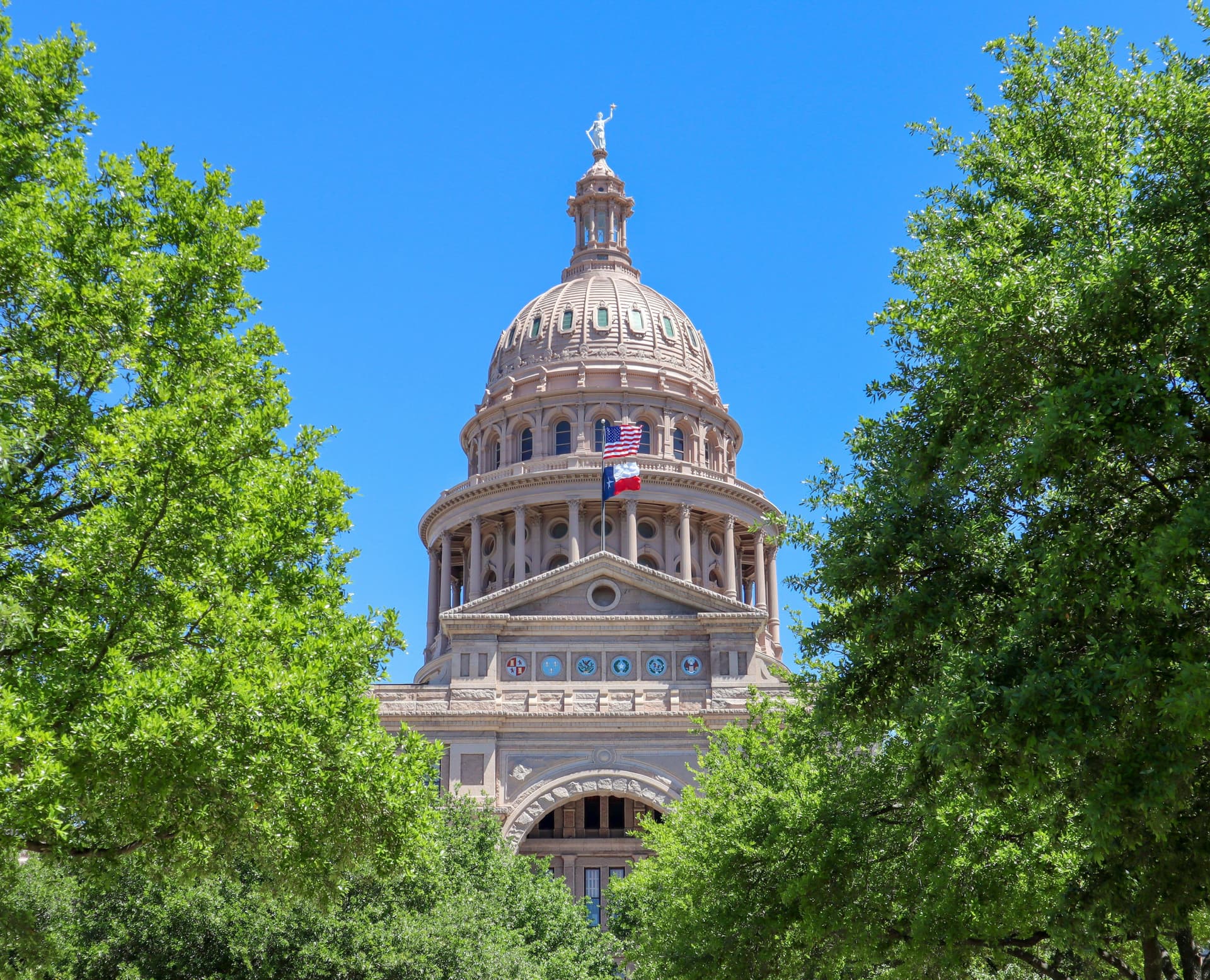
The most direct tool is loan repayment tied to rural service. Two programs attack the exact arithmetic that pushes graduates toward the city:
The federal Veterinary Medicine Loan Repayment Program pays up to $120,000 toward a veterinarian's debt in exchange for three years working a designated shortage area.
Texas runs its own version, the Rural Veterinarian Incentive Program, which offers up to $45,000 a year, and up to $180,000 over four years, to vets who commit to practice in qualifying rural Texas counties.
Both work where they reach. The limit is money: applications for the federal program consistently outrun the funding available, which leaves shortage areas designated but uncovered.
A school built for the job
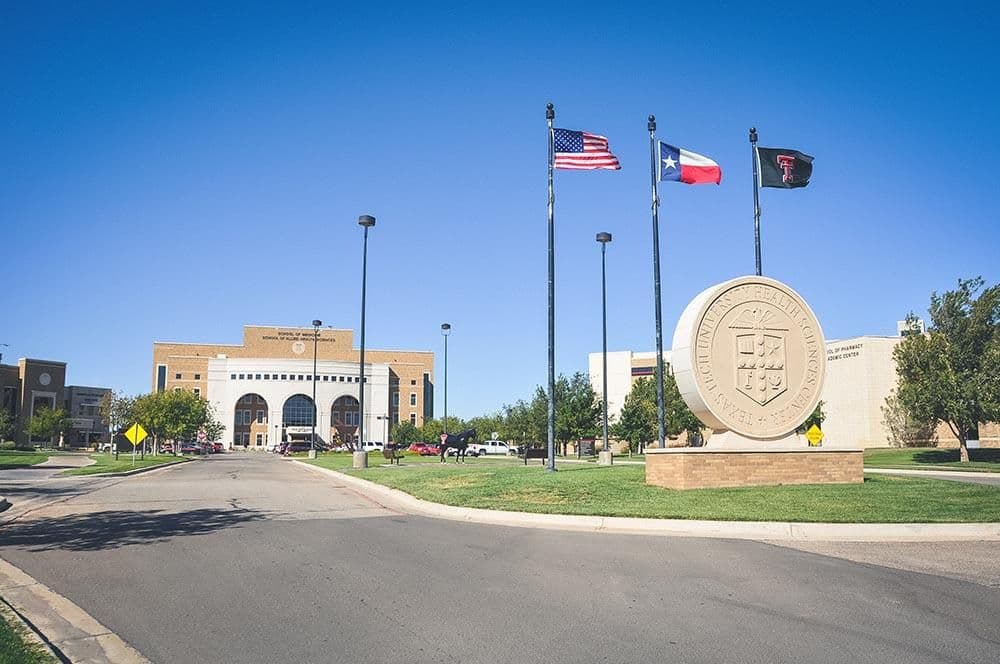
The longer-term tool is a school built for the job. The Texas Tech University School of Veterinary Medicine in Amarillo was created to produce rural and large-animal veterinarians, recruiting students from ranching country on the theory that people from these places are the ones most likely to return to them. Its large-animal training runs out of a facility called Mariposa Station. It is a real answer to the supply problem, and it is a slow one. A vet school changes a county's coverage over a decade, not a season.
The longer fight
None of this reaches the calf with a screwworm case tonight. That is the part worth being straight about.
Loan repayment moves one vet at a time and runs short of funding. A new school graduates its classes years before those graduates fill in a map.
The certified inspector program from Part 2 stretches the vets who are already there, but it does not make new ones. Closing the shortage is a decade-long project that the outbreak did not start and will not finish.
The work now is to keep it funded and staffed long after screwworm is out of the headlines, which is exactly when these efforts usually lose their support.
TexasRanches.com will keep following whether these programs reach the counties that need them, because the counties that need them are the ones this brand is built around. The conversation about which practices are still standing, and which young people are heading into the pipeline, is live in the community thread from Parts 1 and 2.
The Sterile Fly and the Trained Eye: How Texas Is Fighting Screwworm
Part 2 of a three-part series on the New World screwworm outbreak and the rural veterinary shortage in Texas. Part 1 laid out the overlap: the outbreak began in Zavala County, a designated veterinary shortage county, and the quarantine map sits on top of the counties with the fewest large-animal vets.

Explore beyond the story
Browse listings, find businesses, or save this article for later.
 Listings
 Directory
Get the Newsletter
One reported story on Texas land, delivered free every month.
By signing up, you agree to receive emails from Texas Ranches. We never sell your address, and you can unsubscribe anytime.