

The Texas Fence-Cutting War
The Law That Ended The Vigilantes, a governor's special session, and the 1884 law that closed the open range for good.
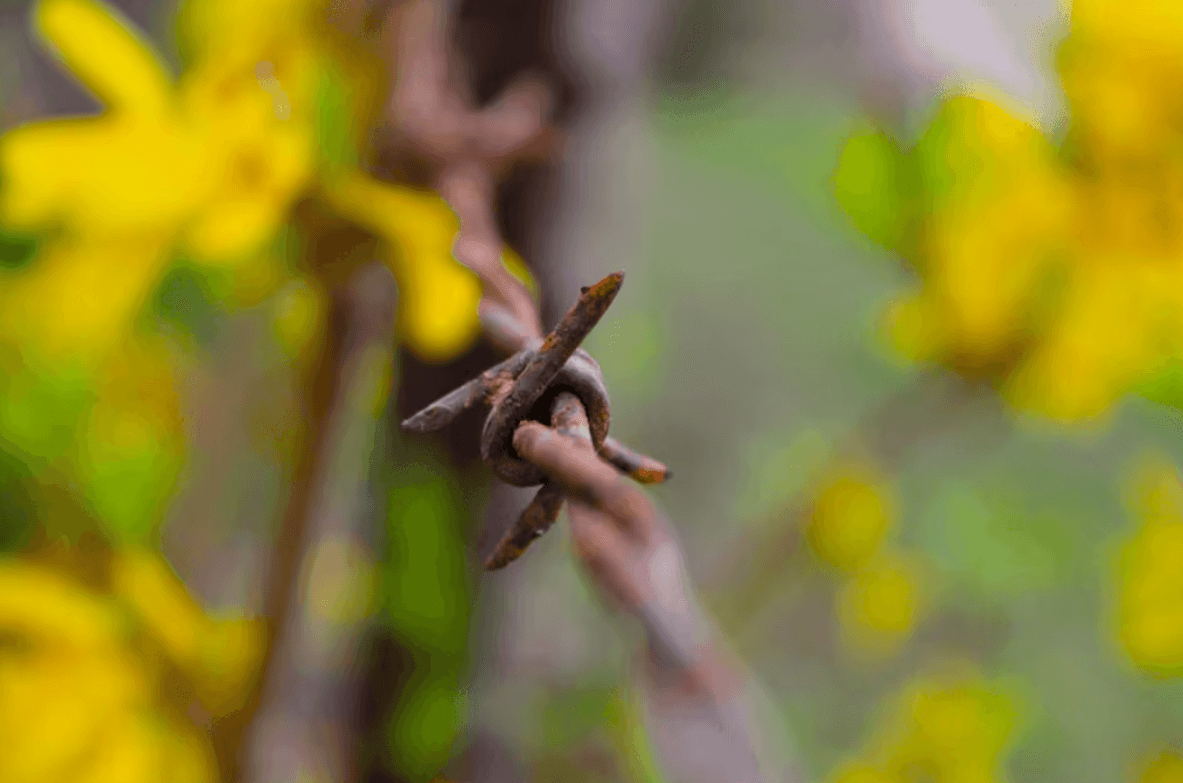
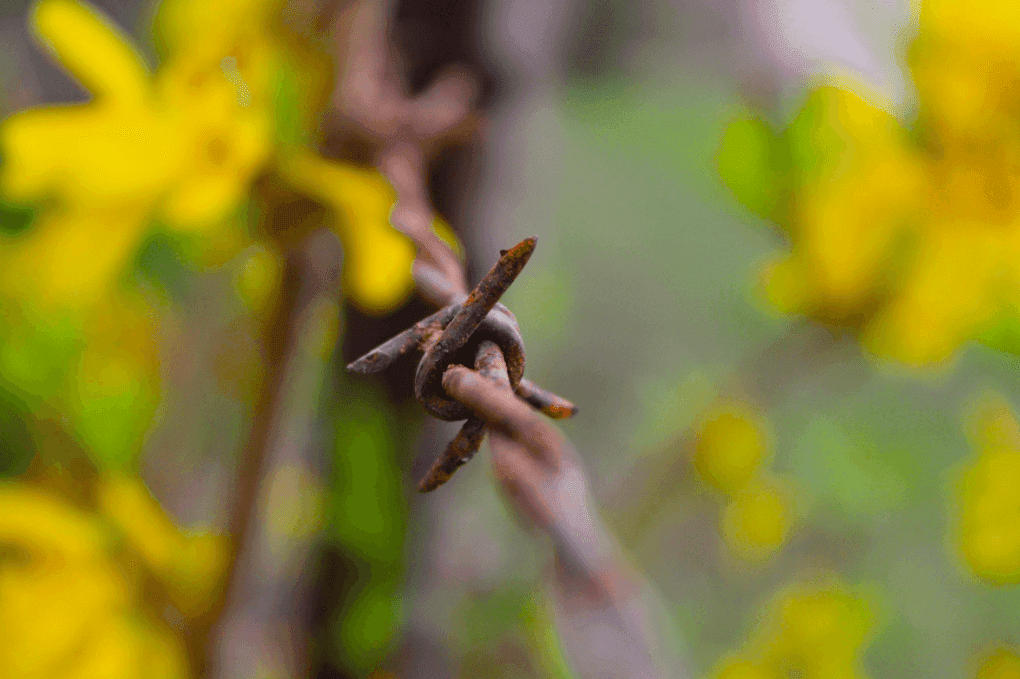
Photo Credit: Julie Alberts
By the early 1880s, barbed wire had spread across Texas fast enough to close off the open range that ranchers, drovers, and squatters had relied on for a generation. Plenty of people were furious about it.
The trouble came to a head in the summer and fall of 1883. A brutal drought that year left landless cattlemen without grass or water, and the new fences made a bad situation worse: large ranchers were enclosing public land right along with their own, blocking roads, and cutting off farms, schools, and churches from the routes people had always used. Some of these fences were perfectly legal. Others were just land grabs with wire wrapped around them.
Vigilante bands started riding at night, cutting fences under cover of darkness, calling themselves things like the Owls, the Javelinas, and the Blue Devils. Wire came down in more than half of Texas counties. Men left warning notes on posts telling ranchers not to rebuild. Pastures got torched. At least three people died in the clashes between cutters and ranchers.
One of the more remarkable holdouts was Mabel Doss Day, who by then ran what had become the largest fenced ranch in the state, having taken it over after her husband died of injuries from a cattle stampede in 1881. Cutters took down more than a hundred miles of her fence that year, and the armed men she hired to guard it were simply outnumbered. One night after five miles came down, she found a note nailed to her gate post warning that if she rebuilt, "there would be the largest coroner's inquest in that pasture ever held in Texas." She rebuilt anyway.

The best ranch advice I’ve gotten came from someone who already worked through the same problem on their own place. We built the forum so Texas landowners can find those people and ask them directly.
New to TXR?
Create a free account to join the conversation.
New to TXR? Create a free account to join the conversation.
She also fired off a letter to the Coleman Voice that October, which papers around the state picked up and reprinted: "I think the men who destroyed five miles of my fence last week could have with as much justice burnt my house." It was a blunt line, and it stuck with people. Day became one of the loudest voices pushing the legislature to step in.
By fall, the damage was staggering. Estimates put fence destruction across the state at $20 million, and the Fort Worth Gazette reported that tax valuations statewide had fallen by $30 million as a result. Farming slowed down. Settlers started having second thoughts about the whole enterprise.
Governor John Ireland called a special legislative session on October 15, 1883. It didn't convene until January 8th of the following year; the state's problems weren't going away in the meantime.
The Law That Closed It
The debate in Austin wasn't just theater. A number of legislators pushed hard for a version of the bill that would punish illegal fencing as harshly as fence cutting: if cutting wire was a felony, they argued, so should enclosing someone else's land without permission.
The legislature ended up passing the bill 71 to 22: Acts 1884, 18th Legislature, 1st Called Session, Chapter 21. Fence cutting became a felony, one to five years. Malicious pasture burning got two to five. Illegally fencing public or private land was knocked down to a misdemeanor. And anyone whose fence crossed a public road now had to install a gate every three miles and keep it in working order.
That settled it, more or less. The wire cutters put their nippers away, and the big ranchers put in their gates. There were still flare-ups here and there through the drought years that followed (Texas Rangers were still working fence-cutting cases in Navarro County as late as 1888, and isolated incidents kept popping up in West Texas after that), but the organized resistance had run its course.
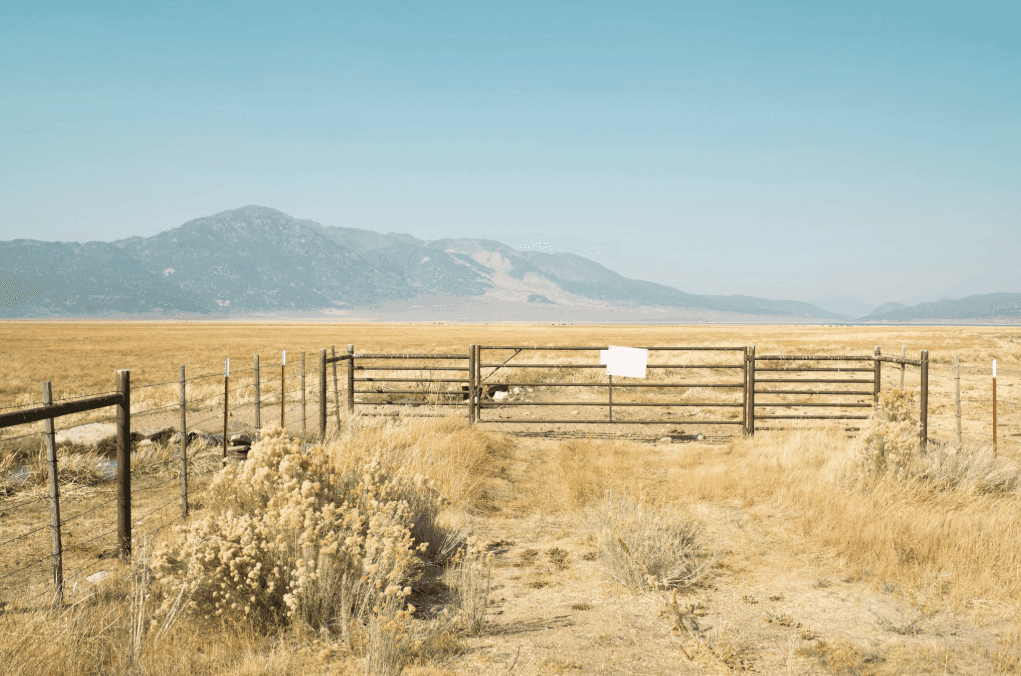
Photo Credit: Mason Field
What the Fence Actually Changed
What barbed wire did in Texas went well beyond splitting up land into parcels.
Once herds were actually enclosed, ranchers could breed cattle more deliberately. The longhorn, built for open-range grazing and long drives and not much else, stopped being the animal of choice, and breeds suited to fenced, concentrated grazing took over. The great cattle drives wound down too, and not purely because the railroads had crept closer. The open route north simply didn't exist anymore.
Land ownership started to mean something it hadn't before. A deed now matched up with an actual line on the ground, one a man might genuinely fight over. Nobody could just keep drifting west to outrun the paperwork; there wasn't a frontier left to absorb them.
All the questions Texas had managed to put off for a generation, simply because there was so much open space to argue over, came due at once. Who actually owned a given stretch of ground. Who got to graze it, cross it, or draw water from it if a neighbor's fence now blocked the way. After 1884, none of that was left to custom. It was law, with real penalties attached.
None of the underlying tension went away; it just found new shapes. Water rights, easement fights, grazing leases: Texas land law still carries traces of that old argument. But the basic terms had changed for good. Ownership was no longer decided by who showed up first and stayed the longest. It came down to a document.

John Warne Gates, whose wire demonstration in San Antonio back in 1876 helped set all of this in motion, went on to bigger things: steel, railroads, eventually oil. He held 46 percent of the Texas Company, later Texaco, and helped bankroll the first well at Spindletop. He doesn't seem to have spent much time looking back at what he'd started. But by the time he moved on, the wire had already done its work. It gave Texas land its edges, and what Texas did with those edges shaped the century that followed.
For the story of how barbed wire arrived in Texas and set this all in motion, read Part One: "How Barbed Wire Came to Texas."
For more on Texas land history and what it means to buy and own ranch property in Texas today, the brokers at TexasRanches.com can walk you through what a deed represents, how water rights attach to land, and what to look for before you sign.

Sources
Wayne Gard, "Fence Cutting," Handbook of Texas Online, Texas State Historical Association, last updated December 16, 2024.
https://www.tshaonline.org/handbook/entries/fence-cutting
"Legislating on the Range: Ending the Fence Cutting War of the 1880s," Legislative Reference Library of Texas, September 11, 2018.
"John Warne Gates," Handbook of Texas Online, Texas State Historical Association.
https://www.tshaonline.org/handbook/entries/gates-john-warne
Wayne Gard, "The Fence-Cutters," Southwestern Historical Quarterly 51 (July 1947). Cited in TSHA Handbook bibliography above.
Acts 1884, 18th Legislature, 1st Called Session, ch. 21 and ch. 24, General Laws of Texas, via Legislative Reference Library of Texas.
https://lrl.texas.gov/scanned/sessionLaws/18-1/HB_2_CH_XXI.pdf
Recommended Properties
Trending in Texas
Explore beyond the story
Browse listings, find businesses, or save this article for later.
 Listings
 Directory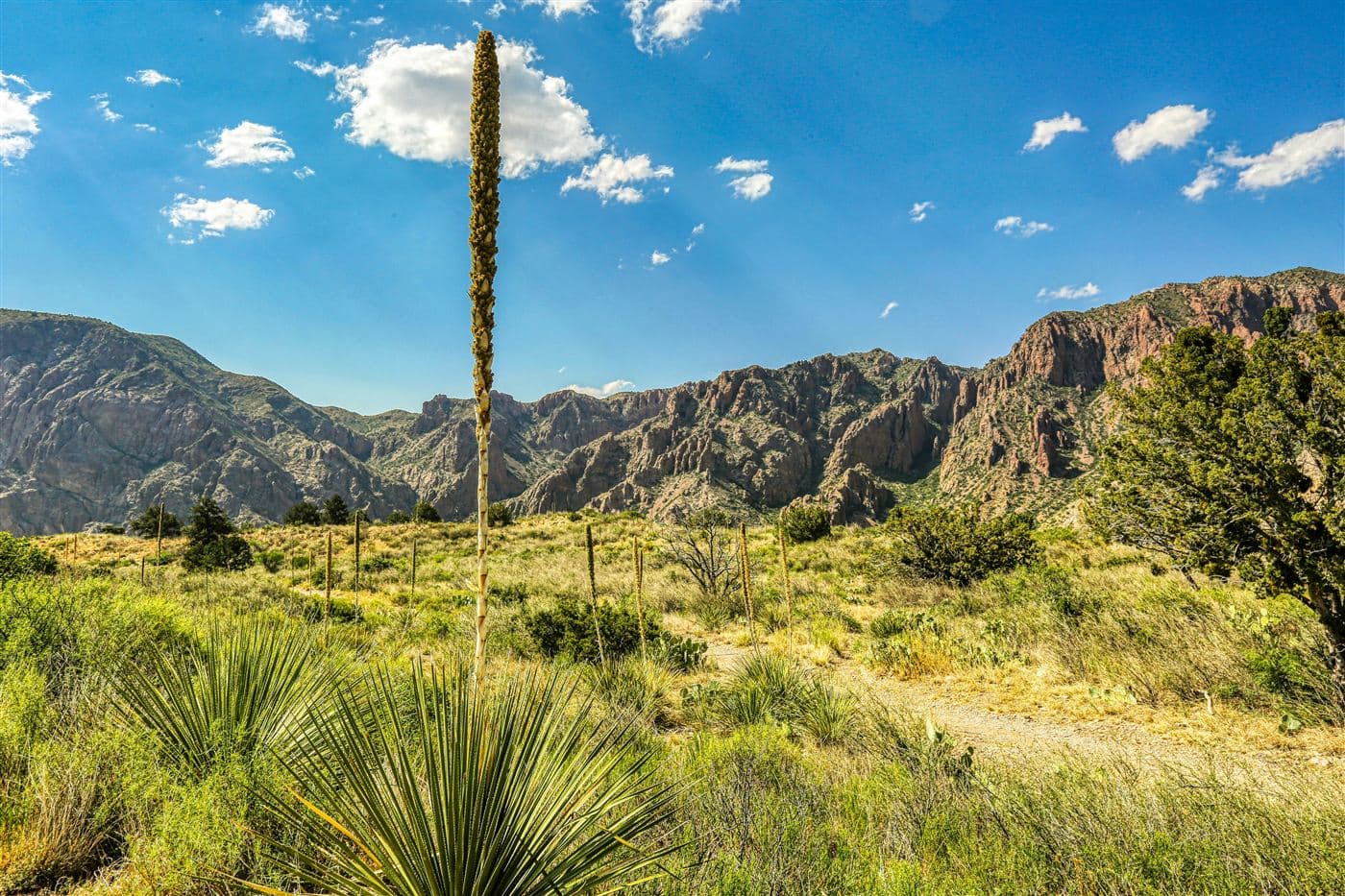
Get the Newsletter
One reported story on Texas land, delivered free every month.
By signing up, you agree to receive emails from Texas Ranches. We never sell your address, and you can unsubscribe anytime.