

Why Grass Comes Back After Forestry Mulching in Texas
25 years of forestry mulching in the Hill Country and Central Texas, from the family behind Cedar Eaters of Texas.
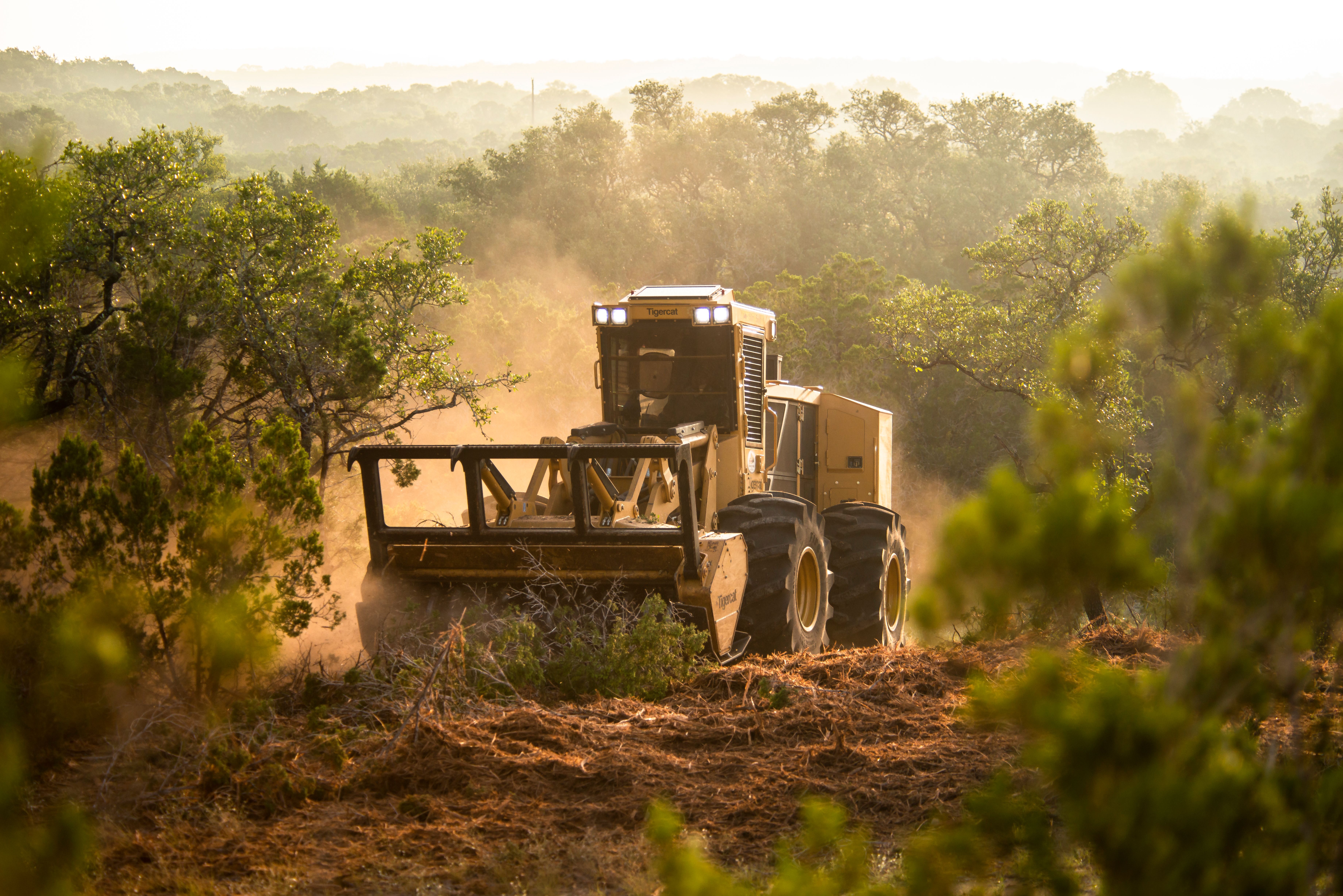
Water does not stay where it falls on land that has been stripped down to bare dirt. It runs off fast, taking topsoil with it, and shows up somewhere else, a stock tank, a creek, a neighbor's fence line, instead of soaking into the ground it landed on. That holds true anywhere brush gets cleared in Texas, not just in cedar country.
Brush clearing decides which of those two things happens, and that decision is what water conservation looks like at the property level. Land that is cleared and left bare sheds water; land that is cleared and left with grass and a thin layer of mulch holds onto it. Which one happens on a given property depends almost entirely on how the clearing gets done, and on who is doing it.
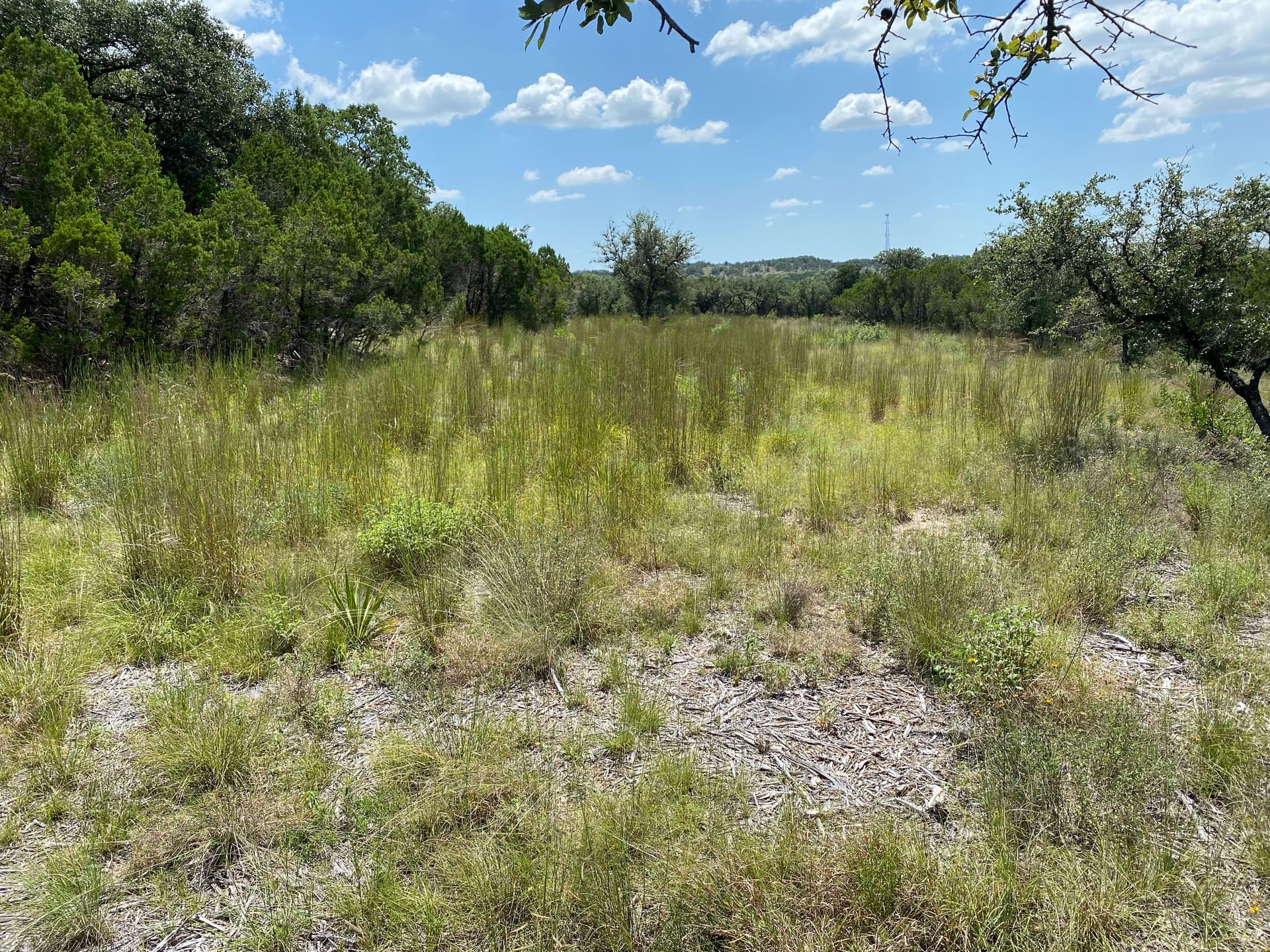
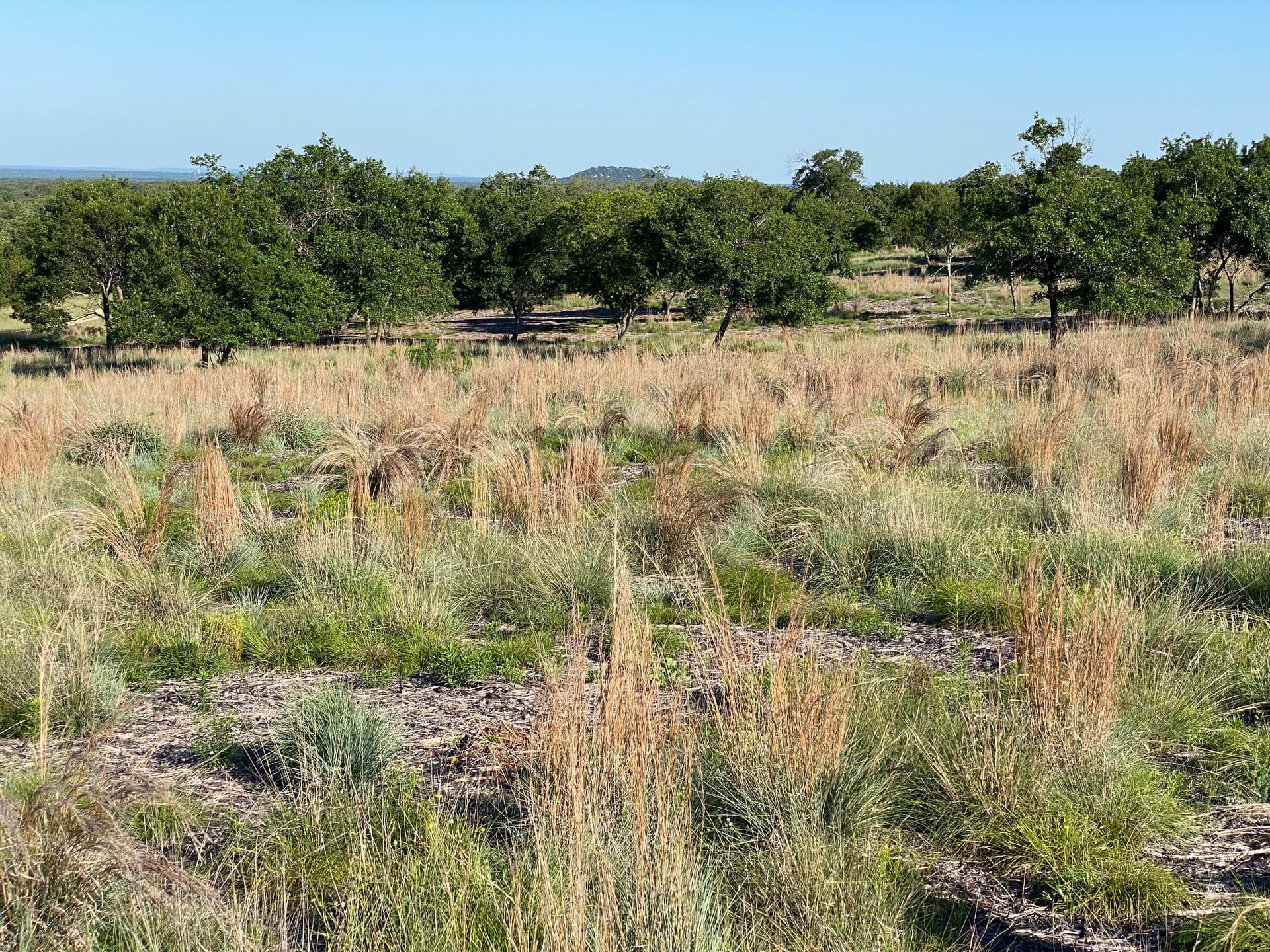
Grass typically grows back within one to four years after forestry mulching, as long as a thin mulch layer stays on the ground and grazing holds off for at least a season.
The Family Behind the Name
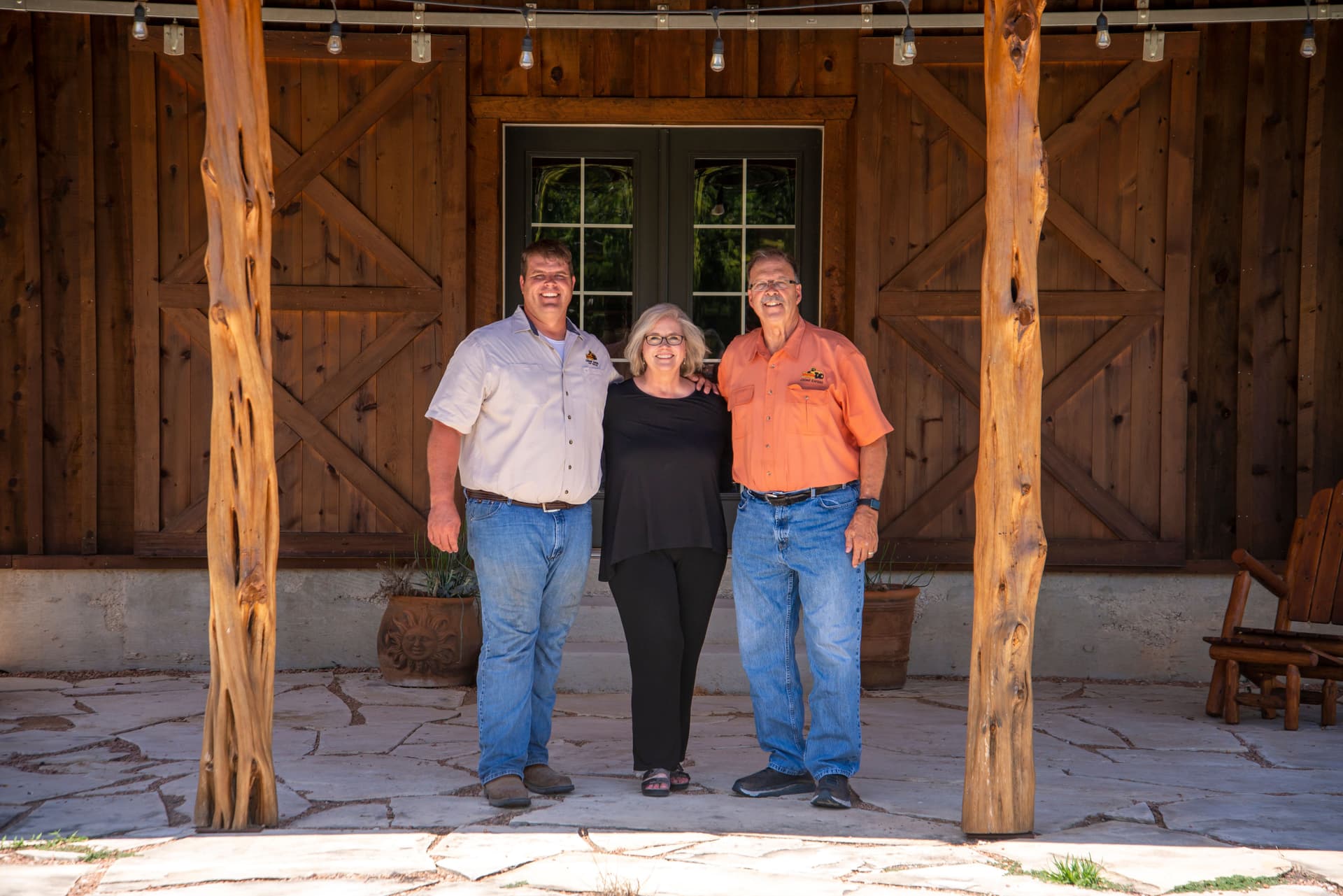
Pam and Stan Hegener started the company in 2001 under the name Legacy Homestead Development, after buying a ranch near Bergheim and picking up one small mulching machine to manage their own brush. Neighbors started asking who had cleared their land, and a personal project turned into a full-time business.
The Cedar Eaters name has a history of its own. The Hegeners acquired the trademark years after starting their business and spent time building it into what it has become: a name Texans now use as shorthand for forestry mulching itself, whether or not the crew running the machine has any connection to the company. That kind of recognition does not happen by accident.
Their son Spence joined in 2005 and now runs day-to-day operations. The company relocated to a larger facility in Comfort in 2016 to support a bigger equipment fleet and a service area that now covers North, Central, and South Texas, along with parts of Oklahoma and New Mexico.
Cedar Eaters of Texas clears cedar and mesquite. It stays out of dirt work, road building, and tank construction on purpose, which keeps the crew and equipment specialized for exactly that kind of restoration-focused clearing. Their services include:
Cedar clearing and forestry mulching
Mesquite grubbing
Hand crew cutting and chipping
Right-of-way clearing for power lines and pipelines
Wildfire prevention and recovery work
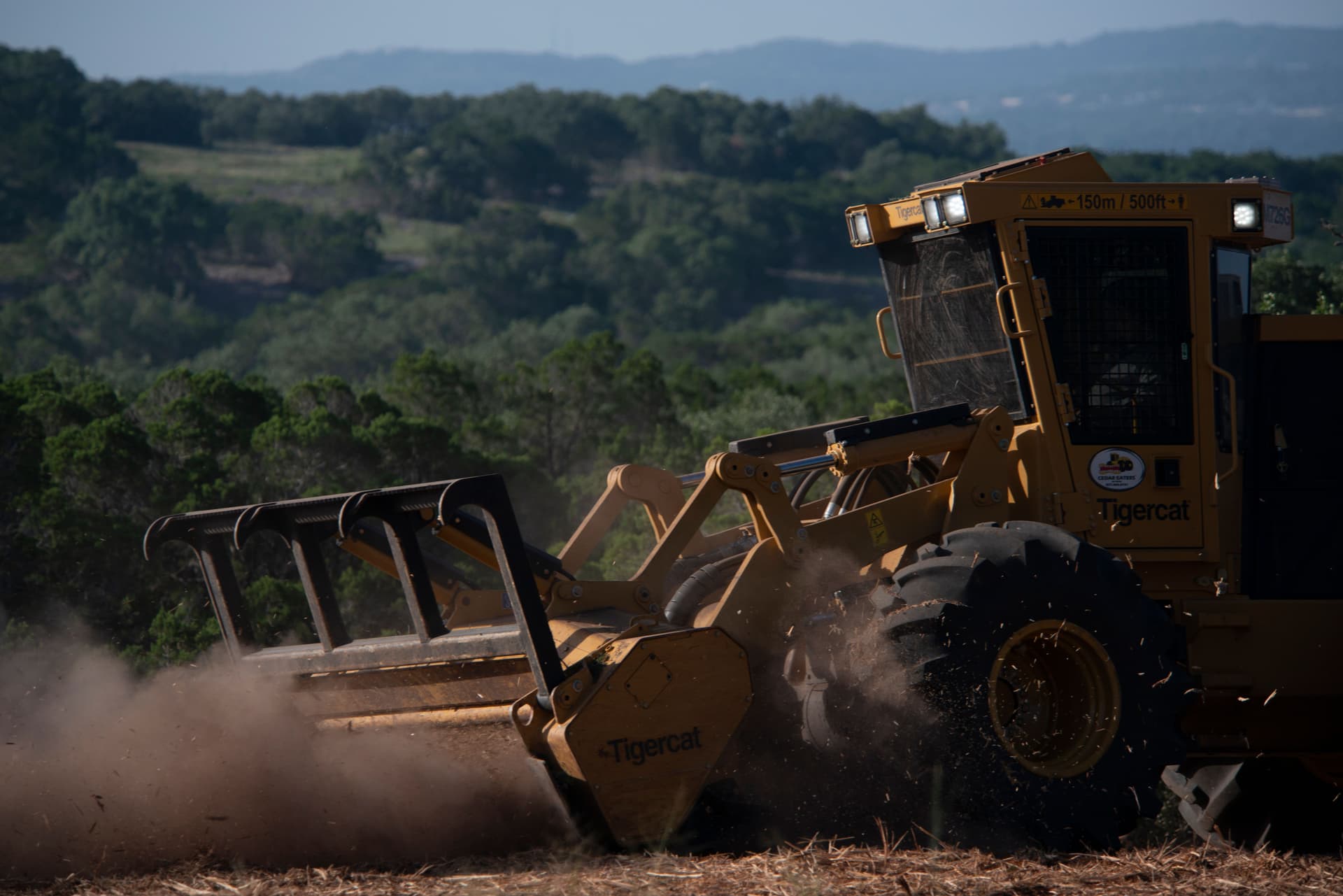
Stan Hegener has described the approach directly: “We take pride in finding ways to make the land clearing process as proficient as possible while leaving behind a minimal environmental footprint.” That approach shows up most clearly in what happens to a property after the crew leaves.
What Comes Back After the Cedar Comes Down
Cleared land does not have to sit bare. Native grasses that have been waiting under cedar cover, sometimes for decades, start filling back in once they get light and moisture again. Species landowners are seeing return on cleared Hill Country ground include:
Little bluestem and big bluestem
Blue grama and native Muhlenbergia species
Frostweed, prairie verbena, and other native forbs
A thin layer of mulch, an inch or two, actually helps that process along instead of blocking it. It cuts down on erosion by breaking the force of hard rain before it hits bare soil, catches seed in small pockets instead of letting it wash away, and holds moisture through the first dry spell after clearing.
Recovery takes time. Photo documentation of cleared sites over a four-year span shows the difference. Giving cleared ground at least a year without grazing gives native grass the head start it needs before cattle or wildlife start working it over.
Dozing tells a different story. Pushing brush into piles works fine in open country, but in wooded areas those piles often cannot be burned or hauled off, so they sit and can take years to clear out on their own. That difference in what gets left behind is part of why Cedar Eaters has stayed with mulching for restoration-focused projects.
What a Camp Bullis Project Showed About Water
Grass is not the only thing that responds to how clearing gets done. On a project at Camp Bullis, Cedar Eaters mulched a hilltop along the land's natural contour instead of in straight lines, a method sometimes called beaver biomimicry, aimed at slowing rainfall runoff so more of it soaks into the soil instead of running off.
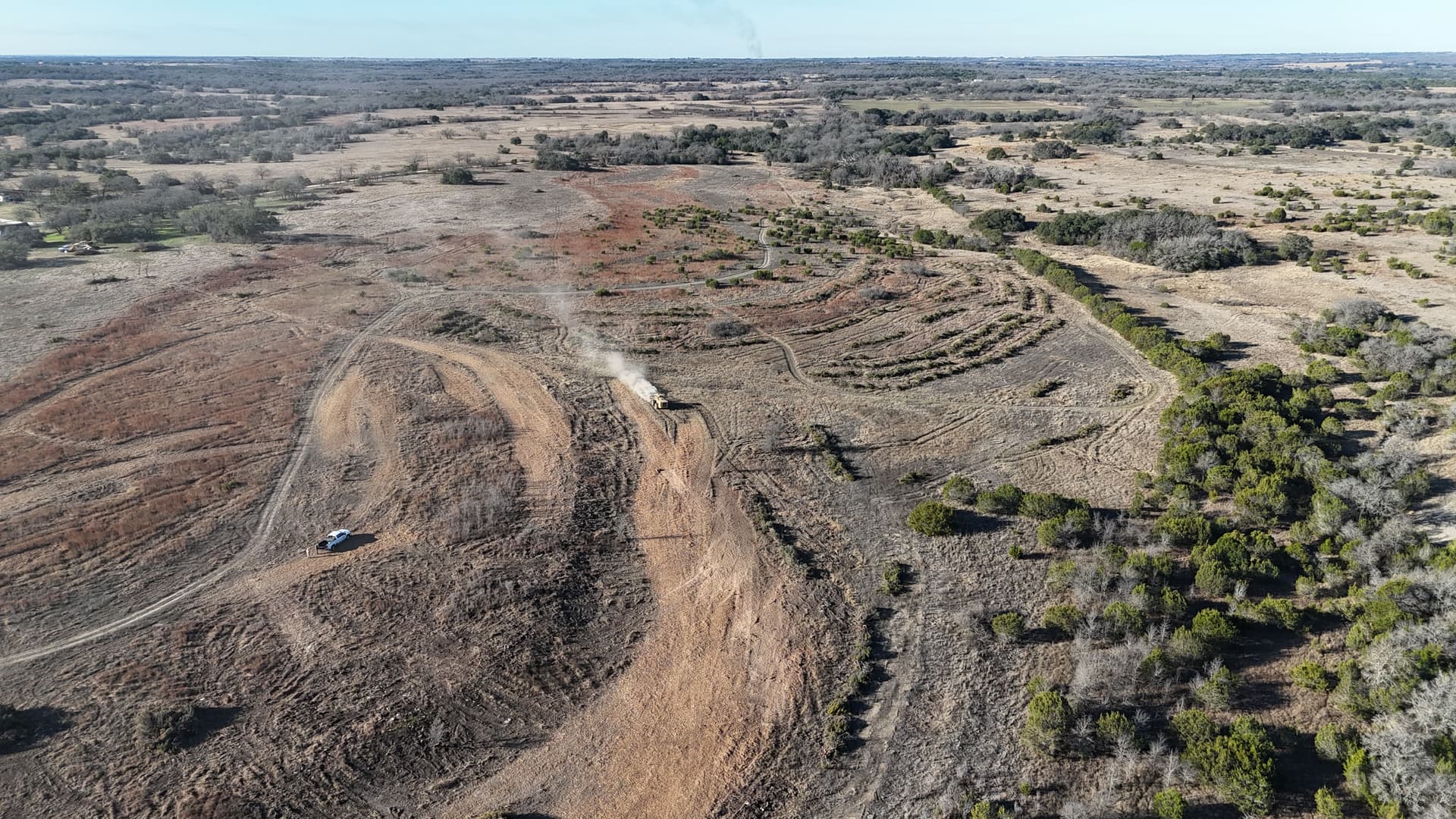
Cedar Eaters says the springs in that treated area have run longer and stronger in the years since, compared to nearby ground that was dozed or left uncleared. That fits a pattern many Hill Country landowners already recognize: how land holds water after a hard rain often has as much to do with what is on the ground as how much rain fell.
A landowner weighing forestry mulching against dozing for a specific piece of Hill Country or Central Texas ground is deciding something that will still be visible on that land five years from now. Visit Cedar Eaters of Texas to see more of their work and start that conversation.

Good ranchers know we don't do this alone. This is a place to discuss everything from legacy planning, herd management, and land stewardship to innovative revenue models shaping the next generation of ranching in Texas.
Continue the Conversation on the Forum
Join the discussion with Texas landowners, ranchers, and experts.
New to TXR? Create a free account to join the conversation.
Explore beyond the story
Browse listings, find businesses, or save this article for later.
 Listings
 Directory
Get the Newsletter
One reported story on Texas land, delivered free every month.
By signing up, you agree to receive emails from Texas Ranches. We never sell your address, and you can unsubscribe anytime.