

What Your Texas Ranch Is Worth, and How an Appraiser Decides, Part 2
The Appraiser’s Eye: fifty years of putting a price on Texas land, from a Lubbock appraiser who has done it since 1971
Geoffrey Moffett
In Part 1, Lubbock appraiser Sam Middleton walked through how a ranch’s value gets built: comparable sales, water, and the gap between a landowner’s number and the market’s. Part 2 covers the forces reshaping that number today.
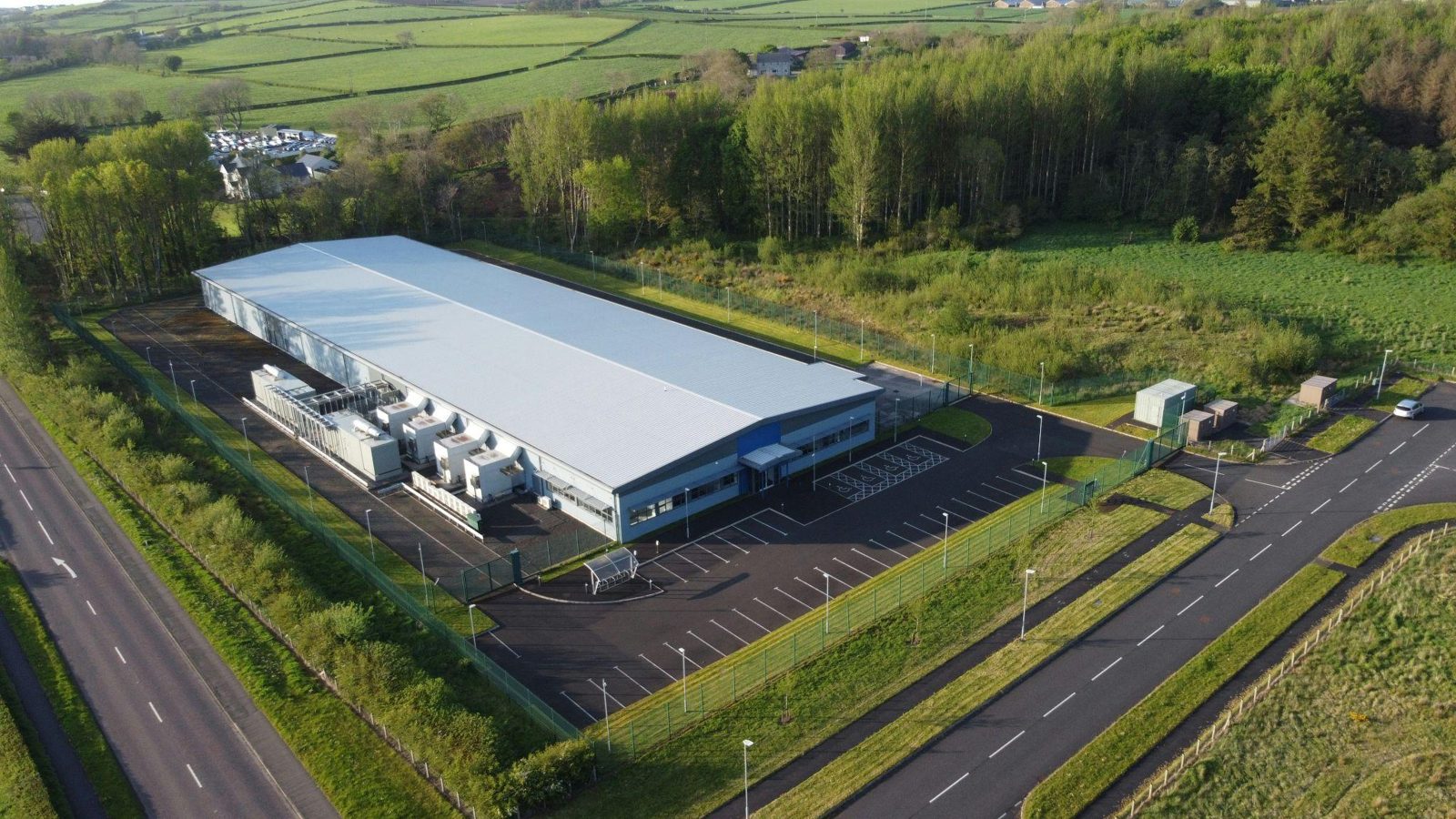
How Data Centers Are Changing Ranch Values in Texas
Every generation of Texas land has had a force that changed what it was worth. The one changing it now is about a year old.
“In the last nine to twelve months, this data center deal is just crazy,” Sam says. He has clients who sold part or all of a ranch to a data center developer for what he calls life-changing money: land he would have valued at $2,500 to $4,000 an acre selling for $40,000 to $100,000, in large tracts.
Those sellers then call him wanting a replacement ranch under a 1031 exchange, the tax rule that lets a seller put the proceeds into another property and put off the capital gains tax. Large ranches to buy are hard to find right now.
The people he worries about are the ones who did not sell. There is no sales data yet, and he says so plainly. But the neighbor across the fence now lives beside lights that never go off and a camp of several hundred workers.
That neighbor also lives with a question: whether the center will expand and buy him out at the same price, or whether his $4,000-an-acre ranch is now a $1,000-an-acre ranch because of what is next door.
He has seen this once before. When the wind farms came to West Texas, adjoining landowners went to court over the view across the fence and, as Sam recalls it, lost, because the turbines were not on their land. He expects the data centers to follow the same path.
A market that did not exist a year ago is now something an appraiser has to price.
How Undivided Interests and Easements Change What a Ranch Is Worth
The most useful thing an appraiser can tell a family is often not what the ranch is worth today. It is what the ranch will be worth to the tax man on the day it passes to the next generation. Estate tax is figured on that number, and when the number is high enough, the heirs sell the ranch to pay it. A lower appraised value, arrived at legitimately, is what lets them keep it, and the owner has to start years ahead of time to get there.
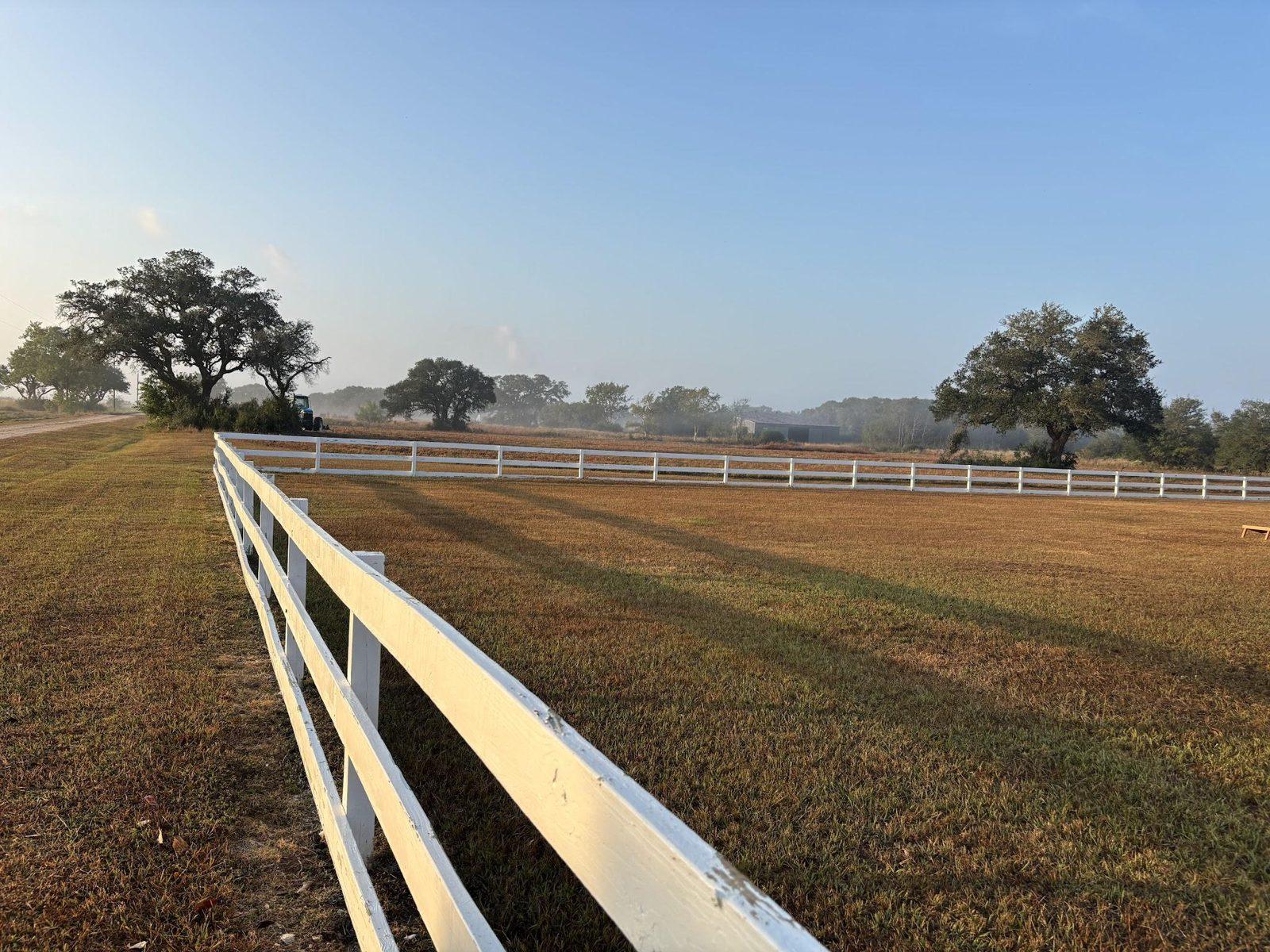
A family ranch in Provident City, TX
- Undivided interests. Instead of owning the ranch outright, an owner gives the children a share of the whole place: not a fenced-off pasture, but ten or fifteen percent of every acre, gifted over a period of years while he is alive. On the day he dies, the estate no longer holds the whole ranch. It holds a fraction of one.
A fraction is worth less than its share of the whole, because almost nobody will buy one. “Nobody wants to buy an undivided interest in a ranch,” Sam says. His files hold about thirty sales of undivided interests, and they show a discount of thirty-five to forty percent. A ranch worth $1,000 an acre as a whole may be worth about $600 an acre as a fractional share.
That discount lowers the estate, and with it the tax. Family limited partnerships work the same ground from another angle, moving control of the operation to the next generation before the estate is counted.
- Conservation easements. A different tool, chosen for other reasons, with a similar effect on value. In Sam’s experience an easement takes thirty to fifty percent off, depending on the restrictions written into it. The exceptions he names are the Gulf Coast and the Davis Mountains, where buyers would rather have the land whole and the discount nearly disappears.
Most of Sam’s appraisal work today is this kind of work rather than a sale. His office is booked sixty to ninety days out, which is longer than a lender can wait. What fills that calendar is estate planning and date-of-death valuation: the call from the family after the funeral, or, in the cases that go well, the call five years before it.
None of it is done from an article. It is done with an estate attorney, an accountant, and an appraiser’s read of the discounts, years before the number is needed.
The families who keep the ranch are the ones who had the number built before anyone asked.

What Texas Ranch Land Has Returned Since the 1960s
Sam sits on the advisory board of the Texas Real Estate Research Center, which has tracked Texas land values since the 1960s. Over that span, by his account, rural land has appreciated six to six and a half percent a year. Not every year: the 1980s took it down and 2008 softened it.
After the pandemic some areas rose forty percent in a single year, and that is the memory that now gets in the way of a sale. “People remember that huge increase and think it’s still happening. It’s not. That demand was handled in ’21 and ’22.”
Set against that appreciation, a ranch as a business barely pays. “If you can make a one or two percent return, you’ve done a great job.” What makes it a good place to put money, in Sam’s telling, is the sum of what an appraiser can measure and what he cannot: the depreciation on the improvements that helps at tax time, the long slow climb in the land, and the fact of owning it.
Fifty years ago the number on a ranch was one man’s opinion on one sheet of paper, trusted because the man was. Now it is seventy-five miles of comp sales, a page of adjustments, and an argument that has to hold up under an audit. The men who sign it are still trusted; now they have had to show their work.
The price on a ranch is built by somebody, and the landowner can watch it being built.
For landowners deciding what to do with a family property, the appraisers, brokers and land professionals in the TexasRanches.com directory can walk your ground with this eye years before you need the report, and tell you which of these factors is yours to change.
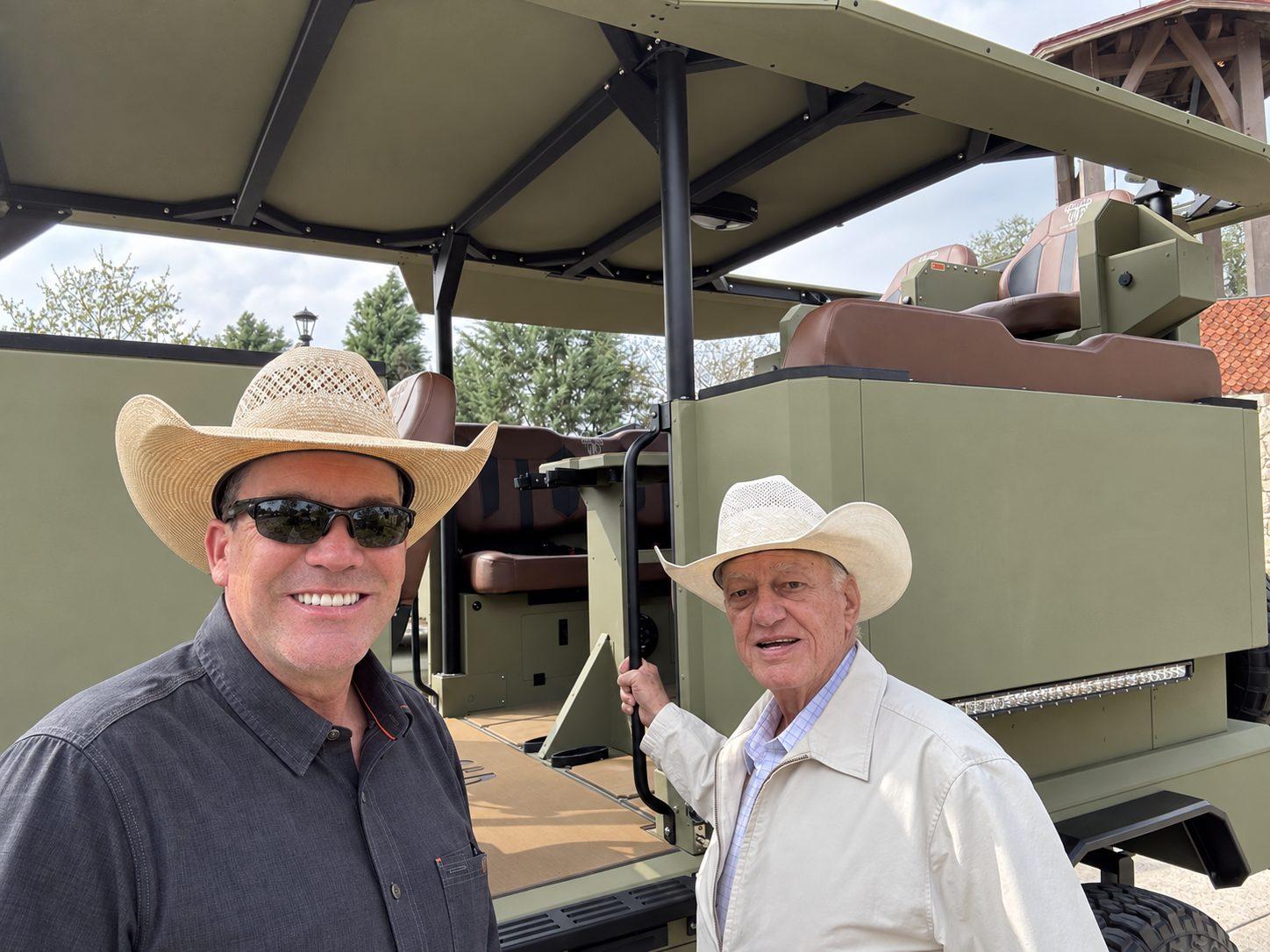
Sam and his son Charlie
Questions Texas landowners ask about ranch appraisal
How far away can a comparable sale be for a ranch appraisal?
For a large ranch, seventy-five miles or more. Sam Middleton says a residential appraiser might work within a five-block radius, while a 20,000-acre ranch may draw its comparable sales from a 75-mile radius, because ranches sell rarely and a single county may not produce a usable open-market sale in a year.
How much does an undivided interest reduce the value of a ranch?
About thirty-five to forty percent, in Sam Middleton’s files. An undivided interest is a share of the whole ranch rather than a fenced-off piece of it, and he cites roughly thirty sales of such shares showing that discount, so a ranch worth $1,000 an acre as a whole may be worth around $600 an acre as a fractional share. That is why families gift small interests during the owner’s lifetime.
Does a conservation easement lower what a Texas ranch is worth?
Usually, by thirty to fifty percent in Sam Middleton’s experience, depending on the restrictions in the easement. He names two exceptions where buyers accept easements with little discount: Gulf Coast beachfront and ranches in the Davis Mountains.
How much has Texas ranch land appreciated?
About six to six and a half percent a year since the 1960s, according to Sam Middleton, citing the Texas Real Estate Research Center’s long-running land value series. Values softened in the 1980s and in 2008, and some areas rose as much as forty percent in a single year after the pandemic before demand cooled.
More on Taxes & Ag Valuation
See all
Ross & Shoalmire, P.L.L.C.
Ross & Shoalmire, P.L.L.C. is a Texas experts firm serving ranch and farm clients, based in Texarkana.

Catherine L. Ozment, CPA PLLC
Catherine L. Ozment, CPA PLLC is a Texas experts firm serving ranch and farm clients, based in Victoria.

Maverick Bank
Maverick Bank is a ag lender business serving Texas ranch and farm operations in the Alpine area.
Explore beyond the story
Browse listings, find businesses, or save this article for later.
 Listings
 Directory
Get the Newsletter
One reported story on Texas land, delivered free every month.
By signing up, you agree to receive emails from TexasRanches. We never sell your address, and you can unsubscribe anytime.