

What Your Texas Ranch Is Worth, and How an Appraiser Decides, Part 1
The Appraiser’s Eye: fifty years of putting a price on Texas land, from a Lubbock appraiser who has done it since 1971
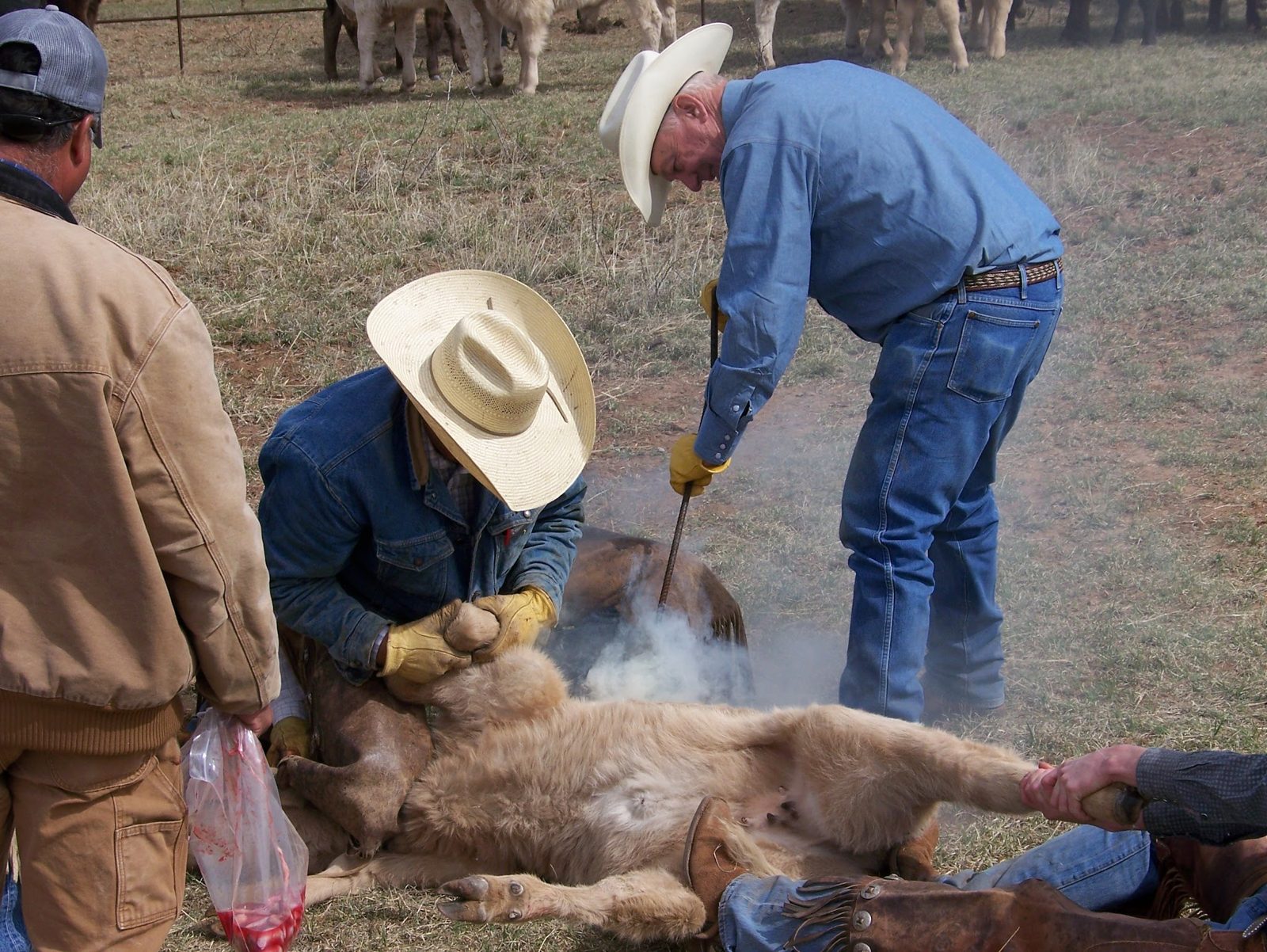
The value of a Texas ranch is built, not looked up. A rural appraiser starts with comparable sales, sometimes seventy-five miles out, and adjusts each one for time, size, water and improvements. Sam Middleton, a third-generation ranch appraiser in Lubbock, walks through how that number comes together and why the figure a neighbor’s sale puts in your head is rarely the one that holds up.
In 1920, Charles Middleton was a Lubbock cattle trader, buying and selling cattle and shipping them to the feeders of the Corn Belt. He began selling ranches because the cattle business put him in touch with everyone who owned one. When a rancher he bought from was ready to sell, and a buyer he knew was looking, Charles was the man who knew them both. His son turned selling ranches into a business. Sam, the grandson, went to work with his father in 1971 and, besides selling ranches, became interested in appraising them. Today Sam’s son, Charlie, has joined him in the business.
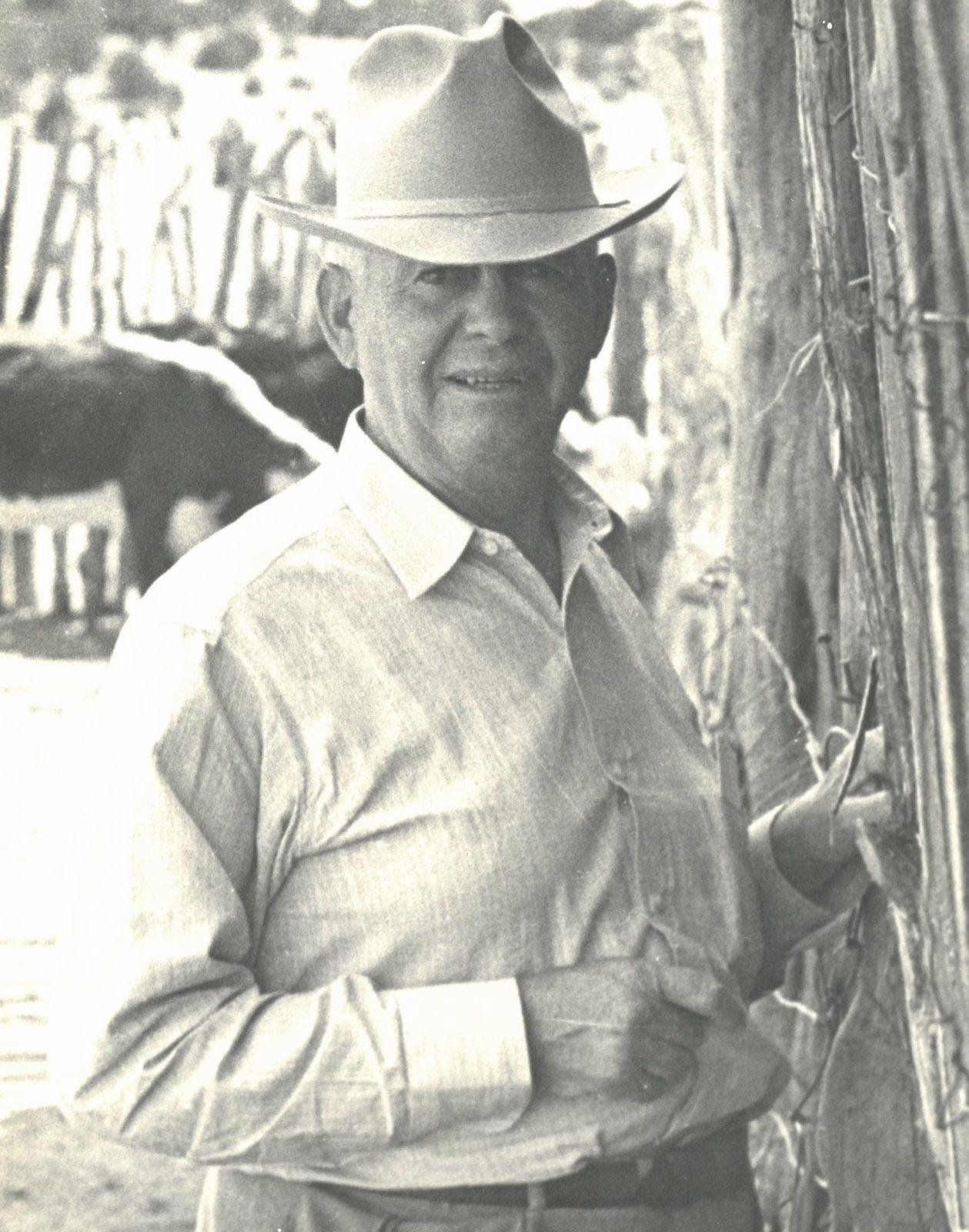
Charles Middleton
In the early years, a bank that wanted to extend a loan on a ranch asked Sam’s father for a letter. One page was enough: “Based on my years of experience in selling ranches, I think this ranch is worth fifteen dollars an acre.” That was the appraisal.
By the time Sam brokered the sale of the Four Sixes Ranch in January 2022, the letter had become a report thick enough to stand up in a tax court, and the country it described had changed almost as much as the paperwork.
Nobody accepts the letter anymore.
How Texas Ranch Value Moved from Cattle to Recreation
Sam says he came into an established business, and he means more than the name on the door. He had been following his father around ranches since he was a boy, and the trade he learned in the truck was a simple one. The buyers were ranchers. A place was worth what it would carry: the number of cows its grass and water could support, year in and year out, and not much else.
“Everything was based on the animal unit cost,” Sam says of the 1970s and 80s. The things a modern buyer pays for were, to that market, defects. Trees took up grass. Brush hid cattle.
“A place that had a lot of tree cover on it, my dad never adjusted to that market. He’d say, ‘Oh, that place is covered up in trees.’ And I said, ‘Yeah, but it’s got deer on it, Daddy.’ He never got that concept. We were selling ranches to ranchers.”
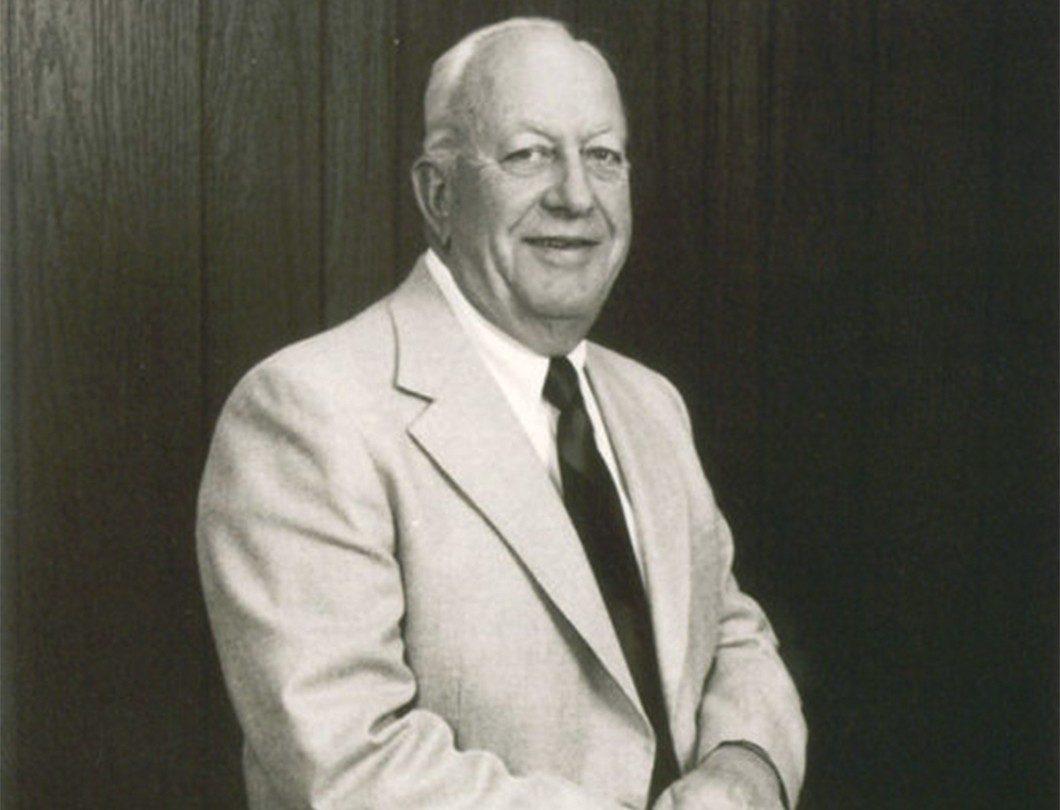
Lee Middleton, Sam’s father
The market moved anyway. Recreation buyers came for cover, water and game, and paid for the things the old market had discounted. The ranchers who still buy for cattle, Sam says, now mostly buy in New Mexico and eastern Colorado, where deeded land comes with government grazing leases and a cattleman can still pay the price per cow.
The animal unit did not disappear. It stopped being the number that sold the ranch.
How a Ranch Appraiser Finds Comparable Sales
The one-page appraisal died for two reasons. Buyers and lenders began to want the reasoning behind the number. Then the farm recession of the 1980s moved Congress to regulate the appraisers who had signed off on the collateral, and state certification arrived in 1989.
Sam is certified in Texas, New Mexico and Colorado and holds the Accredited Rural Appraiser designation. The firm has fifteen broker associates and five appraisers, and the appraisers work on farms, ranches and feedyards, nothing else.
The reasoning starts with distance. “Where a residential appraiser might look for sales within a five-block radius of that house, if I’m doing a 20,000-acre ranch, my sales may be in a 75-mile radius of that property.”
Ranches do not sell often. In a given county, a year might produce a handful of sales, and not every sale counts as a comparable, or comp, the appraiser’s word for a sale that can fairly be measured against the ranch in question. A place passed between family members or sold to the neighbor at a friendly price tells an appraiser very little. So he goes as far as he has to for evidence.
Each comparable sale is then adjusted toward the ranch being valued one factor at a time:
Time: how the market has moved since the sale closed.
Size: a smaller ranch usually brings a slight premium per acre over a much larger one, though a buyer will sometimes pay extra for a very large ranch that comes blocked up in one piece rather than assembled over years.
Improvements: what the houses, pens and water systems contribute, which is rarely what they cost.
Land quality and soils.
Water and recreation: wells, tanks, live water, cover and game.
At the end there is a range, and the range is where the judgment lives. “Say your sales ended up ranging from $1,800 an acre to $2,100. You don’t just average that. You discuss those sales and say, sale number three and number five are most comparable to the subject, and for that reason I’m going to appraise the property at $2,000 an acre.”
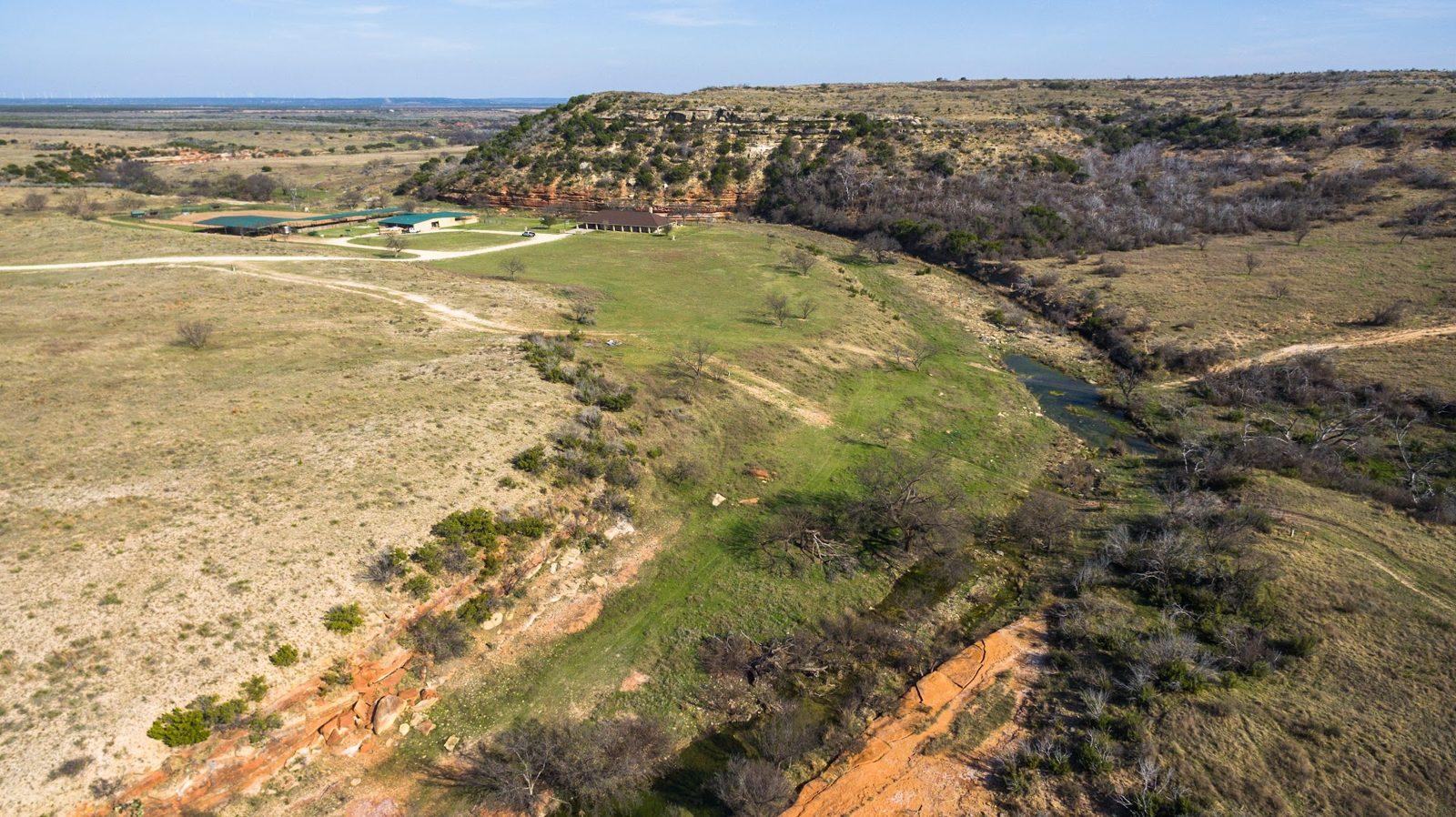
Eagle Creek Ranch
Finding and checking those sales is faster now than it was in the 1980s. The soil surveys Sam once looked up in printed county books are online, and mapping software now lays pipelines and power lines over the aerial photographs, so an appraiser can see what a sale property had before he ever drives to it. What the software cannot do is decide which two sales matter most. That judgment is the same one his father and grandfather made.
What Water Does to Texas Land Value
A Lubbock doctor once bought a few hundred acres east of town and rode along while Sam appraised it for the bank. Driving the pasture, the doctor pointed to where he wanted the house and where he wanted the well.
Sam had done a great deal of work in that country. “I said, ‘Doctor, have you researched the water situation here? There are not any water wells in the general area of this property. You’re likely not going to be able to get well water.’ And he said, ‘I thought all you had to do was drill a well, there was water everywhere.’”
Water enters an appraisal in three ways.
Whether it can be had at all.
What quality it is when you get it.
What it does for the buyer above ground.
In much of West Texas, the well water is salty or heavy with minerals. “Gyppy” is the local word for it. Reverse osmosis can fix it, but at a cost that finds its way into the value. The third kind of water is the one buyers ask about first. “Buyers today want properties that have nice earthen ponds on them for fishing, springs, creeks. All of that adds to value.”

The water that adds value can also disappear. Springs Sam has known for decades have quit in the current drought. On the South Plains around Lubbock, irrigation wells that pumped a thousand gallons a minute in his father’s day now pump two hundred from the same fields, and he does not know what the Ogallala Aquifer will look like in twenty-five years.
The concern is regional. In East Texas, where forty inches of rain fall in a year, water is one question among several. In West Texas, Sam says, it is the question.
An appraiser prices what is on the land and what is under it, and in Sam’s part of the state the second number is getting smaller.
Where a Landowner’s Number Comes From
The firm’s appraisal page says its value estimates rest on market data rather than rules of thumb. The rule of thumb Sam hears most often is not a formula. It is a feeling, and he understands it.
“Every landowner has a sentimental attachment to the property, and they think theirs is the benchmark for the area. They’ll hear about a ranch that sold for $2,500 an acre. But maybe the cow herd was included. Maybe the equipment was included. You’ve got to find out what made it bring that price.”
The Four Sixes and the W.T. Waggoner Estate, both sales Sam brokered, follow him into ordinary kitchens. “They say, ‘Well, you sold the Four Sixes and it brought this much, so I want this much.’ The Four Sixes was a pristine property.” The work from there is showing the family what their own country has been bringing, sale by sale.
Most of what he sells is nothing like the famous places. A family takes stock: the brush is bad, the fences are bad, the water system needs replacing. They can spend a million dollars, or they can call Sam. “A lot of my sales are what I’d call used ranches.” The deferred work shows up in the comparable sales whether the family sees it or not.
The appraiser’s job is to put the neighbor’s sale and the family’s own place on the same page.
Continued in Part 2: how data centers, undivided interests and conservation easements change what a Texas ranch is worth, and what ranch land has returned since the 1960s.
More on Taxes & Ag Valuation
See all
Ross & Shoalmire, P.L.L.C.
Ross & Shoalmire, P.L.L.C. is a Texas experts firm serving ranch and farm clients, based in Texarkana.

Catherine L. Ozment, CPA PLLC
Catherine L. Ozment, CPA PLLC is a Texas experts firm serving ranch and farm clients, based in Victoria.

Maverick Bank
Maverick Bank is a ag lender business serving Texas ranch and farm operations in the Alpine area.
Explore beyond the story
Browse listings, find businesses, or save this article for later.
 Listings
 Directory
Get the Newsletter
One reported story on Texas land, delivered free every month.
By signing up, you agree to receive emails from TexasRanches. We never sell your address, and you can unsubscribe anytime.