

What a Working Ranch Can Earn From a Film Crew
A new state incentive is sending film crews to Texas ranches. Here's what it takes to host one.
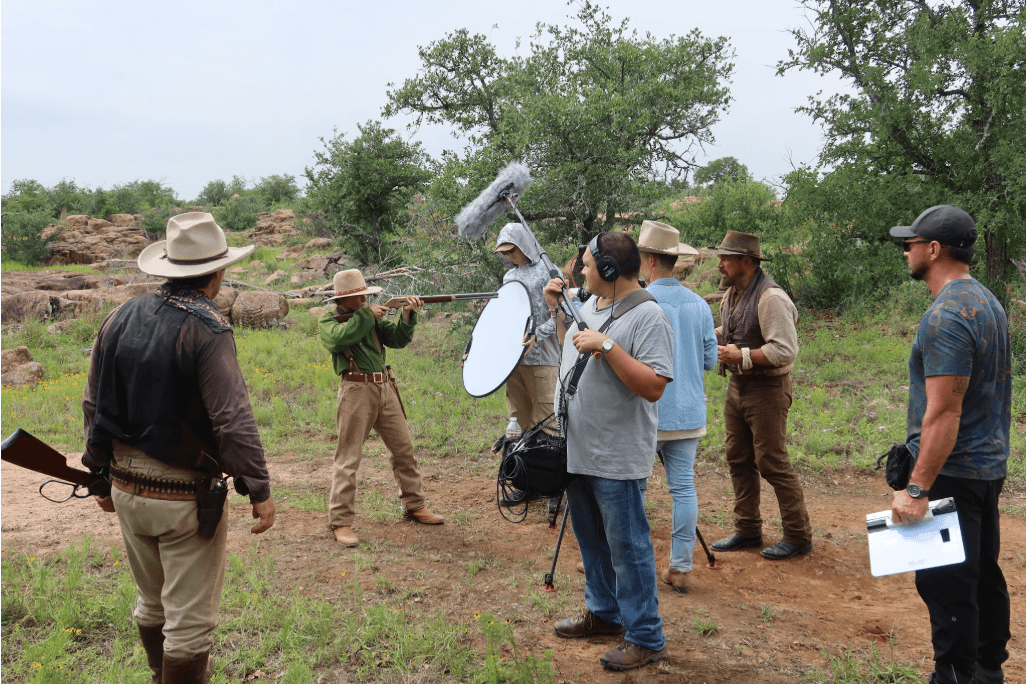
Eric Heisner's son Augie dug a mine on the family ranch in Llano County. It sits near a stagecoach station, a blacksmith livery, and an adobe barn: sets Heisner built by hand from salvaged lumber and a few years of weekends.
None of it was built for one specific movie. Heisner's logic was closer to Field of Dreams: build it, and eventually something would show up. He was already planning to film something there himself.
Heisner and his wife Amber bought the ranch, Rancho Castellano, in 2020: two creeks, granite outcrops, and a 1952 Jeep Willys the kids still drive around on weekends. Water, power, upkeep, and property taxes come due whether anyone's out there this month or not. Then the Texas Film Commission listed the property, and a production called.
What hosting a production actually looks like, small scale to legendary
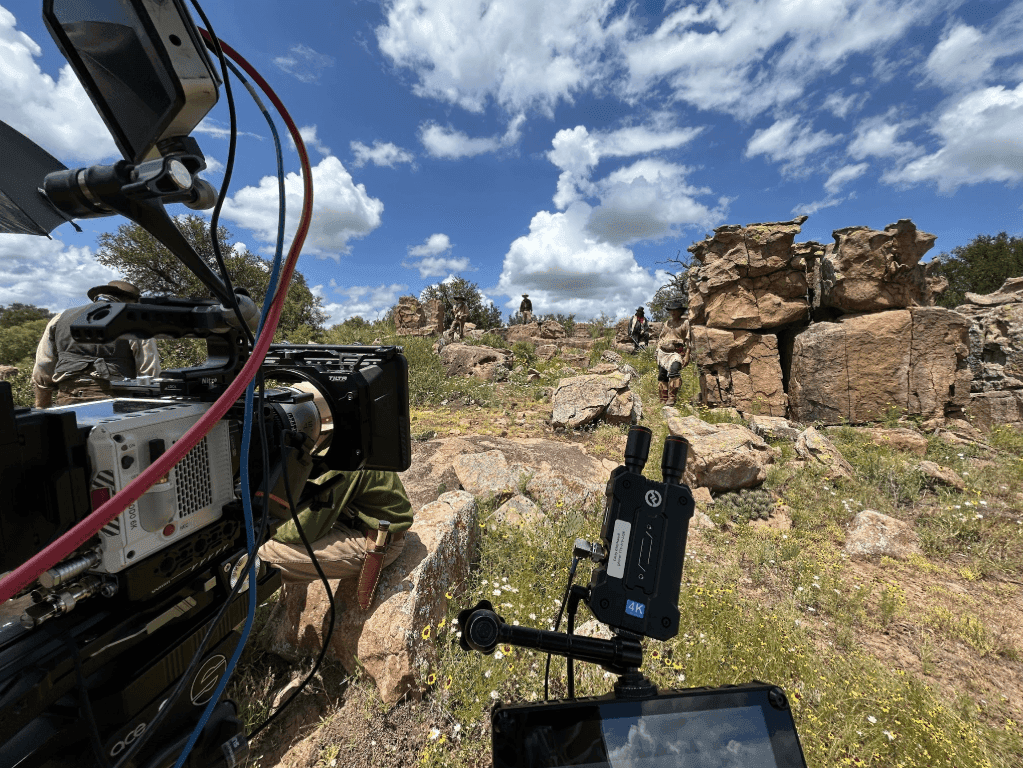
Rancho Castellano's first paid production was a UT Austin student crew: four overnight shoots that Heisner still describes as easy, professional, and paid on time.
The bigger test came in June 2026, when the feature Western Lonesome are the Wicked filmed there for twelve days. The production used the miner's shack, the adobe barn, the stagecoach station, and the blacksmith livery, along with creek and rock outcropping spots across the ranch. The mine sat this one out.
The income from those productions goes toward things the ranch needed anyway: erosion control, brush clearing, and a Fredericksburg-style log cabin currently under construction. Family use still comes first. The productions fit around it, not the other way around.
Scale up dramatically and the same basic idea holds. The 6666 Ranch in King County, 260,000 acres running under the historic 6666 brand, hosted the Yellowstone prequel 1883. Local news coverage of the shoot reported a cast and crew of roughly 600 people, large enough that about 120 crew members lived in RVs in nearby Guthrie for the duration.
Alamo Village is the version of this story that played out over decades instead of days. Brackettville rancher James "Happy" Shahan got Paramount to film there in 1951.
That first deal led to something bigger: John Wayne's production company spent roughly $12 million building a full-scale Alamo and San Antonio de Béxar set on Shahan's land for The Alamo (1960). Shahan kept the sets afterward.
He ran them as a tourist draw for decades, drawing productions from Bandolero! to Lonesome Dove along with restaurants, a museum, and horseback rides. The site closed permanently in 2010.
Heisner filmed there himself in 2007: a Western pilot called Friend of the Devil, one of the last productions to shoot at Alamo Village before it closed. He worked directly with Shahan's widow, Virginia, and their daughter, Tulisha, both of whom have since passed; the family has closed the site for good, and the sets have fallen into disrepair.
That experience is part of what pushed Heisner to build functioning sets of his own. Rancho Castellano, in his own words, has some big bootprints to follow.
Why more location scouts are calling Texas ranches right now
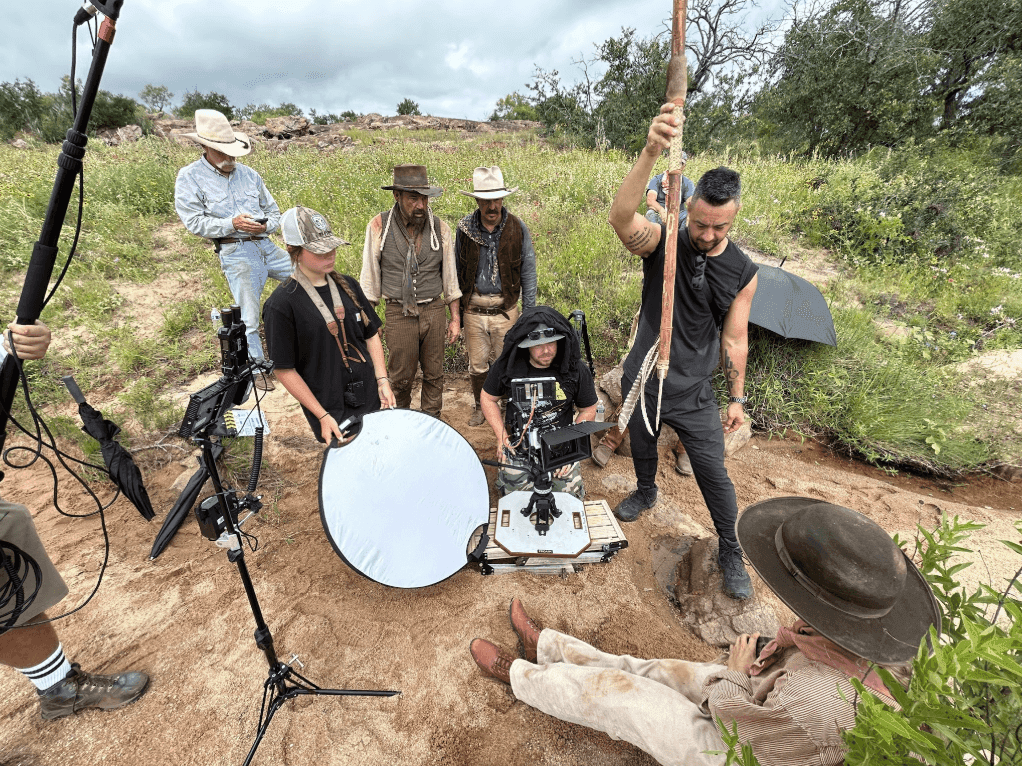
Some of the new interest traces back to a program most landowners have never heard of. The Texas Moving Image Industry Incentive Program, authorized under Senate Bill 22 and in effect since September 1, 2025, committed $1.5 billion to Texas film and television production over ten years, paid out as a direct cash rebate rather than a tax credit.
The base rebate scales with how much a production spends in the state:
5 percent on Texas spend between roughly $250,000 and $1 million
10 percent between $1 million and $1.5 million
25 percent above $1.5 million
Productions can add bonus percentages for things like filming in rural counties or hiring Texas veterans, with the combined total capped at 31 percent. To qualify, at least 35 percent of paid cast and crew must be Texas residents, and 60 percent of the production has to happen in Texas.
That structure rewards exactly the kind of production Heisner's ranch hosts: smaller, Texas-based, and looking for land that doesn't exist on a studio backlot.
What to put in place so you can say yes with confidence
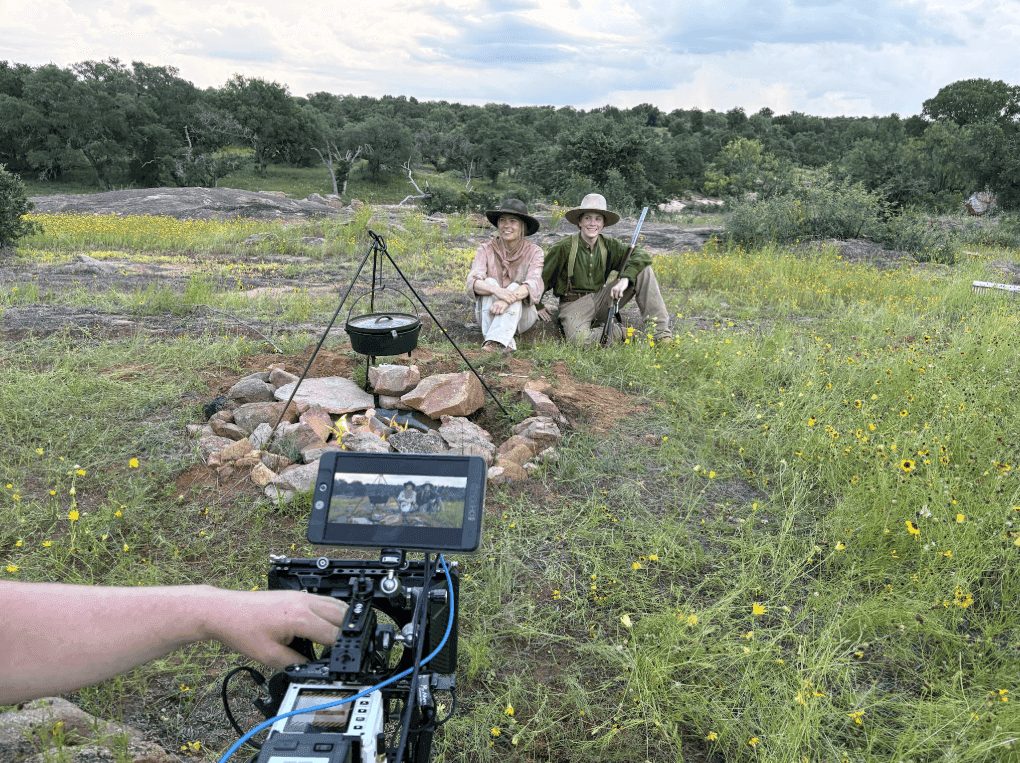
None of this requires a lawyer on retainer or a second mortgage, but it does mean having a ranch attorney review the paperwork once, upfront.
Heisner has an attorney look over every waiver and contract before it's signed, then reuses that same paperwork with minor changes on each new production. Here's what to have in place before the first truck shows up:
A written location agreement, spelling out dates, rate, and terms. The Texas Film Commission's own guidance to property owners is direct: there is no industry standard for location fees, so nothing should be assumed and nothing should stay verbal.
A certificate of insurance naming the landowner as an additional insured. Production insurance isn't legally required on private land, but most productions already carry commercial general liability coverage, commonly in the range of $500,000 to $1 million per occurrence.
An LLC, which is how Heisner runs every outside production, keeping the business separate from his personal assets.
Answers to the practical questions first: water and power at the site, parking for a crew of forty to fifty, bathrooms for a multi-day shoot, and, for longer productions, a dumpster and RV hookups.
Signage and a waiver, especially if anything on the ranch involves horses, off-road vehicles, or creek access. Texas' Recreational Use Statute, which limits landowner liability for hunters and hikers, does not extend to a commercial crew. The Farm Animal Liability Act does offer protection for activities like horseback riding, but only if a specific warning sign is posted where the activity happens and the same language appears in any written contract.
Heisner's take, after a few productions: the first one is the hardest to set up. Once the checklist exists, the next one is a lot easier to say yes to.

Where TexasRanches.com fits
TexasRanches.com keeps ranches like Rancho Castellano in its network for exactly this reason. When a landowner in our community is deciding whether to open their gates to a production, we can connect them with someone who has already built the checklist and signed the leases.
If a location scout has called about your ranch, reach out to TexasRanches.com before you sign anything. We'll connect you with people in our network, starting with Heisner himself, who can walk through what the lease, the insurance, and the signage should say before the first truck rolls up your driveway.

Explore beyond the story
Browse listings, find businesses, or save this article for later.
 Listings
 Directory
Get the Newsletter
One reported story on Texas land, delivered free every month.
By signing up, you agree to receive emails from Texas Ranches. We never sell your address, and you can unsubscribe anytime.