

The Well You Have and the Well You Want
A landowner's guide to well maintenance, new drills, and the records that back them up.
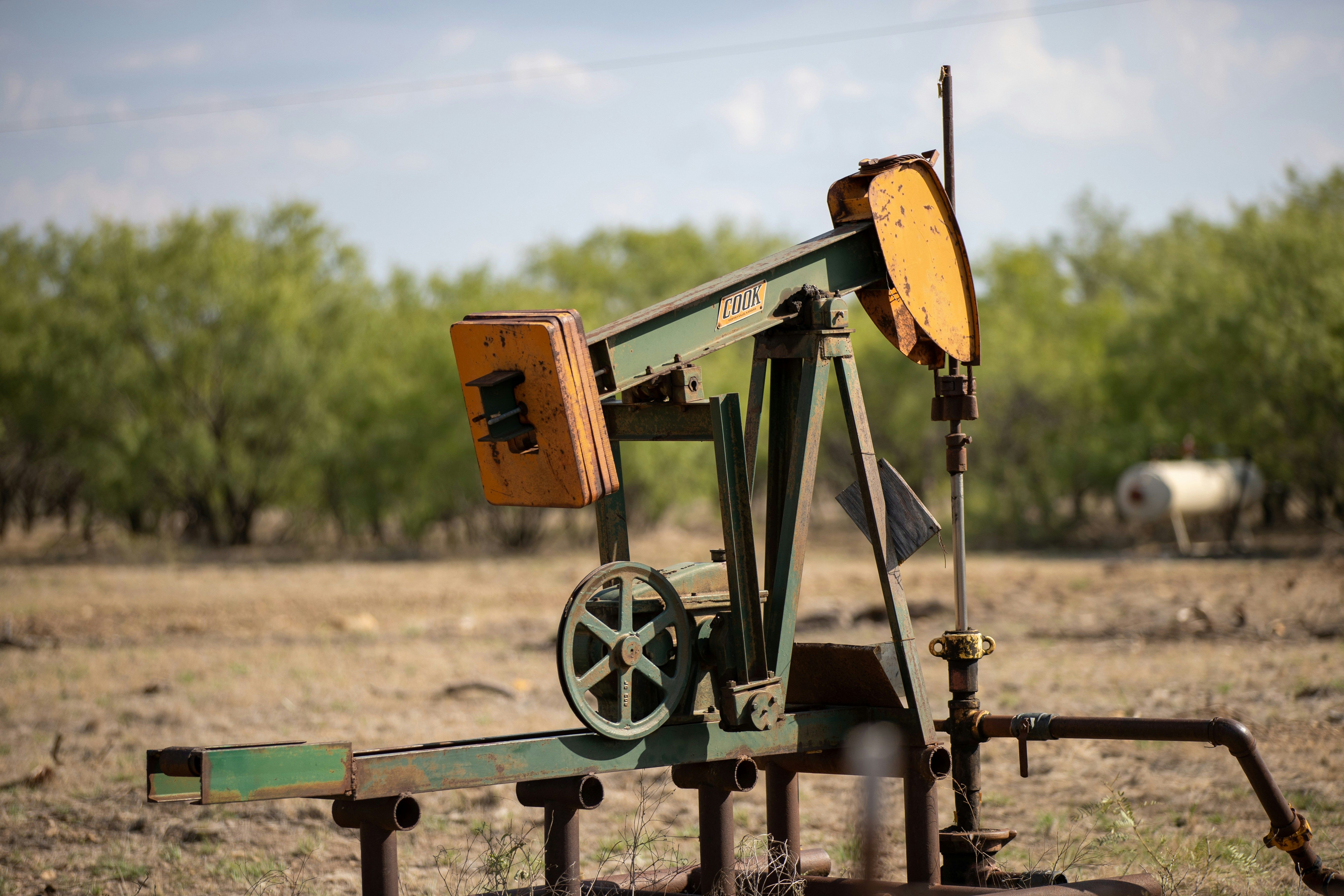
A Hill Country well gives its warnings quietly, and each one is easy to explain away until the afternoon the water stops:
A faucet that spits air
Pressure that wanders
Sand or cloudiness in a glass that ran clear last month
A pump that hums along when nothing is drawing water
An electric bill climbing with no change in use
The log from the year the well was drilled sits in an archive, the casing has not been looked at since, and for a lot of owners the first hard look at any of it comes the day the problem stops being quiet. This month is a good time to take that look, whether you are maintaining the well you have or planning the one you want.
The Headwaters Groundwater Conservation District (HGCD) measures water levels in 54 monitor wells across Kerr County every month: 42 in the Trinity and Ellenberger, 12 in the Edwards. Monica Thibodeaux, the district's general manager, has watched those numbers travel from record lows in 2023 to something new this June: the district average rose above its Stage 2 drought trigger for the first time in about three years. Stage 3 remains in effect for Kerr County while the District monitors conditions. One thing the recovery is not: a product of the floods.
The district's own conservation plan notes that flood runoff moves too fast across the land to soak in; an aquifer recovers on slower, steadier rain. The recovery underground is the quieter water story in a county that has lived through the other kind, and it carries a practical point for well owners that is easy to miss.
The well you have
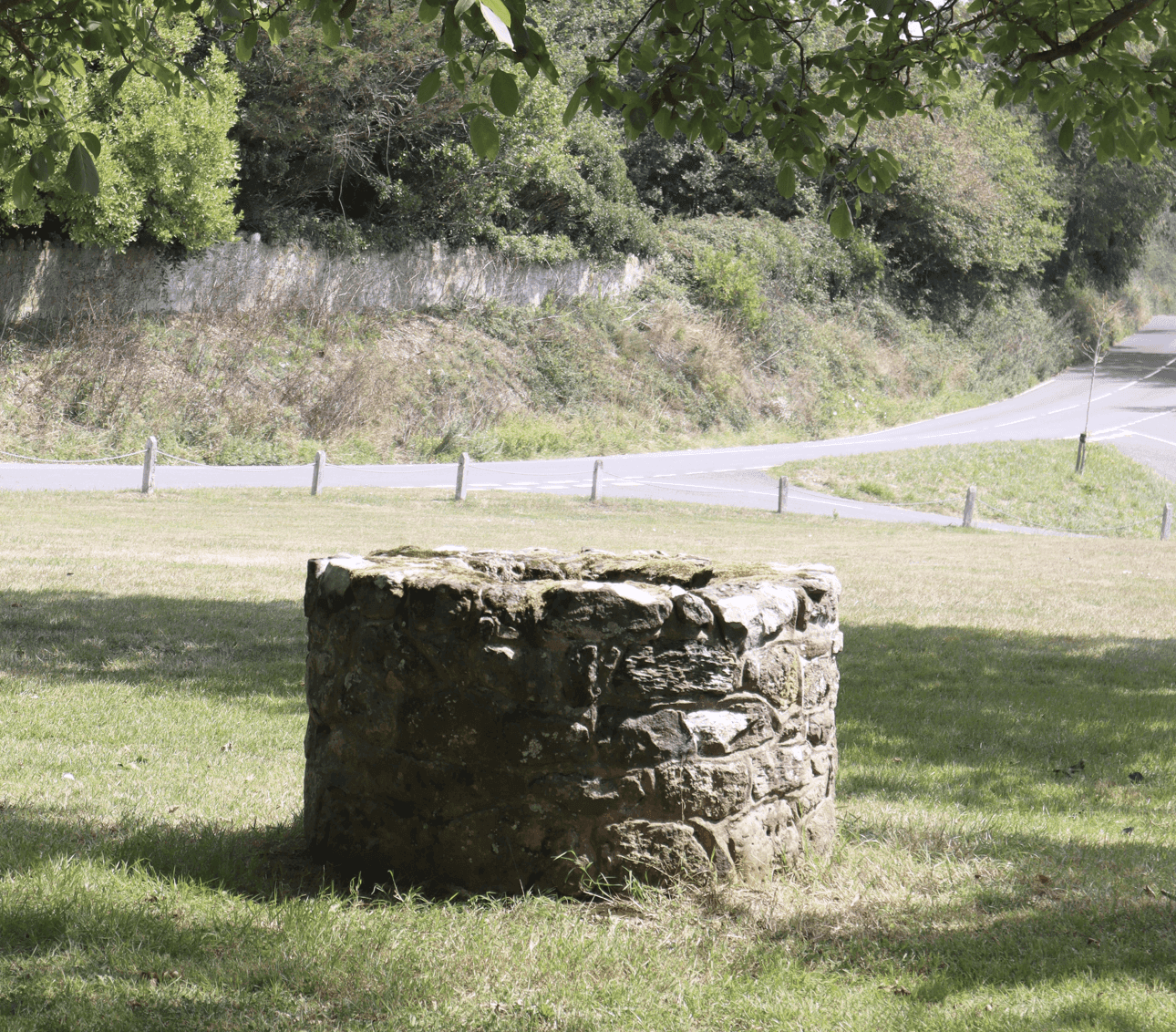
Rising water and increased rain sound like unqualified good news, and for a pump they mostly are: a pump lifts water from the top of the water column to the surface, so a higher level means less work. The serious case runs the other way. A declining level makes the pump lift farther and work harder, and that strain can burn a pump out; a quiet climb in the electric bill is often the first sign.
The recovery does leave one task worth scheduling. Some owners dropped their pumps below the casing during the drought years to chase the water down, and Thibodeaux's guidance, checked with a pump installer, is that if rising levels allow it, having the pump raised back up into the casing is worth doing. Questions about pumps and water levels in general belong with an installer, not the district.
An installer can measure your well's level directly, and Thibodeaux suggests having them set a one-inch poly line inside the well while they are there; it lets a gauge go down anytime afterward without tangling the pump, and a landowner with their own means to measure can use it without calling anyone.
The other half of maintenance is paper. A log from 20 years ago may not reflect today's casing condition or water level. Your well's records live with the district, and registration is what creates that file under your name. It is required under HGCD's rules, and it works for you three ways:
Your drilling log, water quality analysis, and well history are on record, provided those records exist, and the district shares them with anyone who asks
In most cases, a registered well that goes dry can be replaced in kind without a new fee
For older wells with thin paperwork, the district reconstructs what it can from Texas Water Development Board online archives
One caution on the district's public numbers. The drought index comes from a set of wells that exist only for measurement; nobody pumps from them, so they give a clean read on the Middle and Lower Trinity across the county as a whole. That is what they measure: the county, not your well. Conditions vary too much from tract to tract to read your situation off a county average. The only number that belongs to your well is a measurement taken in it.
The well you want
Drilling starts with a choice you may not know you are making: which aquifer is under your land, and why does it matter?
Edwards Aquifer: generally 100 to 200 feet deep across the county, recharges quickly after rain, notably cleaner water at 100 to 200 parts per million of dissolved solids
Trinity Aquifer: generally 400 to 800 feet deep, costs more to drill, recharges slowly, and averages 500 to 700 parts per million with calcium, iron, and sulfates; some wells run higher
For scale, treated public water usually runs 350 to 500 parts per million. Location decides what you are drilling into. In western Kerr County the Edwards sits over a single Middle Trinity layer. In eastern Kerr County the Edwards is available only in some of the higher northern areas, and the Trinity divides into three confined layers: the Upper Trinity, which is not potable because of its gypsum content, the Middle, and the Lower. The Lower Trinity is dense rock with modest yields, enough for an exempt well's demands but not for a high-capacity permitted well. Thibodeaux describes a public water system that could not pull 25 gallons a minute from a Lower Trinity well in eastern Kerr County; the re-drill into the Middle Trinity produced over 100.
The district can tell you before the rig arrives which aquifers sit under your tract, what levels are doing in your area, and any known quirks in nearby wells; local drillers know this ground well too, and most quote new wells upfront. New dry holes are rare. The point of asking early is not fear of an empty hole; it is drilling the right well, to the right depth, into the right rock, the first time.
The paperwork question comes next. A well is exempt from permitting only if all three statutory conditions hold:
Used solely for domestic, livestock, or poultry purposes
Located on a tract larger than 10 acres
Physically incapable of producing more than 25,000 gallons a day
Exempt or permitted, the district is part of every new well. Even an exempt well goes through an approval process before drilling: property-line and septic setback requirements that protect against contamination and interference from other wells, and a one-time fee that includes a water quality analysis from an accredited lab, shared with the owner. A permitted well runs a more involved process before approval to drill is released. And if you are buying rather than drilling: groundwater rights can be severed from the surface the way minerals are, a buyer without them has no right to drill, and permits do not transfer automatically at a sale. The new owner moves the permit into their name, and the district takes the new owner's needs into consideration for the permit.
What the law does and does not do for you
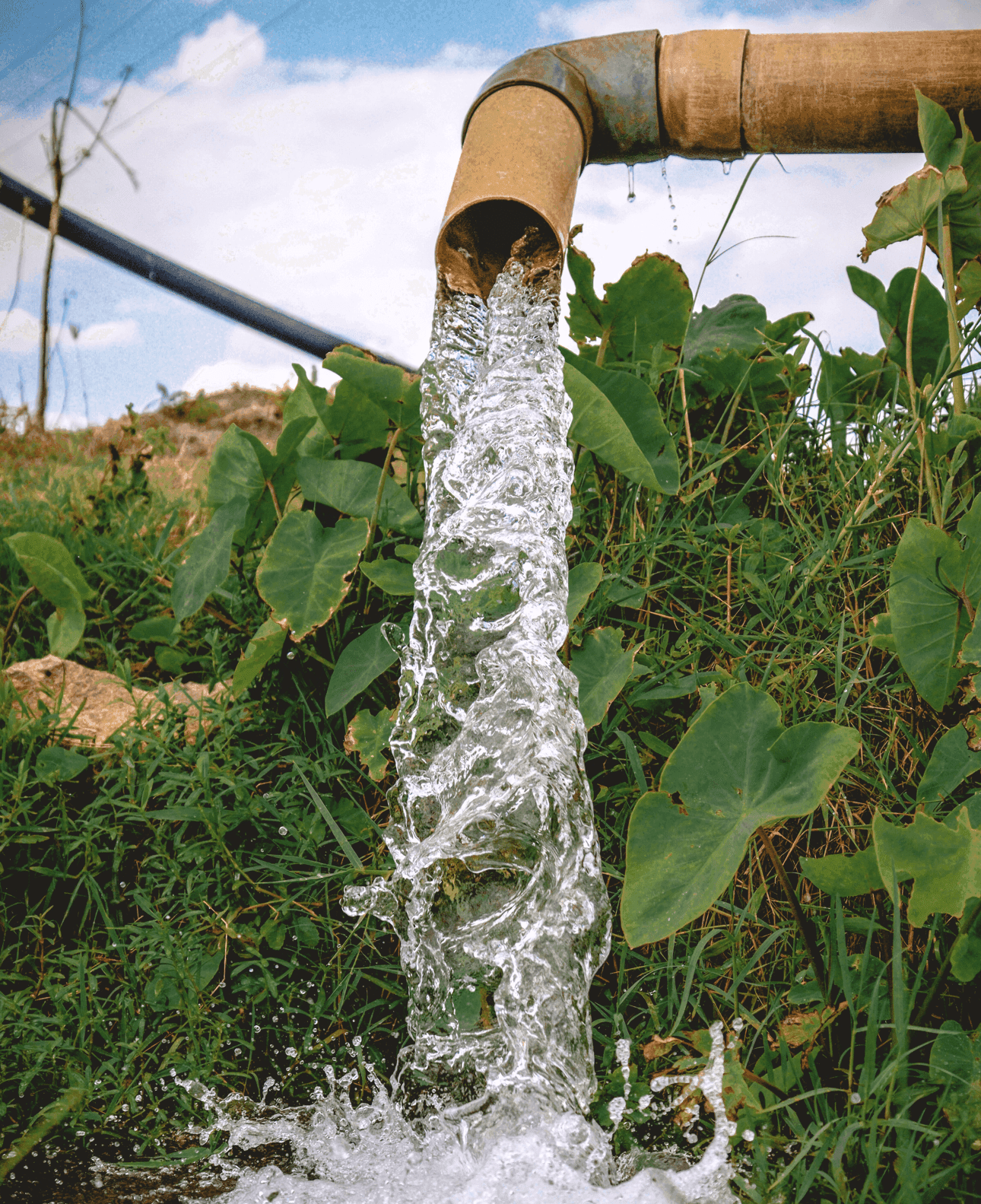
Underneath all of it sits Texas groundwater law. Water in place is private property, confirmed by a 2012 Texas Supreme Court decision, and the rule of capture is the default where no groundwater conservation district maintains jurisdiction: pump what you can put to beneficial use, whatever it does to the wells nearby. HGCD's rules govern permitted wells inside the district.
Wells that meet all of the exemption's required conditions are statutorily exempt from production regulation, which means a neighbor's exempt well can lower the water you share, legally, with no recourse, even here. Your protection is not a fence. It is knowing your well's status, your records, and your rock.
Whether the well is twenty years old or still on paper, five questions to the district cover most of it:
Which aquifers are under this tract, and what are levels doing in this part of the county?
What records do you hold on the existing well: log, water quality analysis, history?
Is the well registered, and is the registration in the current owner's name?
Does my intended use fit the exemption, or does it need a permit?
Are there known quirks, yield or quality, in wells near this one?
None of this requires a crisis to be worth doing, and none of it costs much against the alternative. The best month to look after a well is one when nothing is wrong with your water.
HGCD, Kerrville: 830-896-4110 or hgcd.org. One call, before you need it.

References
Clean Water Store. (n.d.). Top 7 warning signs your water well is in trouble. Retrieved July 24, 2026, from https://www.cleanwaterstore.com/blog/top-7-warning-signs-your-water-well-is-in-trouble/
Edwards Aquifer Authority v. Day, 369 S.W.3d 814 (Tex. 2012).
Headwaters Groundwater Conservation District. (2025). Conservation plan 2025. https://www.hgcd.org/_files/ugd/dadc16_45a6e708abf647a0b59f48283042c57c.pdf
Headwaters Groundwater Conservation District. (n.d.). Drought information. Retrieved July 24, 2026, from https://www.hgcd.org/drought-information
SC Well Service. (n.d.). How to tell if your well pump is bad: 12 warning signs. Retrieved July 24, 2026, from https://scwellservice.com/blog/how-to-tell-if-well-pump-is-bad.html
Tex. Water Code § 36.117. https://statutes.capitol.texas.gov/Docs/WA/htm/WA.36.htm
TLC Well Service. (n.d.). How to identify a failing well before it stops working. Retrieved July 24, 2026, from https://tlcwellservice.com/how-to-identify-a-failing-well-before-it-stops-working/
The Well Guide. (n.d.). Signs your well pump is failing: 8 warning signs and what to do. Retrieved July 24, 2026, from https://www.thewell.guide/problems/well-pump-failing
Per APA style, interviews are personal communications and do not appear in the reference list. Material attributed to Monica Thibodeaux derives from M. Thibodeaux, personal communication, July 23 and July 28-29, 2026.

Good ranchers know we don't do this alone. This is a place to discuss everything from legacy planning, herd management, and land stewardship to innovative revenue models shaping the next generation of ranching in Texas.
Continue the Conversation on the Forum
Join the discussion with Texas landowners, ranchers, and experts.
New to TXR? Create a free account to join the conversation.
Explore beyond the story
Browse listings, find businesses, or save this article for later.
 Listings
 Directory
Get the Newsletter
One reported story on Texas land, delivered free every month.
By signing up, you agree to receive emails from Texas Ranches. We never sell your address, and you can unsubscribe anytime.