

The Ranch That Paid for the Texas Capitol
Texas needed a new statehouse. It paid for it with three million acres of the Panhandle.
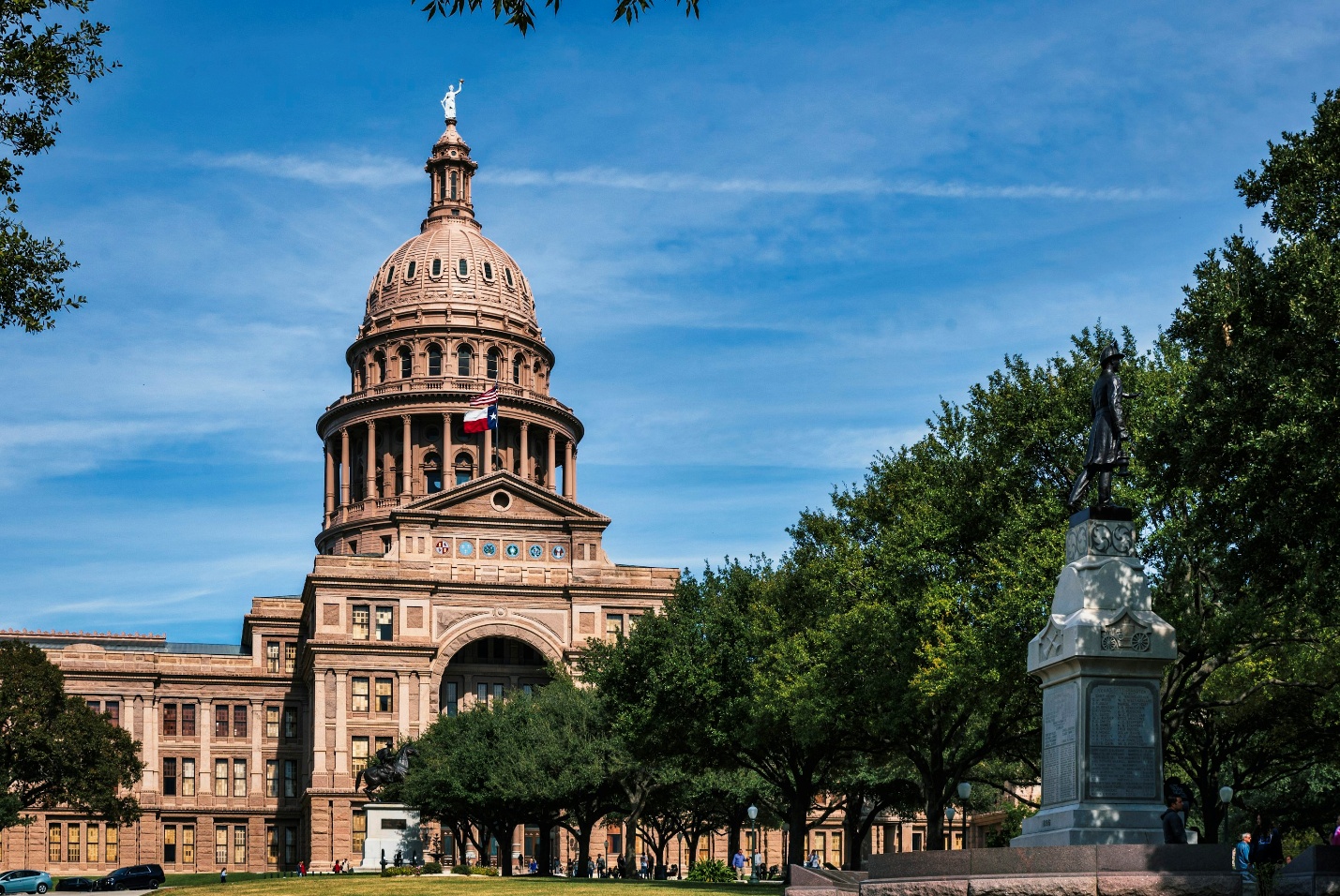
On November 9, 1881, fire destroyed the Texas Capitol in Austin. The state already had a plan for a new one, and the payment was going to be land.
Three million acres of it, in the far western Panhandle. The deal would put up the building that still stands in Austin today. It would also create a ranch that ran more than 200 miles along the New Mexico line. Neither half turned out the way anyone planned.
Land for a building
The Constitution of 1876 set aside three million acres of Panhandle land to pay for a new capitol. The legislature appropriated it in 1879. The tract ran 220 miles north to south along the New Mexico border and covered parts of ten counties: Dallam, Hartley, Oldham, Deaf Smith, Parmer, Castro, Bailey, Lamb, Cochran, and Hockley.
The contract was awarded in early 1882. It went to a group of Illinois businessmen who became known as the Capitol Syndicate: Charles B. Farwell, John V. Farwell, Amos C. Babcock, and Abner Taylor. They would build the Capitol. In return, they would get the land.

Six years of building
Construction ran from 1882 to 1888, and it did not go smoothly. In 1886, after labor trouble on the job, a subcontractor brought in granite cutters from Scotland. That broke the federal Contract Labor Act of 1885 and set off a union boycott of the project.
The syndicate now owned three million acres of grass. They had no plans to keep it.
Investors who became cattlemen
The Farwells and their partners wanted to settle the land, cut it into pieces, and sell it off over time. Selling that much open Panhandle country would take years. Until then, cattle could make the land pay.
They needed money to stock it. In late 1884, John Farwell went to London and formed the Capitol Freehold Land and Investment Company. British investors, including the Earl of Aberdeen, put up roughly $5 million.
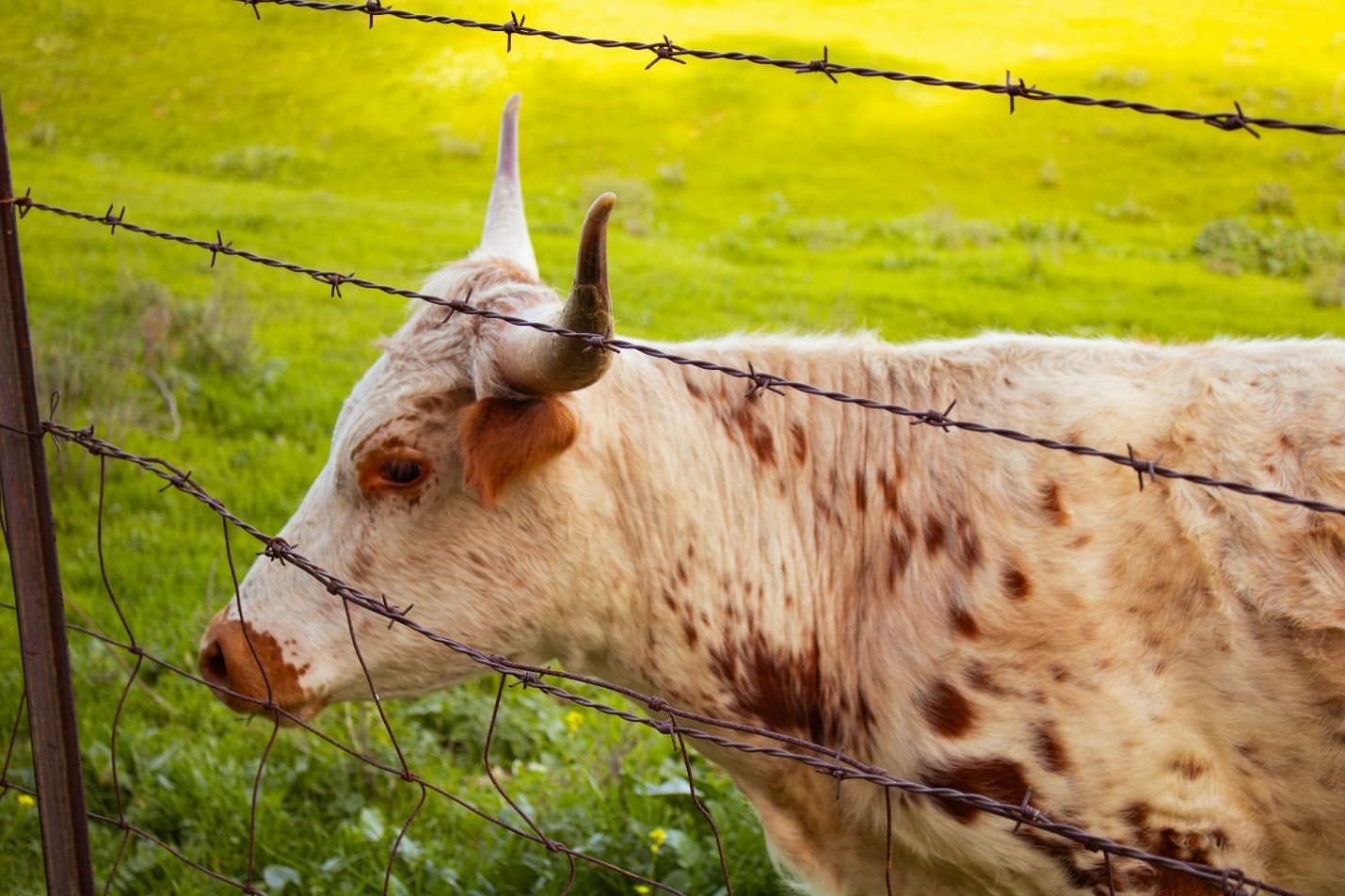
The first 2,500 head arrived on July 1, 1885. By November 1886, the ranch carried 110,721 cattle valued at $1,322,587. At its peak, it averaged about 150,000 head.
The brand was XIT, devised by Abner P. Blocker. Legend says it stood for “Ten in Texas,” for the ten counties. The Handbook of Texas calls that doubtful. Some think it meant “biggest in Texas.”
Building a ranch from nothing
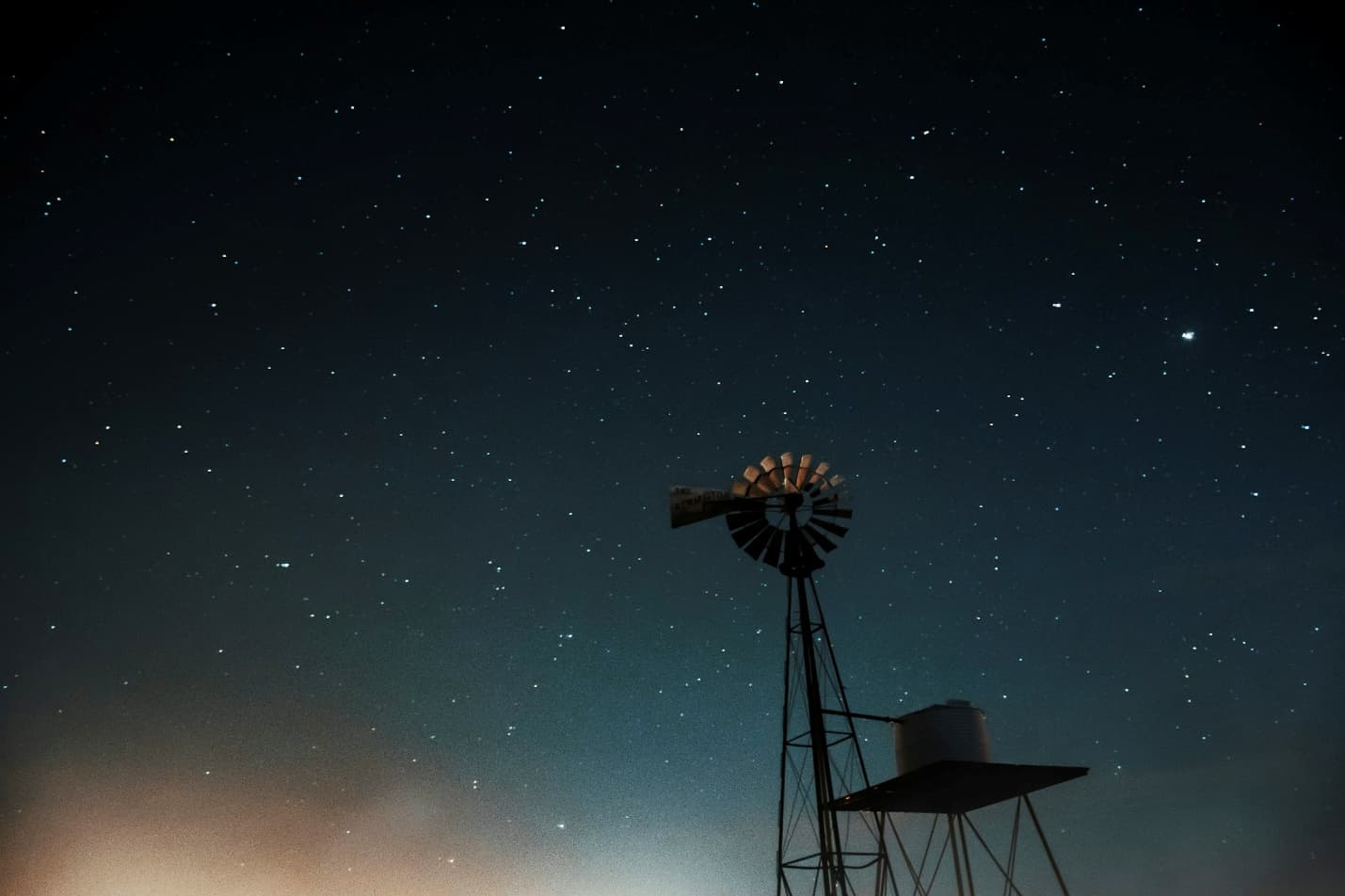
A ranch that size had to be built from the ground up. By the turn of the century, the XIT had strung about 1,500 miles of fence. It put up 325 windmills and 100 dams at a cost of around $500,000. In its best years, it branded 35,000 calves in a single season.
Cowboys worked under written rules. No gambling. No drinking. No abusing stock. No killing beef without permission.
The ranch fought everything the open range could throw at it: fence cutters, cattle rustlers, wolves, drought, blizzards, prairie fires, and falling markets.
Selling it off
In the end, the syndicate’s first plan won out. The XIT sold its last cattle on November 1, 1912. Land went out piece by piece for decades after that, and the final parcel sold in 1963.
About a hundred years after the Constitution of 1876 set those three million acres aside, they carried a tax valuation of almost $7 billion. Texas got a Capitol for them.

The XIT’s general office building still stands in Channing. One of its old headquarters buildings is now part of the National Ranching Heritage Center in Lubbock. And the Capitol is still at work in Austin, paid for with Panhandle grass.
For more on how ranching came to the Panhandle, read The Ranch That Started the Panhandle.
More on Buying & Selling Land
See all
Mock Ranches Group
Mock Ranches Group is a Texas-based farm and ranch real estate brokerage specializing in the buying and selling of ranches, farms, hunting properties, recreational land, and rural real estate throughout Texas.

Livens & Reed, PLLC
Livens & Reed, PLLC is a Texas experts firm serving ranch and farm clients, based in Bedford.

Neel Title Corporation
Neel Title Corporation is a title business serving Texas ranch and farm operations in the Laredo area.
Explore beyond the story
Browse listings, find businesses, or save this article for later.
 Listings
 Directory
Get the Newsletter
One reported story on Texas land, delivered free every month.
By signing up, you agree to receive emails from TexasRanches. We never sell your address, and you can unsubscribe anytime.