

The Ranch School That Ranchers Built
Texas ranchers founded TCU's Ranch Management program in 1956 to train people who can run a whole ranch. Director Dr. Matthew Garcia explains how the program works and why his graduates get hired before they finish.
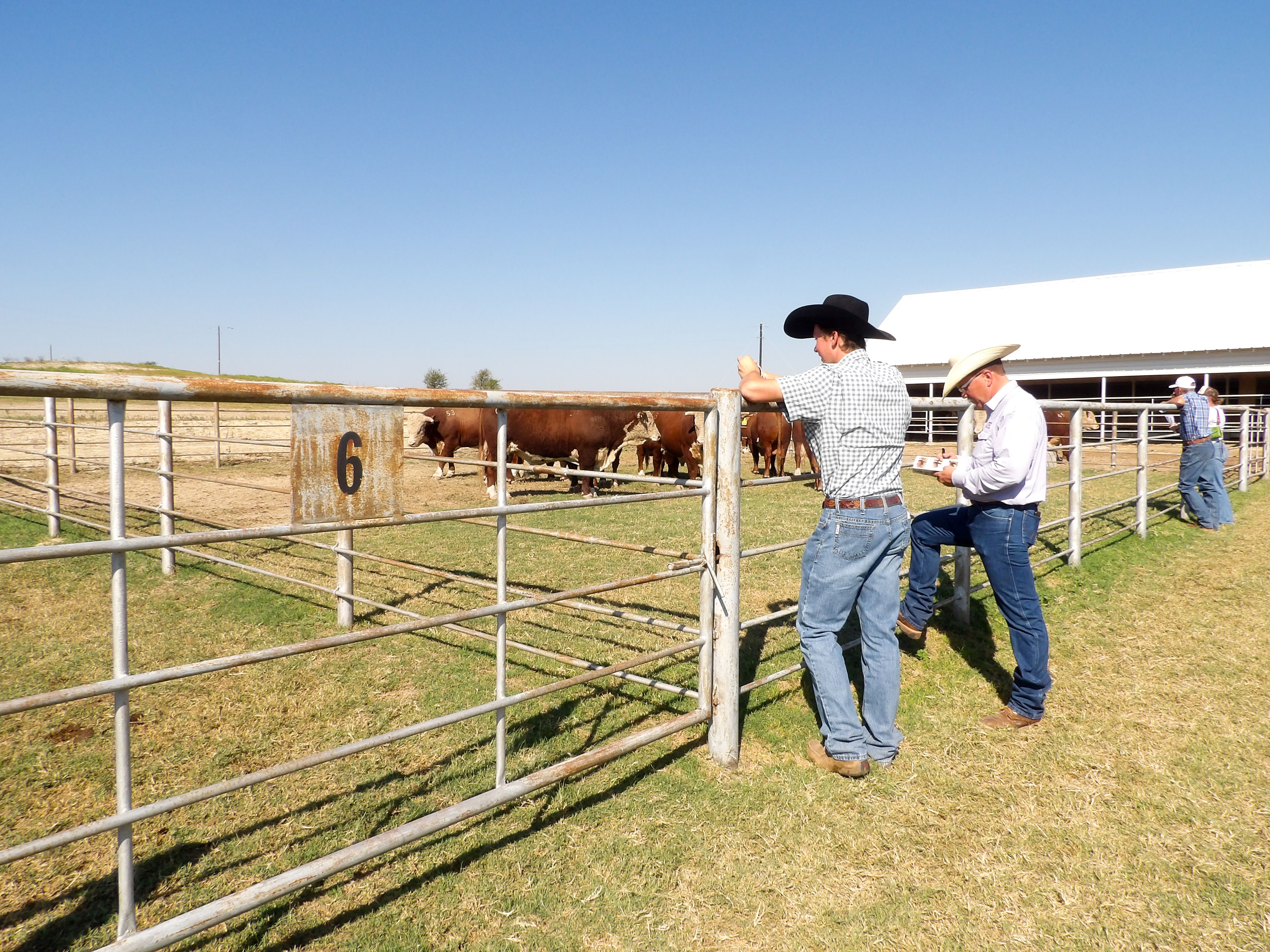
The hardest hire on a working ranch is the one who has to know all of it. A manager who can judge range recovery after a dry spring, catch a health problem in the pens before it moves through the herd, negotiate a fair price on a load of calves, and then sit down at the end of the year and make sense of what all those decisions did to the books. Operators who have run that search know how short the list gets.
The shortage shows up from the other direction too. When a ranch changes hands inside a family, the acres transfer a lot faster than thirty years of judgment. The new generation inherits the land, the cattle, and every decision that comes with them, often without anyone left on the payroll who has made those decisions before.
There is a program in Fort Worth that has been producing that person since 1956. Most of the state still has not heard of it.
Two and a half years in nine months
The TCU Ranch Management certificate is a nine-month immersion, and it moves at a respectable pace. Students are in class from 9 a.m. to 4 p.m. daily. Dr. Matthew Garcia, the program's director, describes the load as roughly two and a half years of curriculum compressed into a single year, covering:
- Water, soils, and plants
- Fencing
- Animal health, reproduction, and parasitology
- Finance, marketing, and risk management
The program is prescribed from the first day to the last. Every student takes every course; no outside classes are permitted while enrolled. Graduates finish with 35 credit hours, transferable to most colleges and universities, and a Certificate of Completion in Ranch Management.
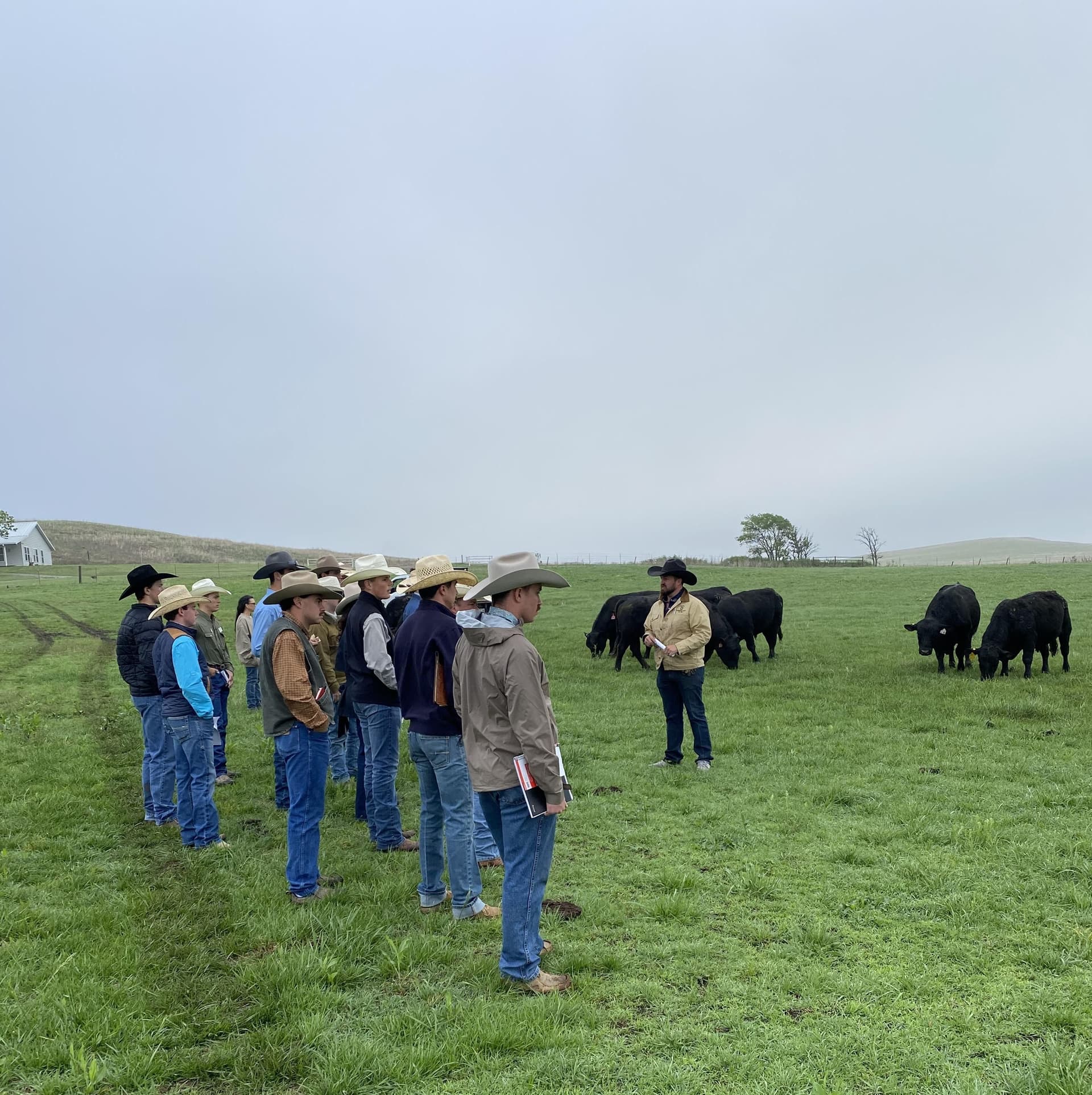
The classroom is only half the design. Students spend nine and a half weeks a year traveling to working ranches across north, southwest, and east Texas, and into Kansas and Oklahoma, so they can watch the same principles play out across different counties, different rainfall, and different operations. Over the course of those trips, students hear from more than sixty producers and professionals. The founders built the program around the idea that a successful rancher's own pasture is the best classroom available.
The founders wrote the curriculum
The program did not come out of a faculty meeting. In the early 1950s, a group of ranchers led by Charles Pettit of Walnut Springs, Roy Parks of Midland, and Milton Daniel of Breckenridge came to TCU's Chancellor Sadler and proposed a school built around the actual needs of the ranching business. The Ewing Halsell Foundation of San Antonio put up $50,000 toward the endowment, other contributions followed, and the first class convened in the fall of 1956.

The admissions process still runs on requirements that would look familiar to the early classes. Applicants must bring:
- A personal interview, conducted on campus
- A handwritten autobiography
- Three letters of recommendation
- Enough working agricultural experience to understand the industry they are asking to study
The interview and experience requirements date to John Merrill, the program's second director, who took over in 1961 and wanted every seat going to someone with proven dedication to the industry. The screen has held. This year, Dr. Garcia interviewed 106 applicants for a program that caps enrollment at 36; he admitted 33.
If it loses money, it is not a best practice
Dr. Garcia's core teaching principle is financial. Every technique in the curriculum gets evaluated for what it does to productivity and what it does to the operation's finances, both upstream and downstream of the decision. Students learn to price a management choice the same way they learn to execute it.

That lens is built into the faculty. Dr. Garcia holds a Ph.D. in animal science genomics from Washington State University, spent his postdoc years as a research geneticist with the USDA, taught beef production and genetics at LSU, and served as associate department head at Utah State University. He also holds an MBA, and he grew up on his family's cow-calf operation in New Mexico. Genetics, business, and lived ranch experience in one resume is a fair summary of what the program expects of its whole team.
The faculty is deliberately cross-disciplinary. The range specialist, the animal health faculty, and the finance faculty all work across each other's subjects, because on a ranch the disciplines do not stay in their lanes. A recent addition, Dr. Kaylee Kipp, came to the program from Texas A&M's College of Veterinary Medicine and Biomedical Sciences, where her doctoral work focused on parasitology. She arrived with years of outreach experience among Texas livestock producers.

The waiting list runs the other way
Graduates do not wait long. On the day TexasRanches.com sat down with Dr. Garcia, he had already fielded about six calls from ranches looking for managers. His graduates are typically placed by October, and roughly a dozen members of the incoming class had employment lined up before their first day in the classroom.
That demand is one reason Dr. Garcia has spent his three years as director pushing the program's visibility. When he arrived, the program was largely unknown outside its own alumni network; even ranchers in Amarillo, he notes, had not heard of it. Recruiting now reaches Oklahoma, Colorado, New Hampshire, and New York, along with international students from Australia, Brazil, and Mexico, and the program recently launched targeted digital campaigns to reach producers where they already scroll.

The handoff problem
Dr. Garcia sees a major generational shift in ranch ownership coming over the next decade, and he has made succession planning part of the core curriculum. Many operators who come through the program had not thought about it at all before he raised it. TexasRanches.com hears the same gap from the other side: new inheritors asking whether to keep operating, sell the cattle, or sell the land, without a clear place to work through the question.
That shared audience is why this article is the first of an ongoing collaboration. TCU Ranch Management faculty will serve as a resource for TexasRanches.com editorial content going forward, on succession, animal health, range, and the financial questions that sit under all of it. When readers send in questions the faculty can answer, TexasRanches.com will bring those questions to them.
For the operator who needs a manager who can do all of it, for the family weighing a handoff, or for the person who wants to become that hire, the program is worth a close look. Admission requirements, application materials, and program details are on the TCU Ranch Management certificate page.
Explore beyond the story
Browse listings, find businesses, or save this article for later.
 Listings
 Directory
Get the Newsletter
One reported story on Texas land, delivered free every month.
By signing up, you agree to receive emails from Texas Ranches. We never sell your address, and you can unsubscribe anytime.