

The Drought That Still Writes Texas Water Law
Seven dry years in the 1950s built the system your well depends on.
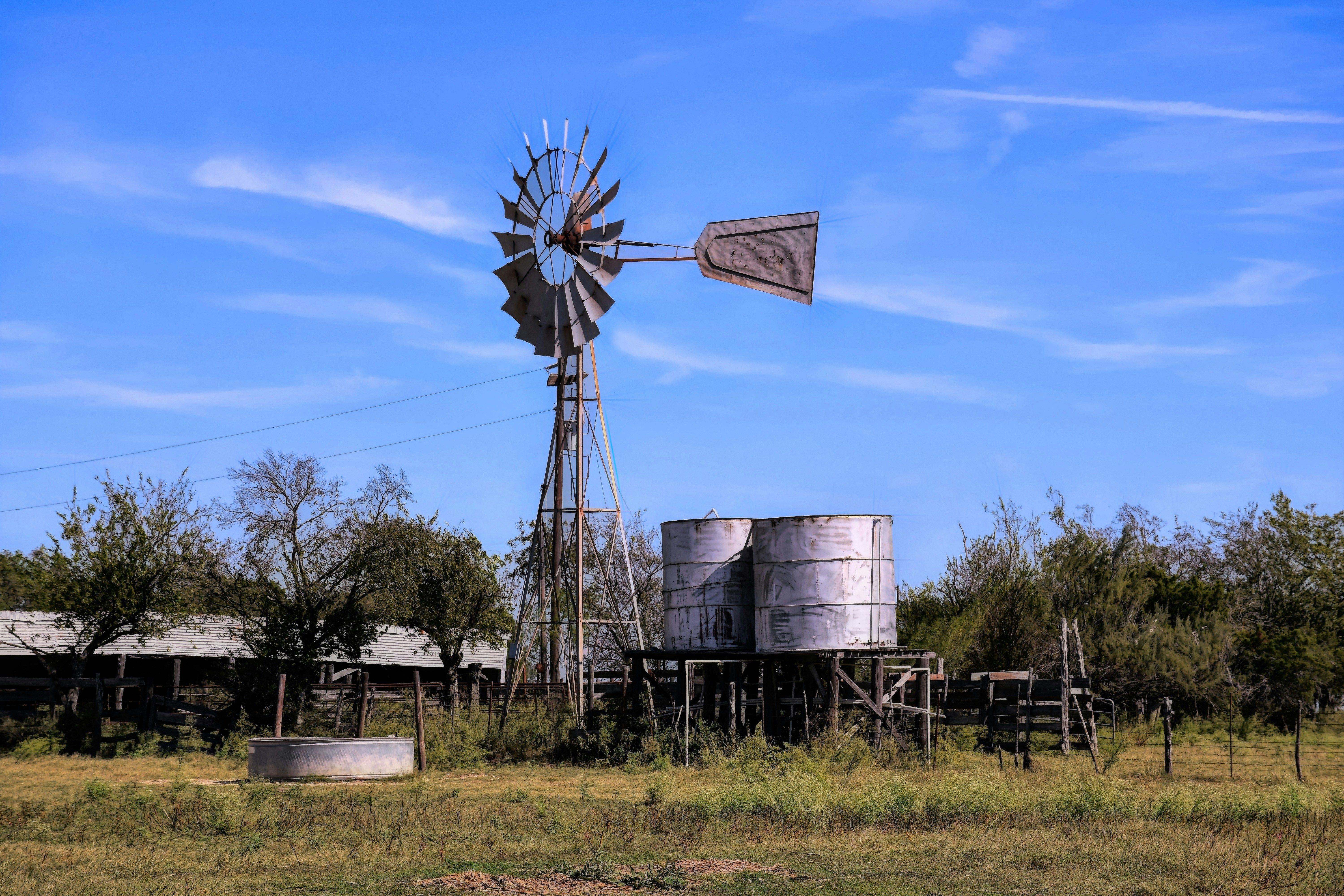
Ask a Hill Country driller about the driest this country has ever been and he will not say 2011, and he will not say last summer. He will say the fifties. Seventy years on, that stretch is still the measuring stick for every water plan in Texas, and nearly everyone relying on those plans today never lived a day of it.
The drought settled in around 1950 and did not fully break until the spring rains of 1957. Statewide records go back to 1895, and nothing in them matches those years for duration and intensity combined. In the hardest stretches, parts of the state saw as little as half their normal rain while temperatures ran above average.
Stock tanks that had never been dry went dry, and towns hauled water by truck. Ranch families who had held land through the Depression sold out or shipped their herds north, and rural counties lost people they never got back. Elmer Kelton set The Time It Never Rained in those years, and Texans still hand that novel to each other as the truest account of what the fifties took.

By the drought's final year, nearly all of Texas's 254 counties had been declared federal drought disaster areas. The commonly cited figure is 244, and the ten that escaped the designation did not escape the dry. The state's rural population fell through the decade as families who could not feed cattle or make a cotton crop moved to the cities, an exodus that reshaped Texas as surely as the railroads had.
The ending had its own cruelty. The rains that broke the drought in the spring of 1957 came so hard and fast that they turned into some of the worst flooding the state had recorded, drowning the same country that had spent seven years begging for water. Texans learned drought and flood as two faces of the same problem, which is precisely how the state's water planners have treated them since.
What Texas built out of it
The response outlived the rain. In 1957 the Legislature created the Texas Water Development Board to plan and finance the state's water supply, and in 1961 the board published the first state water plan. The planning logic adopted then still governs now.
Every region in Texas plans its water supply against a repeat of its drought of record, and for most of the state, that record is the fifties. When your groundwater district sets drought stages, or your regional planning group projects supply for 2050, those seven years are in the room. It is a seventy-year-old yardstick, still doing daily work.
How the benchmark works on your place
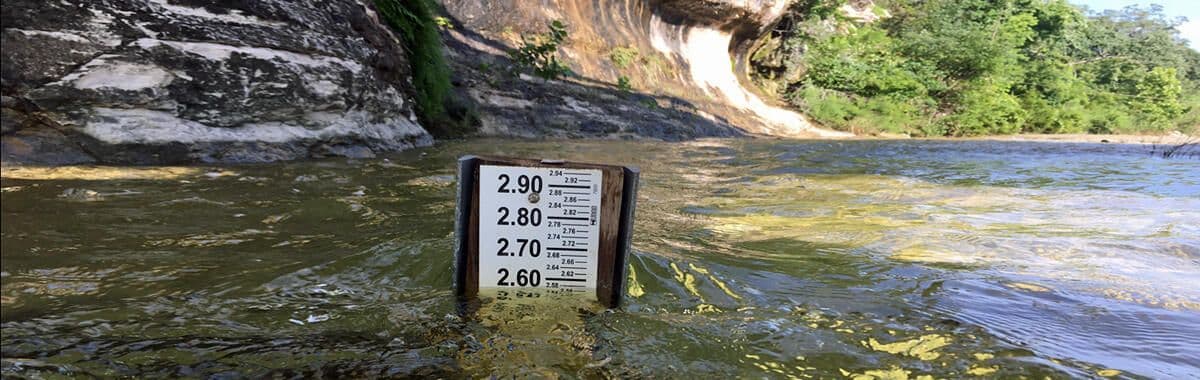
The mechanics are worth a minute, because they touch every well and stock tank in the state. A reservoir's dependable supply is calculated as what it could deliver through a repeat of the drought of record, not through an average year. A groundwater district's drought stages are triggers set against conditions the fifties taught planners to expect. When a regional plan says a county faces a shortage in 2050, it means a shortage if the fifties come back with 2050's population drinking.
That logic has critics with a serious case. Engineers who have spent careers on Texas water infrastructure point out that several recent droughts have pushed past the parameters the plans assume, and that the plans do not model conditions getting structurally worse. The benchmark, in other words, may be aging out of its job. That debate is live in 2026, and landowners have a seat in it whether they claim it or not.
What this history is worth to a landowner now
The practical inheritance of the fifties is that your county's water future is written down. Your regional water planning group publishes what it assumes about your area's supply, your groundwater district publishes its drought stages and triggers, and both documents are public. Landowners who read them know what the system expects to happen to their wells in the next long dry stretch; landowners who do not are trusting that somebody else read carefully.
Explore beyond the story
Browse listings, find businesses, or save this article for later.
 Listings
 Directory
Get the Newsletter
One reported story on Texas land, delivered free every month.
By signing up, you agree to receive emails from Texas Ranches. We never sell your address, and you can unsubscribe anytime.