

The Cowboy Strike of 1883
In 1883, Panhandle cowboys gave the biggest ranches an ultimatum: pay more or lose your crews. The ranchers fired them instead, and the failed strike showed how the cowboy’s job had changed.
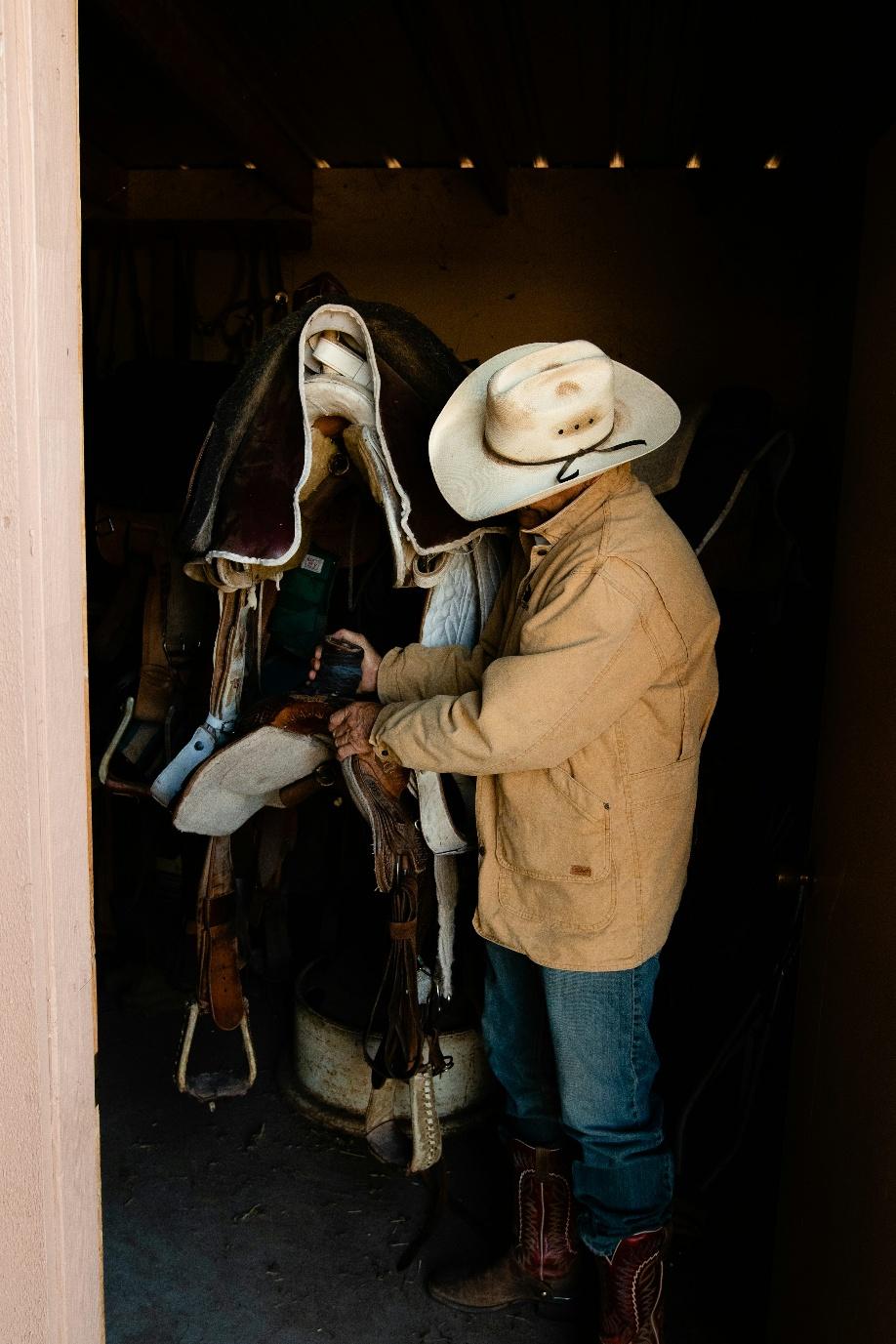
In the spring of 1883, Panhandle cowboys told the biggest ranches in Texas to pay up or lose their crews.
Early in 1883, twenty-four cowboys signed their names to an ultimatum.
They worked for some of the largest ranches in the Texas Panhandle, along the Canadian River near the cow town of Tascosa. Their demand was simple. Pay us more, or we stop working on March 31.
The spring roundup was coming, and the ranches would need every hand they had.
A job that was changing
Cowboys on those ranches earned an average of about $40 a month.
For years, the pay had come with extras. Hands could take part of their wages in calves. They could brand mavericks, the unbranded strays on the open range, and keep them. Some ran small herds of their own on their employers’ land.
By the early 1880s, many of the big Panhandle outfits were owned by corporations. The new owners wanted hands who worked only for wages. They claimed mavericks as company property. The old ways of building a herd on the side were going away.
The ultimatum
In late February or early March of 1883, cowboys from the LIT, the LS, and the LX drew up their demands. Tom Harris of the LS was among the leaders.
They would not work for less than $50 a month. A good cook would get the same. Anyone running an outfit would get at least $75. Twenty-four men signed, and copies went out to the ranches.
The strike was aimed at five outfits: the LIT, the LX, the LS, the LE, and the T Anchor.

How the ranches answered
The ranchers did not give in.
The LE and the T Anchor fired striking cowboys on the spot. The LS and the LIT offered a small raise and fired anyone who wouldn’t take it. Then the ranches hired replacement crews and went ahead with the roundup.
No one agrees on how many cowboys walked out. The Handbook of Texas says reports ranged from 30 to 325. Other accounts put it between 160 and 200.
The work went on without them. The strikers ran out of money. Within about two months, the strike was over, and not a shot had been fired.
What it left behind
The strikers were told they would never work on the Texas Plains again. Many left the Panhandle. Others took jobs in town.
Rustling picked up in the months that followed, and many people at the time blamed frustrated strikers for it. Some of Tascosa’s later gunfights grew out of grudges the strike had started or brought into the open.
The strike failed. But it showed how much the job had changed. The cowboy who once could build a small herd on the side was now a hired hand working for wages.
More on Ranch History & Culture
See all
Maria's Western Wear and Sports Souvenirs
Retail store in Round Rock, TX, offering western wear and sports-related souvenirs.
JR Tradings
JR Trading & La Morena Artesanias offers El Paso-style apparel, crafts, and accessories, serving the El Paso community for over 30 years.

Feather's Boutique Vintage
Feather's Boutique Vintage in Austin, TX, offers curated vintage garments, artisan jewelry, and locally-made home decor and gifts.
Explore beyond the story
Browse listings, find businesses, or save this article for later.
 Listings
 Directory
Get the Newsletter
One reported story on Texas land, delivered free every month.
By signing up, you agree to receive emails from TexasRanches. We never sell your address, and you can unsubscribe anytime.