

6 Things to Know Before Buying Land in South Texas Brush Country
From water rights to brush management, ag exemptions, and hunting leases, what buyers should understand about South Texas Brush Country before making an offer.
The first time most people see South Texas Brush Country from the air, they're surprised by how dense it is. From the ground, walking a sendero at dawn with the brush pressing in on both sides, it starts to make sense. This land holds things — game, water, history. Knowing how to read it is what separates a good purchase from a great one.
The region stretches from the southern edge of the Hill Country down toward the Rio Grande and east through counties like Webb, Duval, Jim Wells, and Live Oak. People who know it tend to want it. Those who buy it well tend to hold it for a long time.
Getting there requires understanding a few things about how this land works before you make an offer.
Water shapes everything
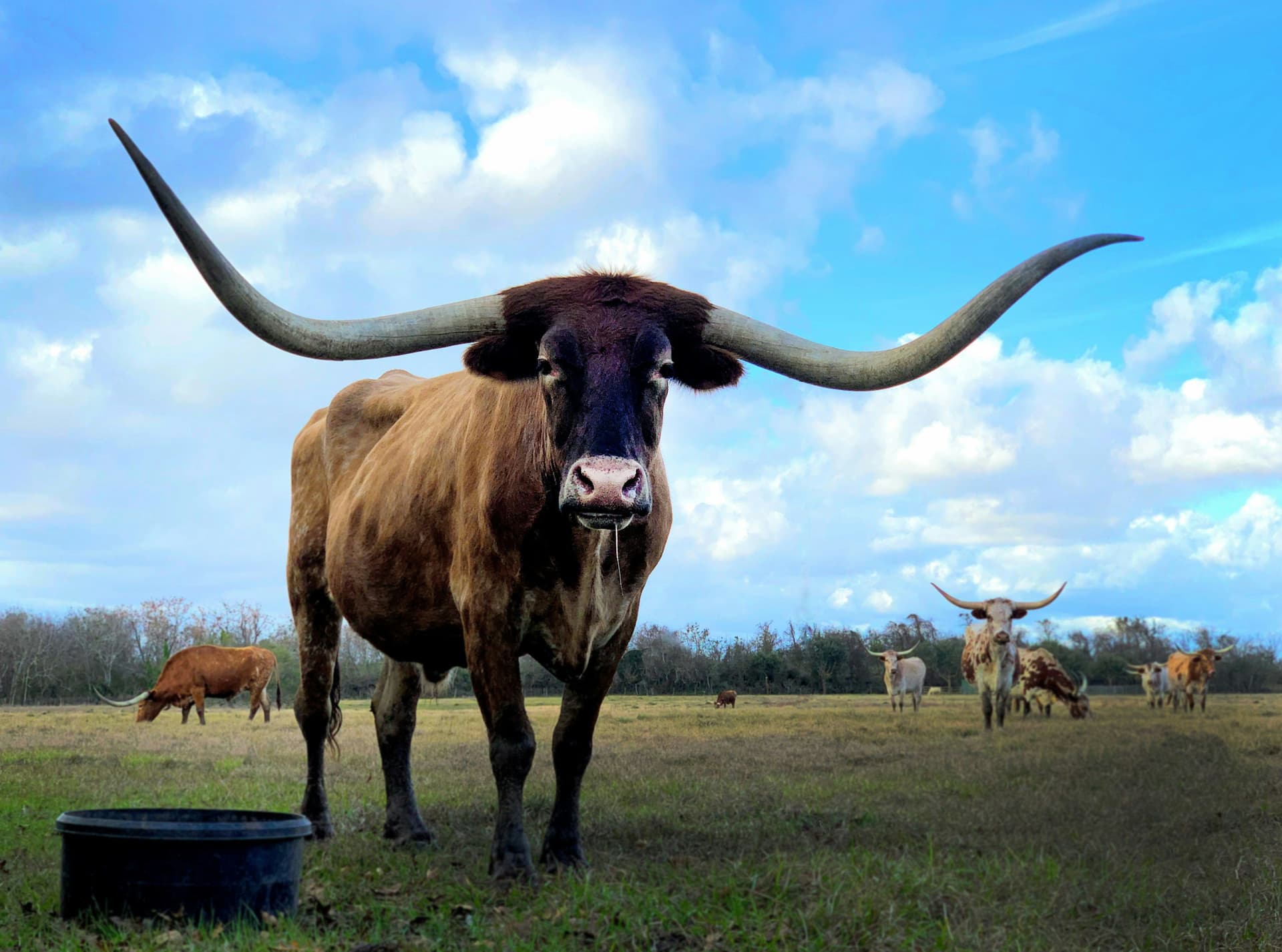
Photo credit: Vivian Arcidiacono
In South Texas, water access isn't a detail — it's the foundation of what a property can do. Surface water is limited and seasonal. Most landowners depend on groundwater, which means wells. Before you buy, it's worth getting clear on a few things:
What groundwater conservation district governs the property
When the well was last tested and what its output is
Whether any water rights have been severed or are subject to shared-use agreements
How the property has handled drought years historically
A well that performs well in a wet spring can tell a different story by August. A land broker who knows the region will know which questions to ask — and which answers to trust.
Soil and terrain vary more than the map suggests
Brush Country isn't uniform. The eastern portion tends toward heavier clay soils with more grass cover. Move west and south and the caliche thickens, the brush gets denser, and the terrain roughens. Both have value — they just support different uses.
For grazing, ask for stocking rate history and any recent range assessments. Overgrazed land takes years to recover and isn't always visible from a vehicle.
For hunting or recreational use, the thick brush that makes grazing harder is often exactly what holds deer and other game.
A land survey and a conversation with a local range consultant before closing is worth the time and cost.
Brush management is part of owning the land
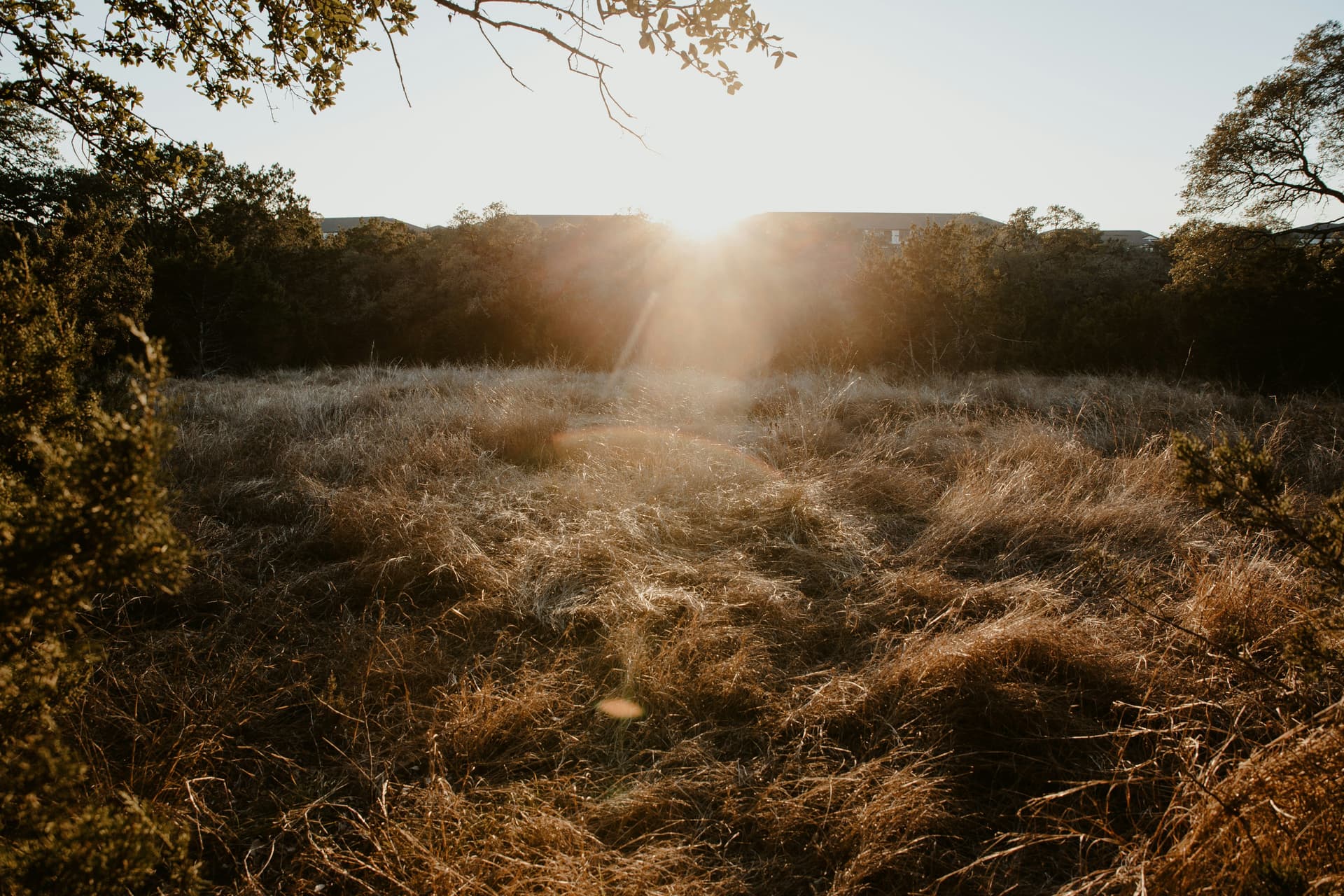
Photo credit: Benigno Hoyuela
Mesquite and huisache are native to this region. Left unmanaged, they crowd out grasses and reduce a property's carrying capacity over time. Most well-maintained properties have a history of brush control — mechanical clearing, chemical treatment, or prescribed burns — and that history is worth understanding before you buy.
When evaluating a property, it helps to know:
What brush management has been done and when
Whether burning requires permits in the county
What a realistic maintenance plan would cost going forward
This is part of what owning South Texas land looks like. Factor it in, and it becomes manageable. Overlook it, and it becomes expensive.

An ag exemption can significantly reduce your tax burden
Texas offers agricultural and wildlife management exemptions that can reduce property taxes considerably. Most South Texas parcels already carry an ag exemption; for cattle, goats, or hay production, but the status is worth verifying before closing. It's worth noting that this is technically a special valuation, not a true tax exemption. The land is still taxed, but on its productive agricultural value rather than its market value.
If you plan to shift from a livestock-based exemption to a wildlife management exemption, that transition takes time and has specific requirements set by the Texas Parks and Wildlife Department. The application’s deadline is May 1st. Starting that process early matters.
A TexasRanches.com broker or a local tax advisor can walk you through what applies to a specific parcel and what you'd need to do to maintain or transition the exemption after purchase.
Hunting leases can offset your carrying costs
A well-managed South Texas property — one with reliable water, native brush, and limited hunting pressure — can support a lease that helps offset operating costs. Whitetail deer leases are common across this region, and a quality property in the right county can generate meaningful annual income.
If a lease is part of your plan, a few things are worth clarifying before you close:
Whether an existing lease is in place and what its terms are
How the property has been managed for game in recent years
What the lease rates look like for comparable properties in the area
Some buyers inherit leases they weren't expecting. Others find that an established lease with a reliable group is an asset worth preserving.
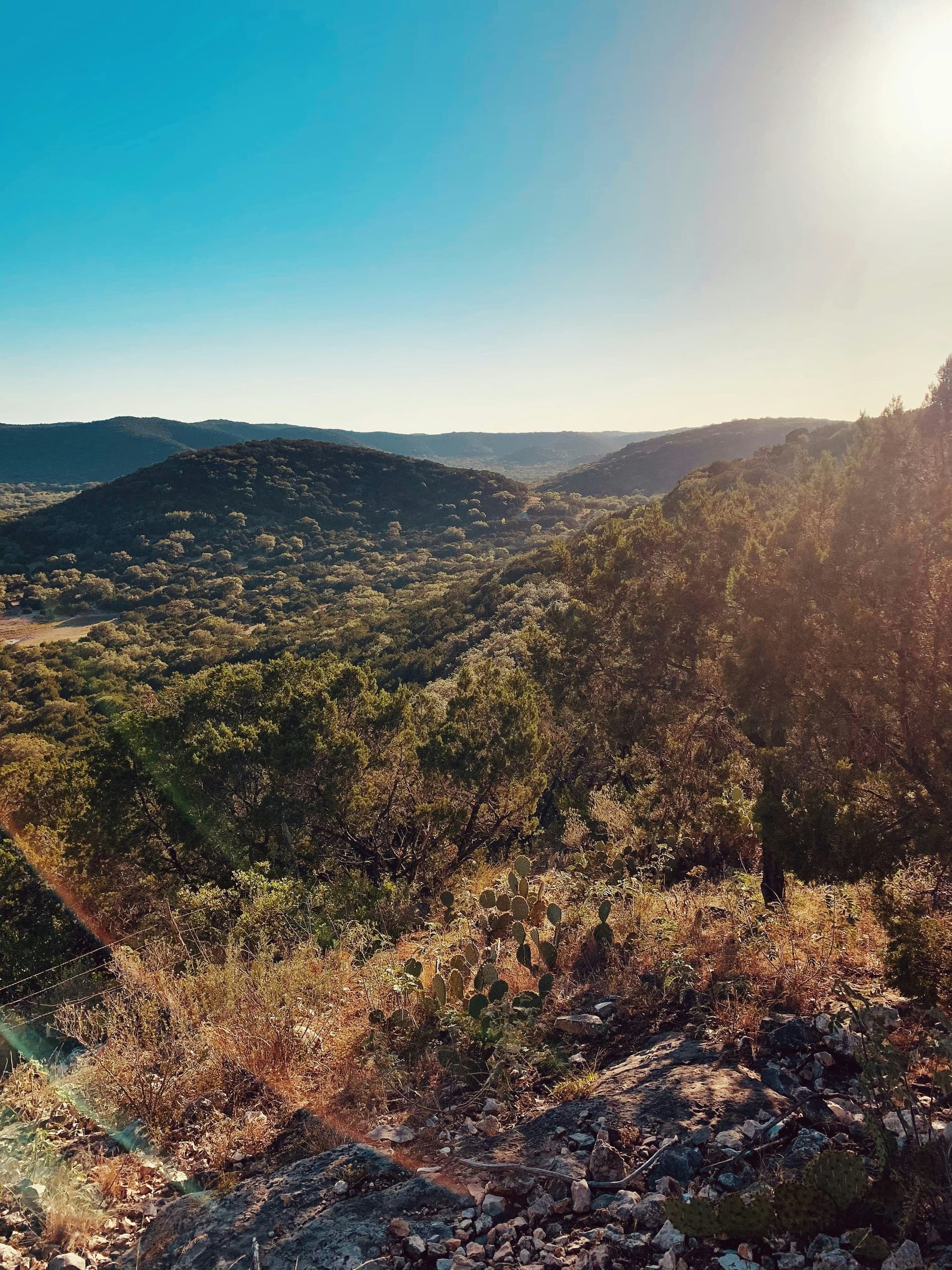
Photo credit: Judah Estrada
Buy with someone who knows this ground
South Texas land deals have their own rhythm. Title issues, landlocked parcels, easement disputes, and severed mineral rights come up more often here than in other parts of the state. The brokers at TexasRanches.com know this region — the counties, the water districts, the market — and bring that knowledge to every transaction.
If you're starting to look, or if you've found something and want a second set of eyes, it's worth working with someone who has spent time on this land.

Good ranchers know we don't do this alone. This is a place to discuss everything from legacy planning, herd management, and land stewardship to innovative revenue models shaping the next generation of ranching in Texas.
Continue the Conversation on the Forum
Join the discussion with Texas landowners, ranchers, and experts.
New to TXR? Create a free account to join the conversation.
Explore beyond the story
Browse listings, find businesses, or save this article for later.
 Listings
 Directory
Get the Newsletter
One reported story on Texas land, delivered free every month.
By signing up, you agree to receive emails from Texas Ranches. We never sell your address, and you can unsubscribe anytime.