

Keeping the Ranch in the Family
Elizabeth Crawford from Sendero Wealth Management explains why storytelling is the key
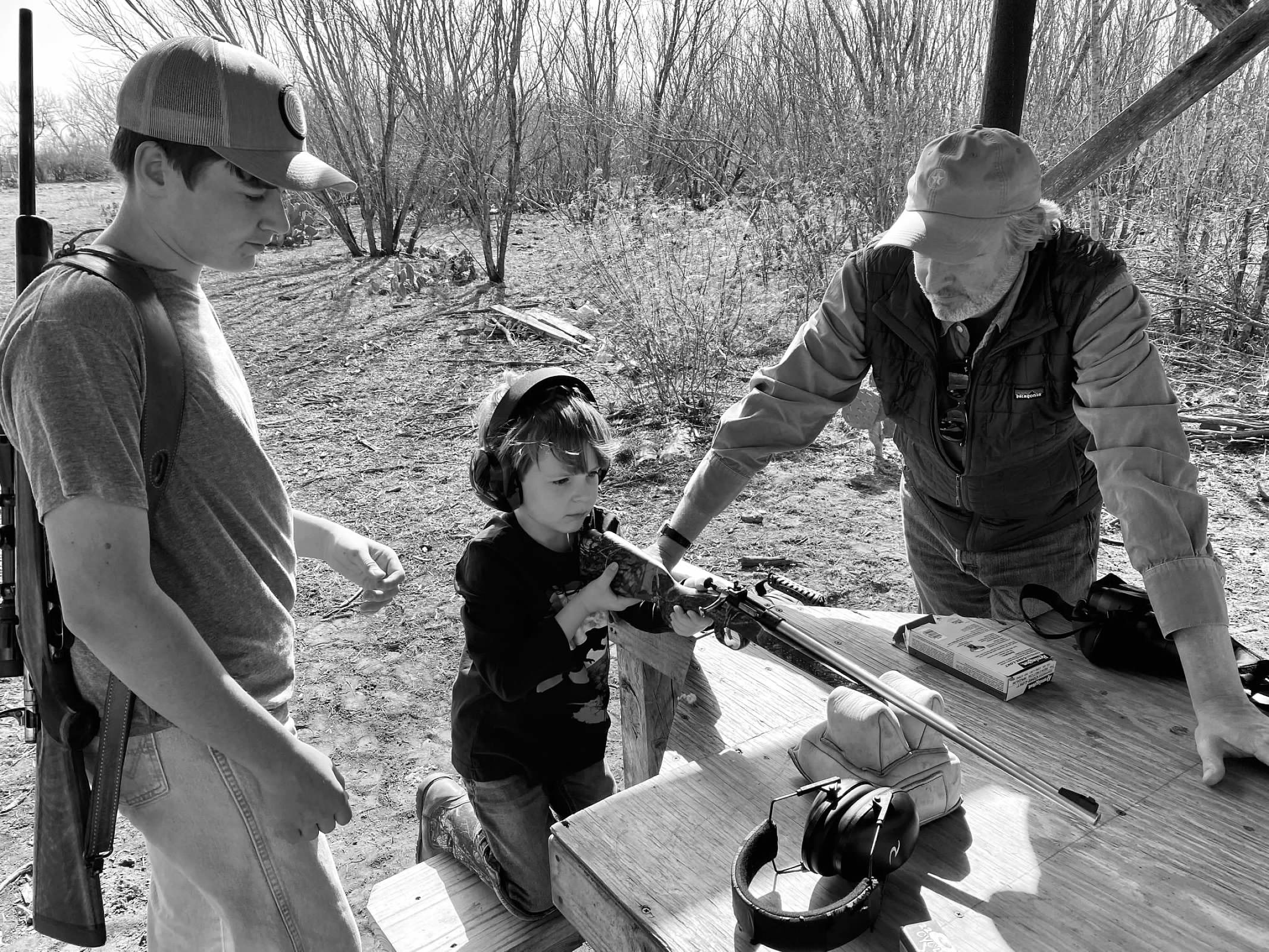
Elizabeth Crawford is CEO and Partner at Sendero Wealth Management, an independent advisory firm working across Texas. Much of her work centers on families whose wealth is tied to ranches and long-held land. We sat down to talk about what actually keeps a ranch in a family.
TXR: Let’s start by having you tell us a little about yourself.
Elizabeth Crawford: I’m Liz Crawford. I am second-generation in investment management in San Antonio. And while my dad was very technical in picking stocks and bonds, I went the route of psychology, emotions, family dynamics, and really learned how to work with families around assets.
It’s been the most rewarding thing that I think I could do, because we’re helping families with their most trusted and often sentimental assets – ranch land, businesses, jewelry – it’s all of these things that create your family story.
TXR: That’s interesting, can you share more about how you see storytelling showing up in your work with multigenerational ranch families?
Elizabeth Crawford: In families where ranching is important, where they want to keep it in the family, they have to do the storytelling. Otherwise, it will just be an asset that is for sale at some point.
If you spend time with me walking through the pasture and telling me about how grandma and grandpa sacrificed and bought it from the neighbor — those stories all of a sudden become my story. I become a part of it.
As people, we were created to perceive those emotional connections. If you tear up when you’re telling a story, as listeners we’re like, this is so important, I have to pay attention. If you share the stories with me, it’s making a bigger impact on me than anything else can.
TXR: What are some of the challenges you’re seeing in practice across the generations?
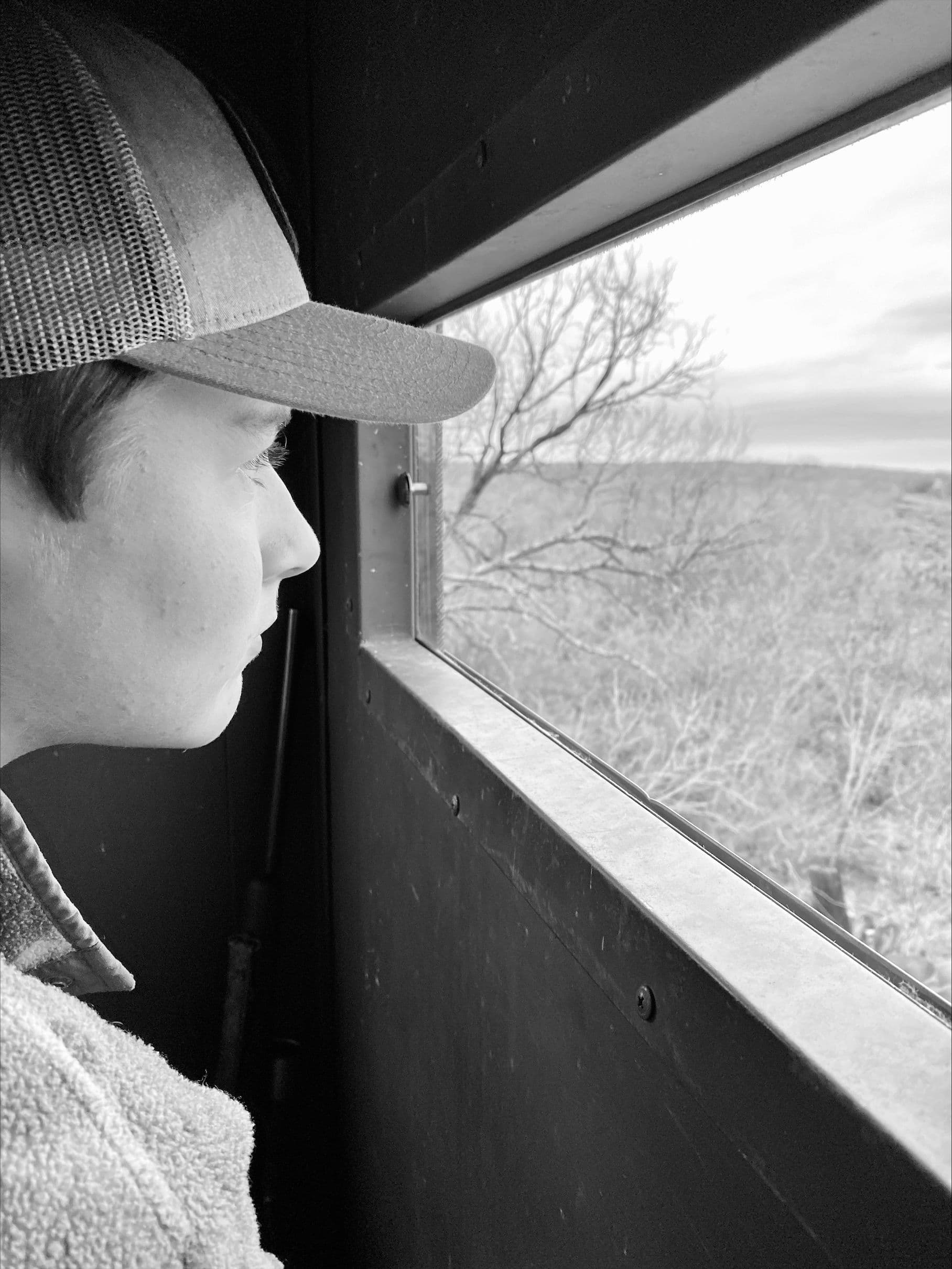
Elizabeth Crawford: If you treat the next generation as users of the land, and you don’t give them responsibility or accountability, they will be consumers. They will be visitors.
You can’t have something multi-generational if the governance is not multi-generational, if the information is not multi-generational. You’re just waiting for the train wreck to happen.
Helping people really think about what’s the best way forward is a lot of what I get to do, and my goal in all of this is to keep the family unity, to keep the family tight.
TXR: How do you actually help families move things forward when you notice this tension?
Elizabeth Crawford: Sometimes we can’t see a different point of view, so facilitated conversation can help all parties be heard. It can help change, “well, we’ve always done it this way.” Let’s unpack that. Why have we always done it this way? Have things changed?
When I was 8 years old and you were making all the decisions, maybe that made sense. But I’m 42 years old, have my own family now, and I’m actually participating in the work.
"If you treat the next generation as users of the land, and you don’t give them responsibility or accountability, they will be consumers. They will be visitors."
- Elizabeth Crawford
TXR: This isn’t all professional for you, how has your personal experience helped shape how you approach your work?
Elizabeth Crawford: My husband has a ranch with three siblings. One person does the finances, one person does the ranch management from a deer standpoint, facility standpoint. And then we have two others who use the ranch. That can create friction when not everybody is contributing.
And then from a monetary standpoint, when people have to make capital calls into the ranch to keep the ranch upkeep and maintenance going, there’s different levels of who can provide what. All of these things can create tension.
We have a formal process for how to have business conversations about the ranch versus family conversations about the ranch.
TXR: How do you approach that dynamic of business versus family?
Elizabeth Crawford: If we can get families trained to have that business mindset about the asset, then they can walk away and enjoy it as a family. And that separation is what creates harmony in the family. Otherwise, it gets murky.
I think of everybody at the ranch as a shareholder. We have to have shareholder meetings. We have to talk about the things that are happening in the company.
“I think of everybody at the ranch as a shareholder.”
- Elizabeth Crawford
TXR: Ranch families today are facing real pressure. What are those conversations sounding like?
Elizabeth Crawford: This is a reality facing a lot of landowners right now. Should I sell and capitalize on the money, or do I keep the land? It’s really going to be a reflection of what your family wants to do, what’s important to them.
If you’ve already got buy-in from family members of this is who we are, this is part of our story, it could be a very different conversation than my kids are on the coasts and they’re never coming back.
TXR: I’m curious about the name of your company “Sendero.” It feels very Texan. Where did it come from or what does it mean?
Elizabeth Crawford: It’s a great question. It’s Spanish for loose-lead pathway, so the sendero is the open area you often find in ranches between the wild. It’s where the fences go, it’s where, you know, a lot of the utility lines or whatever may go, but it’s the area where you can drive down and create a road between the wilderness.
TXR: Love that. A pathway between the wild feels appropriate for the work you do.
This interview reflects the personal views and experiences of the interviewee at the time of publication and should not be construed as investment, legal, or tax advice. The examples discussed are illustrative and anecdotal and do not represent specific client engagements or outcomes, nor do they guarantee any particular result. TXR is not a client of Sendero Wealth Management, a registered investment adviser, and no endorsement or testimonial is intended or implied. Additional information about Sendero Wealth Management is available on its website at www.sendero.com.

Explore beyond the story
Browse listings, find businesses, or save this article for later.
 Listings
 Directory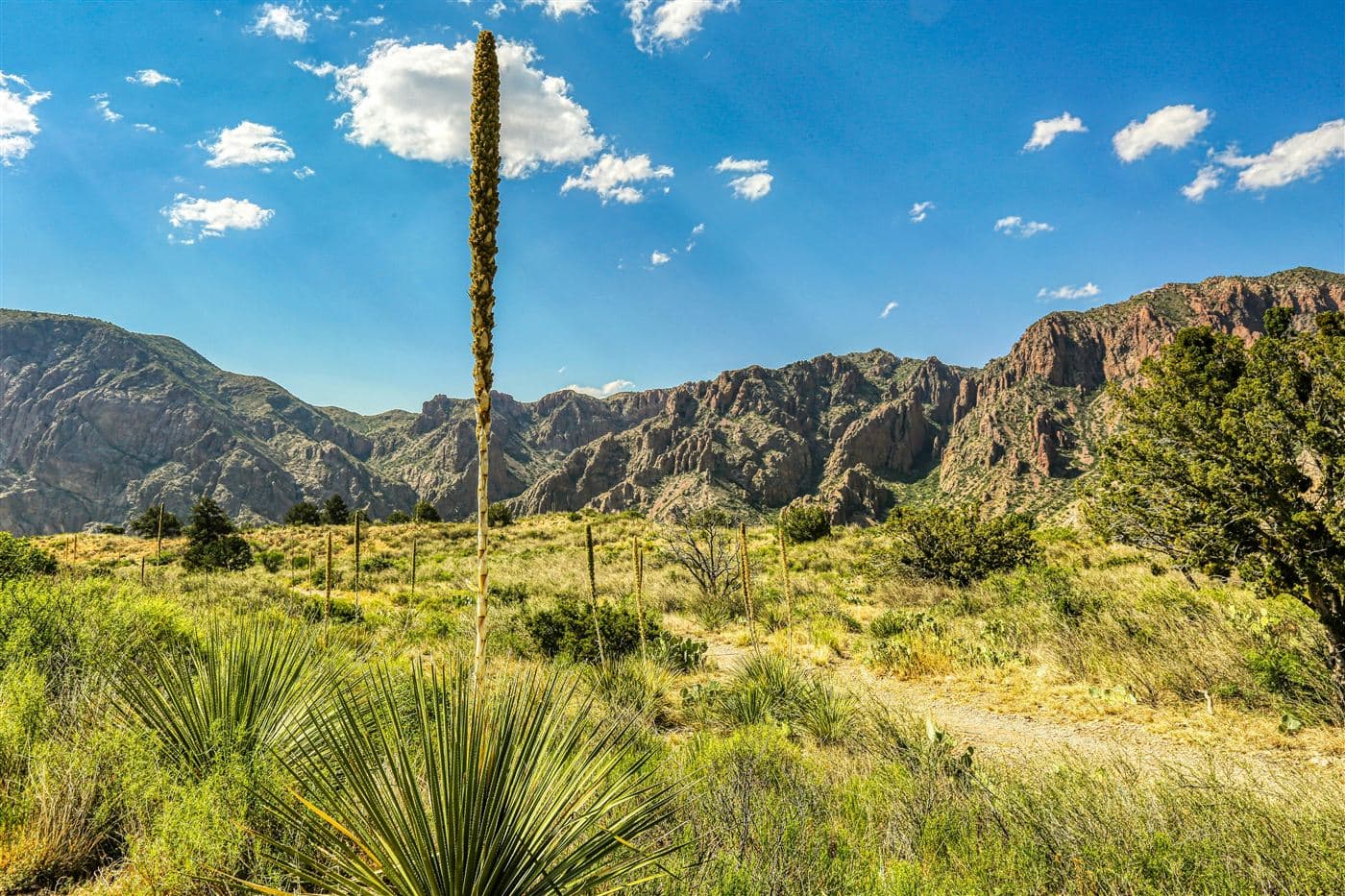
Get the Newsletter
One reported story on Texas land, delivered free every month.
By signing up, you agree to receive emails from Texas Ranches. We never sell your address, and you can unsubscribe anytime.