

Record Prices, Smallest Herd in 75 Years: Why Ranchers Are Not Rebuilding
The paradox at every sale barn, explained by the people living it.
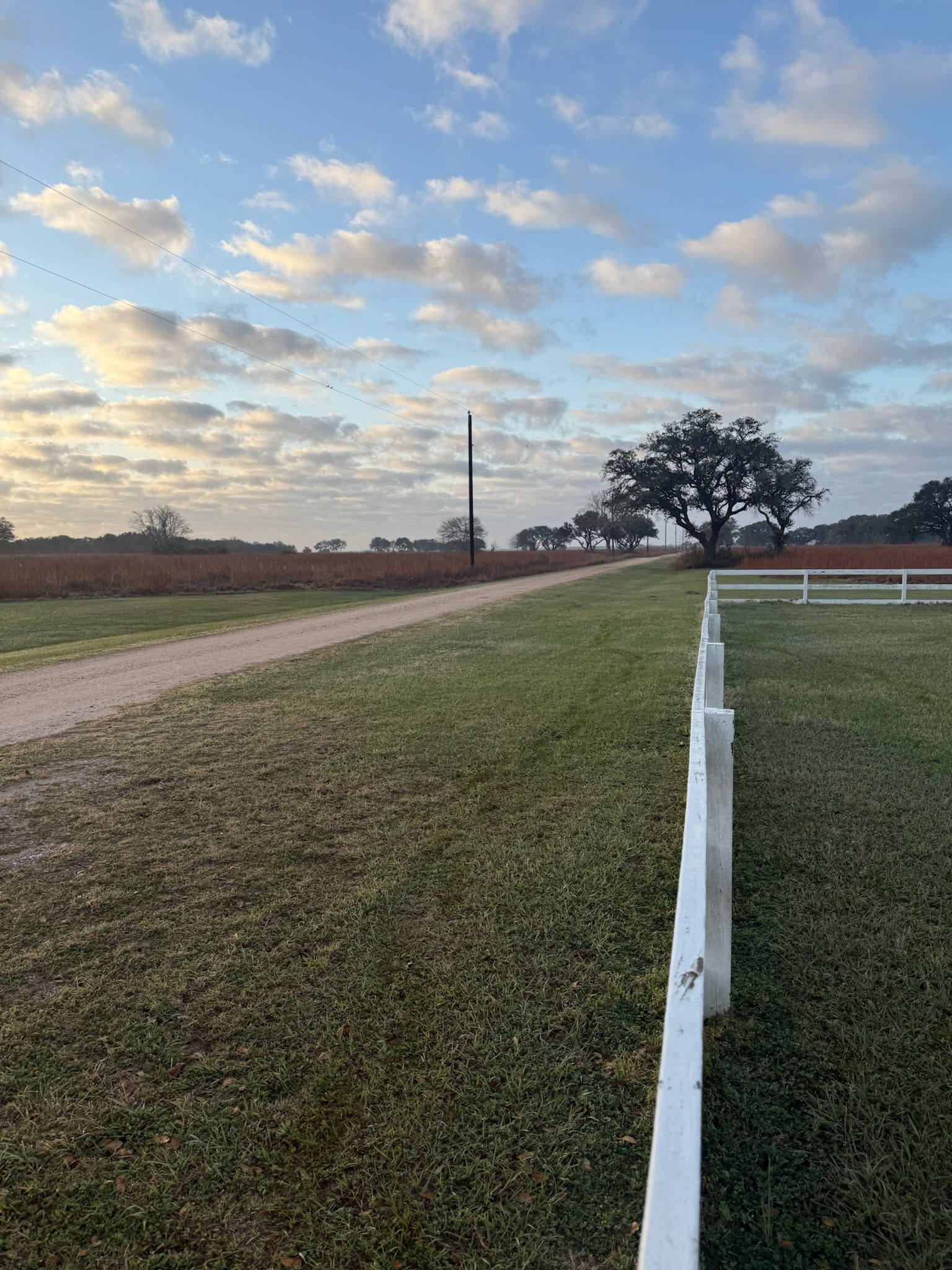
The check from the sale barn is the biggest anybody in the family has cashed, and the cow herd is still getting smaller. That sentence describes most of cattle country right now, and everyone in it understands the two halves are connected. The prices are historic because the herd is small, and the herd stays small because the same forces that shrank it have not let go.
The national herd sits near its smallest in three quarters of a century, and feeder prices have set records through the year. Textbook economics says those prices should be pulling heifers out of the sale pens and back into pastures to grow the next herd. The pens say otherwise, and the reasons are not mysterious to anyone running cows in Texas.
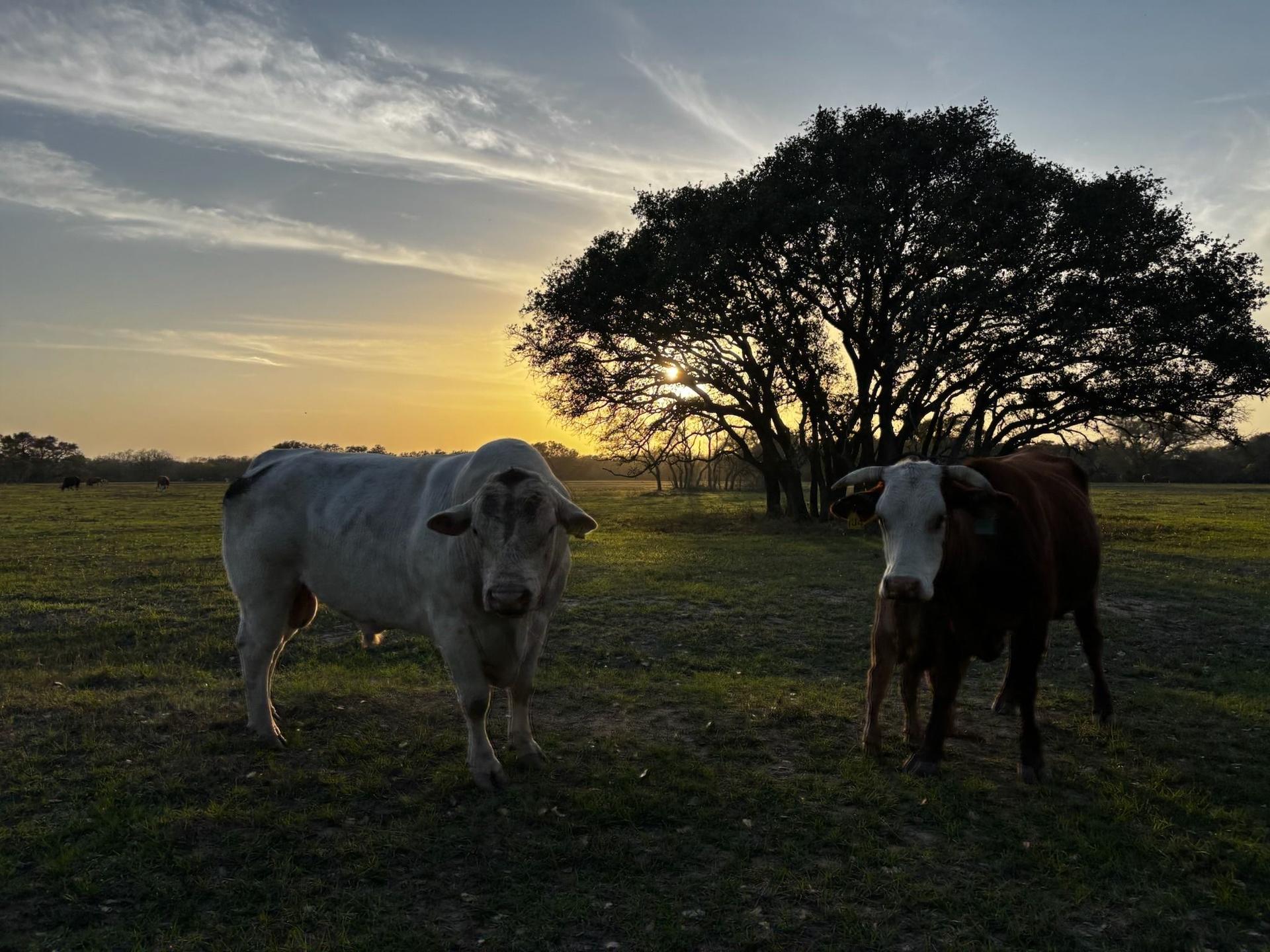
Four reasons the heifers keep going to town
The grass is not there. Rebuilding starts with forage, and much of cattle country has spent another year in drought. A heifer retained onto pasture that cannot carry her is not an investment; she is a feed bill.
The money costs too much. A retained heifer is a two-to-three-year bet before her first calf pays anything, financed at rates that make the sale-barn check look better every month you hold her.
The inputs never came down. Feed, fuel, equipment, labor. The margin on record prices is real, and thinner than the headline.
The forage base is under new pressure. Pasture mealybug has been confirmed in dozens of Texas counties since 2025, damaging the warm-season grasses a rebuild would have to graze. Expanding a herd is harder when the grass itself is a question.

The cycle, for context
None of this is unprecedented in shape, only in degree. The cattle business has always moved in cycles roughly a decade long: herds grow until prices break, then liquidate until scarcity rebuilds them. The American herd peaked near 132 million head in the mid-1970s and has stair-stepped down through every cycle since, which means each rebuild starts from lower ground than the last.
What makes this trough different is how long the liquidation forces have stayed in place. Past cycles turned when the rains came back and money was reasonable; this one has run through six years of recurring drought with capital costs that punish patience. The cycle has not been repealed, but its clock has been running slow, and the operators who understand that are planning in years, not seasons.
What it means for the land itself
A small herd changes the land market underneath it. Grass has value with or without cows, and grazing leases on good country have become genuinely competitive as operators who sold cattle keep their lease options alive for the rebuild they still intend. Stocker operators, who can put weight on low-cost gain and exit fast, pay for flexibility in exactly the country that cow-calf operations have thinned out of.
For a landowner, that means lease demand has quietly diverged from cattle numbers. The buyers underwriting grass country today are betting on the rebuild eventually arriving, and the lease income in the meantime is real. It is one more way the smallest herd in seventy-five years is reshaping more than the sale barn.
What a Texas operator does with this
The producers navigating this well are not trying to call the top. They are stocking to their forage instead of to the price page, keeping culling discipline while the culls are worth real money, and running the retain-or-sell arithmetic on paper instead of on instinct. That sheet is shorter than it sounds: her sale value today, against her carry cost to first calf, against what her calves are worth if prices hold and if they do not.
The signal that a true rebuild has started will show up in the data before it shows up in the price: heifers held back, the slaughter mix shifting. Until then, a small herd means strong prices with a long tail, and decisions worth making deliberately rather than reactively.
Explore beyond the story
Browse listings, find businesses, or save this article for later.
 Listings
 Directory
Get the Newsletter
One reported story on Texas land, delivered free every month.
By signing up, you agree to receive emails from TexasRanches. We never sell your address, and you can unsubscribe anytime.