

Reading Land Like a Broker: The Six Records That Tell a Property's Story
What experienced buyers check before they ever schedule the drive
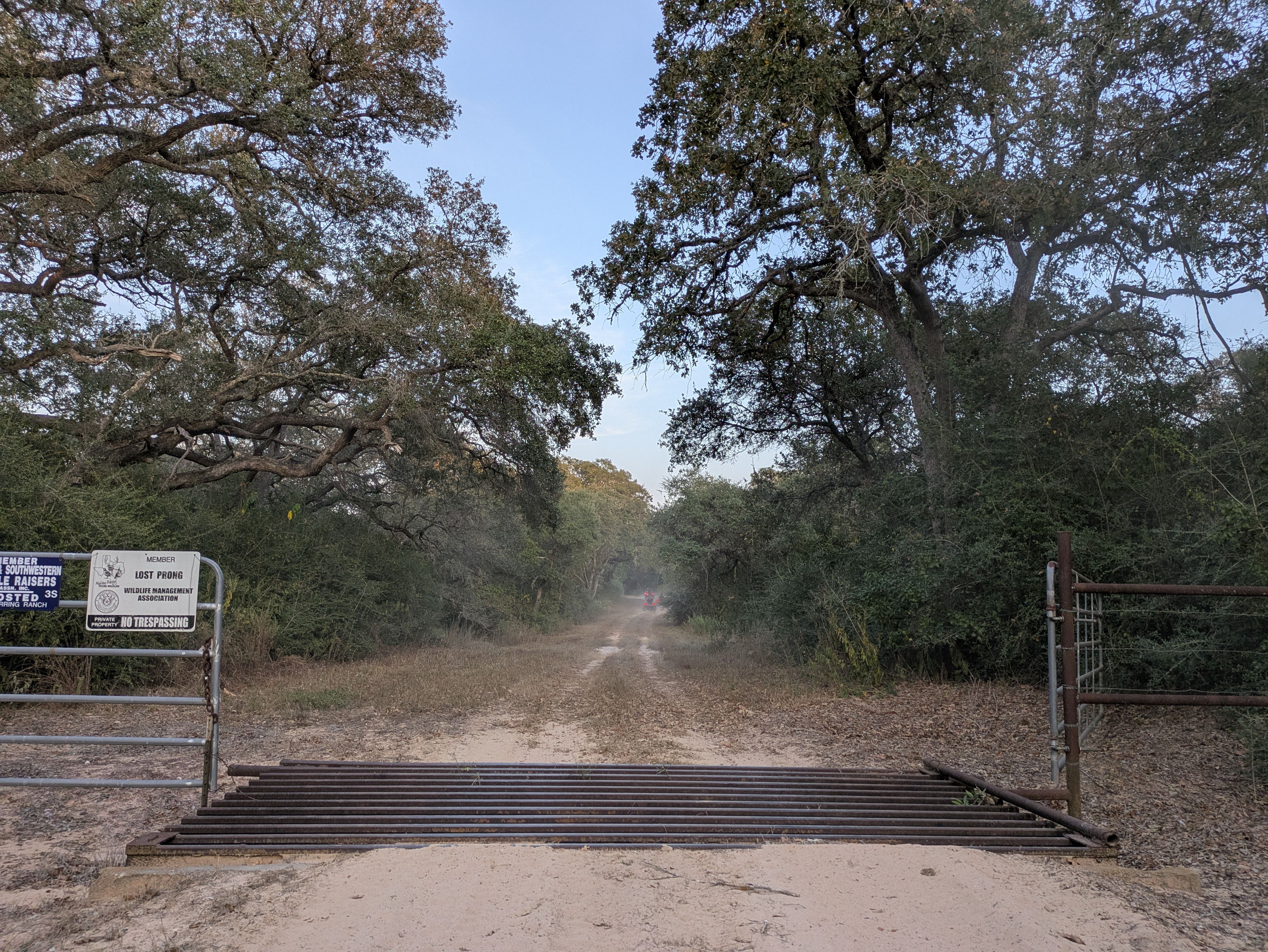
The listing has good photos, a county you know, and an acreage that fits the plan you have been carrying around for years. What it does not have is the information that decides whether this place becomes yours or becomes a story you tell about the one you almost bought. That information exists, most of it is public, and the people who buy land well have simply learned where it lives.
A broker who has worked a county for twenty years reads a property the way a rancher reads clouds, and most of that reading is records, not instinct. The paper trail on any tract of Texas land tells its whole story: who has owned it, what crosses it, what floods it, what was reserved out of it two owners back. Learning to read that trail is the single most valuable skill a land buyer can build, and it takes one evening to start.
The six records, in order
Serious buyers run the same checks on every property, in roughly the same order. None of them require a law degree. All of them require the discipline to finish the list even when the photos are talking you into the drive.
Legal access.
Physical access and legal access are different things: a gravel drive on the aerial means nothing without a recorded easement behind it. Read the easement itself for scope, maintenance terms, and whether it survives a sale. A handshake arrangement dies the day the neighbor sells. If the tract is truly landlocked, an easement by necessity is a lawsuit, not a right you can count on at closing.The mineral estate.
Texas land often sells with the minerals severed, and the party holding them can carry rights to use the surface to reach them. Ask the title company to run a mineral search, and read the exceptions page of the title commitment line by line. Where the answer matters to your plans, a landman's full title run is the only way to know for certain.Floodplain and drainage.
The FEMA map is the start, not the end. Pull the county's own flood studies where they exist, and look at old aerials after wet years. Creek bottoms photograph beautifully and flood on schedule, and listings rarely volunteer which is which.Ag valuation history.
Special valuation is attached to the land's use, and a change in use can trigger rollback taxes. Under current law the recapture window is three years plus 5% interest. Know who owes it if your plans change the use, and price that into the deal.Water.
Look for well reports on the state's database, ask what the well did in 2023, and learn the groundwater district's registration rules before you assume you can drill. A tract without reliable water is a different purchase than the listing suggests, whatever the number on it.Survey and boundaries.
Old fences are where someone once put a fence. Deed lines are where the property is. A current survey reconciles the two before the gap becomes your problem.

What finished homework buys you
The records work in both directions. They surface the problems a listing will never mention, and just as often they confirm a property is exactly what it appears to be, which is information worth as much as any warning. Confidence with a paper trail behind it is what lets a buyer move decisively while others are still squinting at the same photos.
In a market where well-priced land draws multiple offers in a week, that speed is not recklessness; it is the reward for doing the work early. The buyer who has already read the title exceptions and checked the flood map can write a clean offer on Thursday for the place that listed on Monday. Everyone else is asking for extensions.

Running the list in one evening
The order matters, because the free checks should eliminate a tract before the paid ones start. Start with the county appraisal district record: ownership history, valuation status, and acreage cost nothing and take ten minutes. The flood map viewer is the second stop, and the state's well report database is the third; all three are public and searchable from the kitchen table.
If the tract survives the free round, the next calls cost money and are worth it: a title company for the commitment and mineral search, and a surveyor if the boundaries raise questions. Budget a few hundred dollars to know what you are actually buying on a six-figure purchase. The buyers who skip that step to save money are the ones the next article in this series will be about.

Where the professionals earn their fee
A title office that works rural counties every week has seen the exact defect hiding in a listing a hundred times, and knows whether it is fixable in thirty days or thirty months. A broker who has walked the county knows which creek bottoms flood and which sellers simply want a quick, clean close. The county records will answer most of your six questions; these people answer the last ones. TexasRanches.com works with brokers, title professionals, and land attorneys across the state who run these checks for a living, on tracts from ten acres to ten thousand.
Explore beyond the story
Browse listings, find businesses, or save this article for later.
 Listings
 Directory
Get the Newsletter
One reported story on Texas land, delivered free every month.
By signing up, you agree to receive emails from Texas Ranches. We never sell your address, and you can unsubscribe anytime.