

James Clement on Ranching, Stewardship, and the Future of Land
James Clement shares how family ranching, soil science, technology, and land stewardship are shaping the next generation of Texas ranch management.
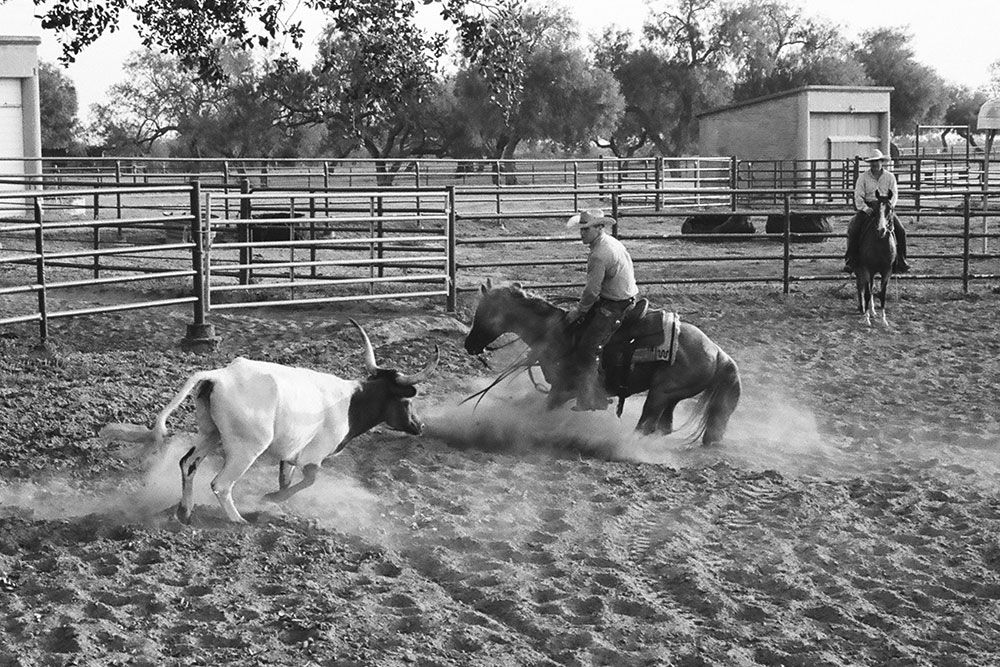
James Clement is a rancher, Marine Corps infantry officer, and senior leader at Earth Optics. His work sits at the intersection of multigenerational ranching, soil science, emerging technology, and land stewardship.
A Legacy Rooted in Texas Ranching
TXR: Can you start by sharing your background and how you came to ranching?
James Clement: I am a fifth-generation rancher from my mother's family, Beggs Cattle Company, est. 1876, this is our 150th year; and I am a sixth-generation rancher with my father's family, King Ranch, est. 1853. In addition, my grandfather, James “Jim” Clement, purchased a property in South Texas he named Los Hermanos Ranch in 1967.
In 2013, I took over management of that property, and founded our personal operation, Bloody Buckets Cattle Company with my siblings and my parents. My wife and I have grown our personal cattle operation with two partners, Dr. Poncho Ortega Sr. and Dr. Poncho Ortega Jr. We now run cows on six ranches in four South Texas counties, mostly on leased land. When we lease properties, part of what we bring to the table is to work with the rancher to develop infrastructure, engage in new opportunities like carbon credits and assist or implement wildlife management.
TXR: What shaped your experience beyond your family ranches?
James Clement: Growing up, I was able to work on every cow camp on King Ranch, and then spent years with my uncle George working cattle at Beggs. Out of college, I went to work in Australia and Florida, basically internships, 6 months in each, working at large-scale operations in Australia, Consolidated Pastoral Company, and then I worked at Deseret Cattle and Citrus in Florida.
In between ranch jobs, I enlisted in the Marine Corps Reserve and continued ranching while I served. I later earned a commission as an infantry officer, spent some years on active duty, and then transitioned back to the reserves. I’m still serving today, 18 years later.
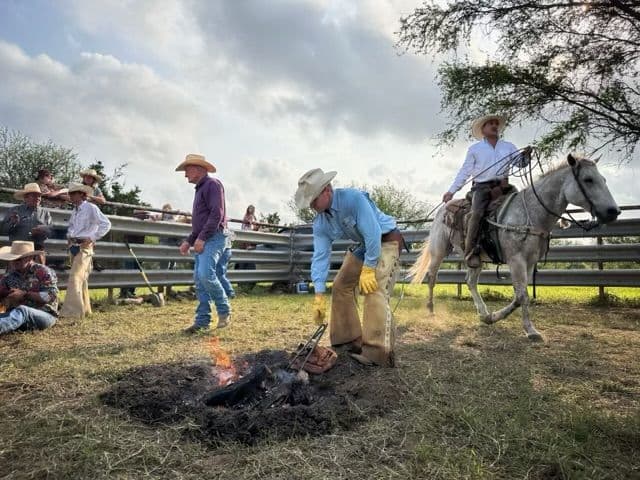
From King Ranch to Earth Optics
TXR: You also worked at King Ranch professionally. What did that entail, and how did it lead you to Earth Optics?
James Clement: I came back from Afghanistan and then went back to work at King Ranch for about 10 years. I ran the horse program until 2021, and then I spent three years as a land man.
Part of my role, especially at a place like King Ranch, went well beyond traditional landman work. It meant understanding everything that affects a working ranch from the outside, fencelines, powerlines, pipelines, but also identifying new opportunities that could fit the operation without compromising it.
One of those opportunities was soil carbon. Exxon funded a study with B-Carbon out of Houston that analyzed soil carbon across 17 ranches, from South Texas to North Dakota.
At the same time, on our family ranch, I was evaluating whether carbon credits made sense with a company called Grassroots Carbon, and it turned out the same company, EarthOptics, was involved in soil sampling and data generation for both efforts.
A few months later, I called the CEO of EarthOptics, Lars Dyrud, and asked if he knew what a landman was. I told him landmen were a big reason oil and gas scaled in this country over 100 years ago, because they built personal relationships between companies, engineers, and landowners.
I told him that agtech, soil mapping, and carbon markets would only scale the right way if they followed that same relationship-driven model with ranchers at the center.
TXR: How do you describe the role of a landman?
James Clement: I use the example of a Comanchero… somebody that spoke Comanche, English, and Spanish, and so could serve as a middleman between different parties..
It’s somebody that… speaks enough of either language where they can put in perspective: this is the opportunity, this is the impact to your land.
So the middleman between land and opportunity.

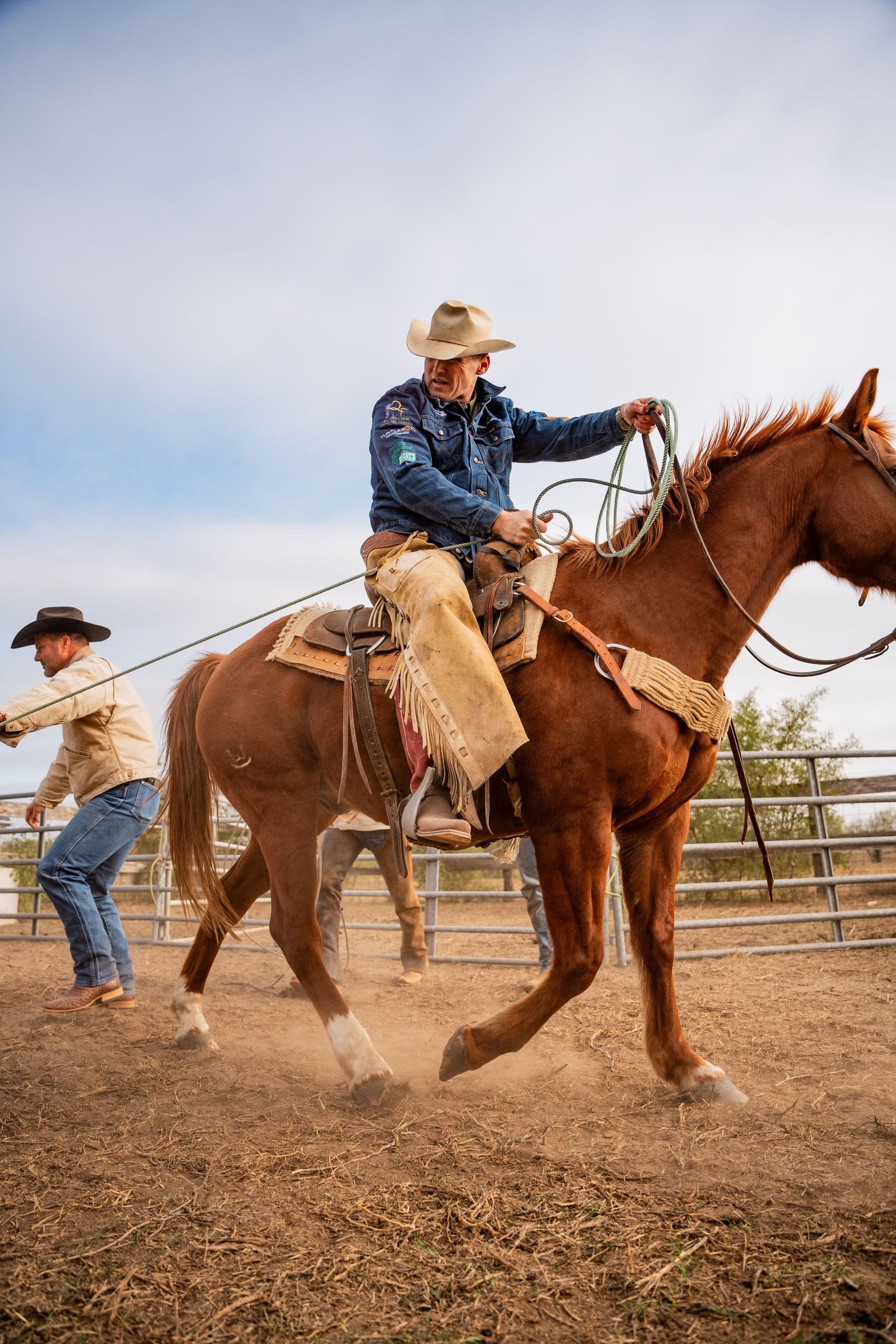
"A landman is... the middleman between land and opportunity.”
— James Clement


"A landman is... the middleman between land and opportunity.”
— James Clement
Technology, AI, and the Future of Ranch Management
TXR: What does Earth Optics do today?
James Clement: We measure soil biology, nutrients, compaction, and carbon to give farmers and ranchers the most accurate picture of what is happening below ground. That data allows them to make informed decisions that improve productivity while maintaining, and often improving, soil health. In short, we provide defensible, field-level proof of sustainable and regenerative land management.
TXR: You’ve spoken about technology helping ranchers learn faster. Why is that so important now?
James Clement: I worry about the future of ranching because the average rancher today is nearly 60 years old. We are approaching a pivotal transition as many experienced land managers retire, and the next generation may not have the time, experience, or economic margin to learn through decades of trial and error. When agriculture is less forgiving financially, that traditional path of slow, incremental learning is no longer viable, and we risk failing to carry forward the stewardship and productivity legacy of American agriculture.
Historically, ranchers could spend 10, 20, even 40 years learning and improving year over year. Today, with margins so tight, operators must quickly understand what they are doing well, what they are doing poorly, and where improvements are possible, or they simply will not survive. Our work is focused on identifying and sharing proven opportunities and lessons learned, and helping accelerate that learning curve so the next generation can succeed without having to fail first.
TXR: Where do you see AI being most useful in ranching?
James Clement: Every sample we take is teaching what we call a digital twin.
You can take an acre of land and base it on similar soil types, elevation, rainfall, history… and now you can run models and say, well, if I ran cows or specific types of crops, what is the life of productivity of that? What impacts will it have on the soil and available natural resources?
Right out the gate, you can have a better chance of success from day one.
TXR: And where do you see risks with AI?
James Clement: AI only gets better as it learns, and if you're using a platform that doesn't truly know all of the important lessons and data… then you're just getting a best-guess answer. People just have to understand that that answer might only be as good as the data the AI has.
TXR: What concerns do ranchers have about new technology?
James Clement: The biggest thing is privacy. What is the world going to know about my operation? How many cows I have, how often I rest pastures, what infrastructure I have — people don’t like others looking over their shoulder.
But that’s all easily solved. As technology’s accelerates, so has the ability to retain privacy.

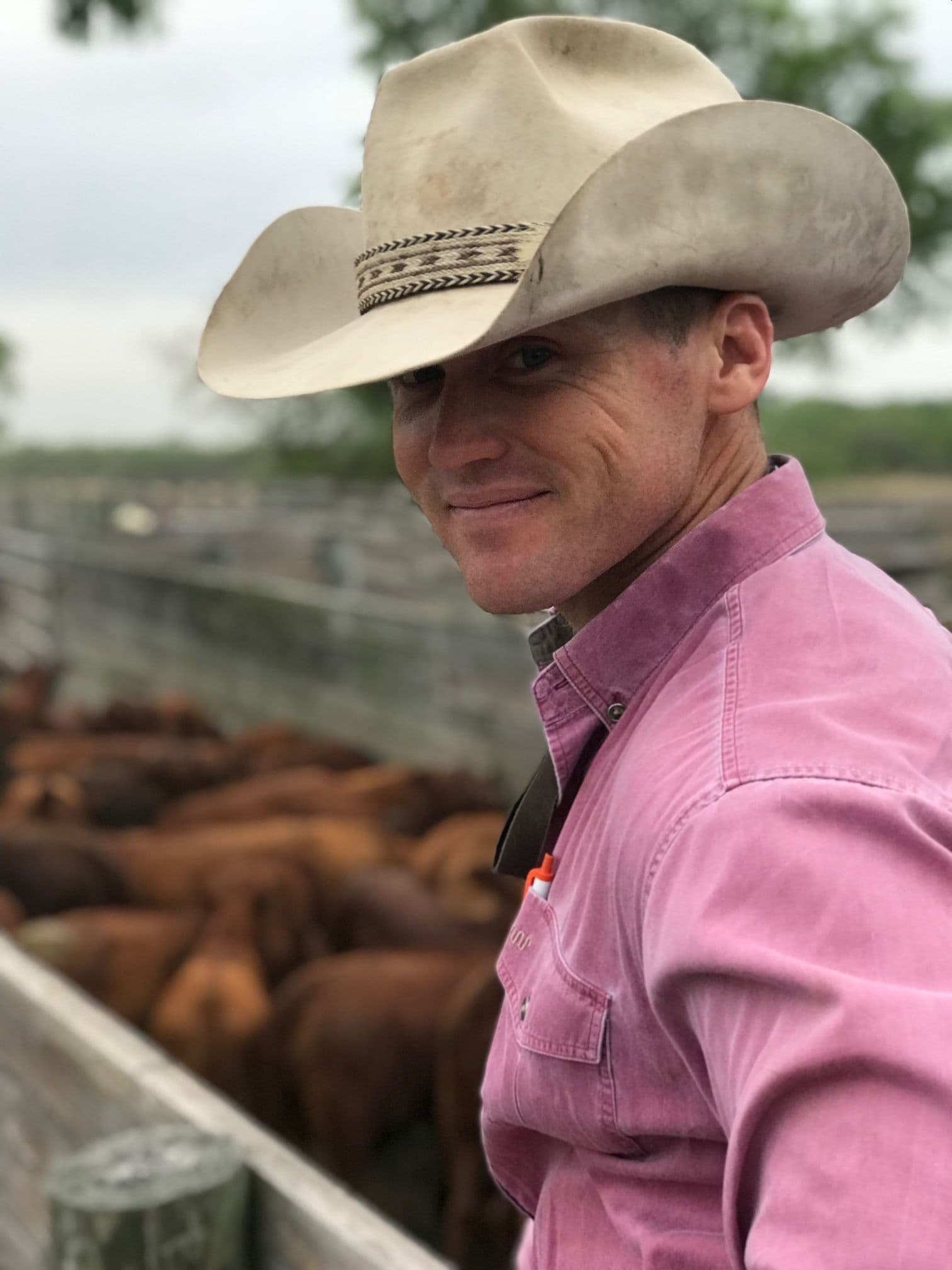
"Is the ranch better today than it was yesterday? And are you gonna try and make it better tomorrow?”
— James Clement

"Is the ranch better today than it was yesterday? And are you gonna try and make it better tomorrow?”
— James Clement

Get Texas Land Alerts
Be the first to see curated land listings from across Texas.
By signing up, you agree to receive emails from Texas Ranches. This site is protected by reCAPTCHA and the Google Privacy Policy and Terms of Service apply.
The Challenge Facing the Next Generation
TXR: How has the role of a ranch manager changed?
James Clement: The type of information a rancher must know today has evolved a lot. A ranch manager today is expected to know imminent domain issues, legal issues, landman issues, and new cutting-edge technologies. There are a lot of lessons that you just cannot learn day-to-day on a ranch that are needed by a ranch manager of the 21st century. So I would say people in agriculture might not know as much on specific parts of their operation like people in the past, but we are expected to know a lot more and we have a lot more opportunities to find answers today.
TXR: What’s the biggest challenge for the next generation of ranchers?
James Clement: The biggest challenge for the next generation is the barrier to entry. Land values, cattle prices, labor, feed, and capital costs have all risen faster than returns.
In much of Texas, agricultural land is priced at levels that imply an 80- to 120-year payback based on production alone. That means most young producers have to spend decades working before they can even begin to operate as true owner-operators, and without new pathways, that model simply isn’t sustainable.
TXR: If those economics don’t change, how can we make ranching more viable going forward?
James Clement: Ecosystem service markets, with soil carbon credits leading the way. If we don’t begin assigning real value to food and water in this country, we’ll continue to draw down those resources instead of protecting and rebuilding them.
TXR: You’ve said you’re cautious about labels like “regenerative.” Why?
James Clement: I’m cautious about labels like “regenerative” because most ranchers immediately tune out when they hear them. Over the years it’s been called sustainability, holistic management, adaptive grazing, the terminology keeps changing, but the principle hasn’t.
What it really comes down to is simple: Is the ranch better today than it was yesterday, and are you committed to making it better tomorrow? That mindset matters far more than whatever label happens to be in fashion.

Explore beyond the story
Browse listings, find businesses, or save this article for later.
 Listings
 Directory
Get the Newsletter
One reported story on Texas land, delivered free every month.
By signing up, you agree to receive emails from Texas Ranches. We never sell your address, and you can unsubscribe anytime.