

Windmills: How a Water Problem Made an Icon
Why Texas Rangeland Needed Water, Not Just Grass
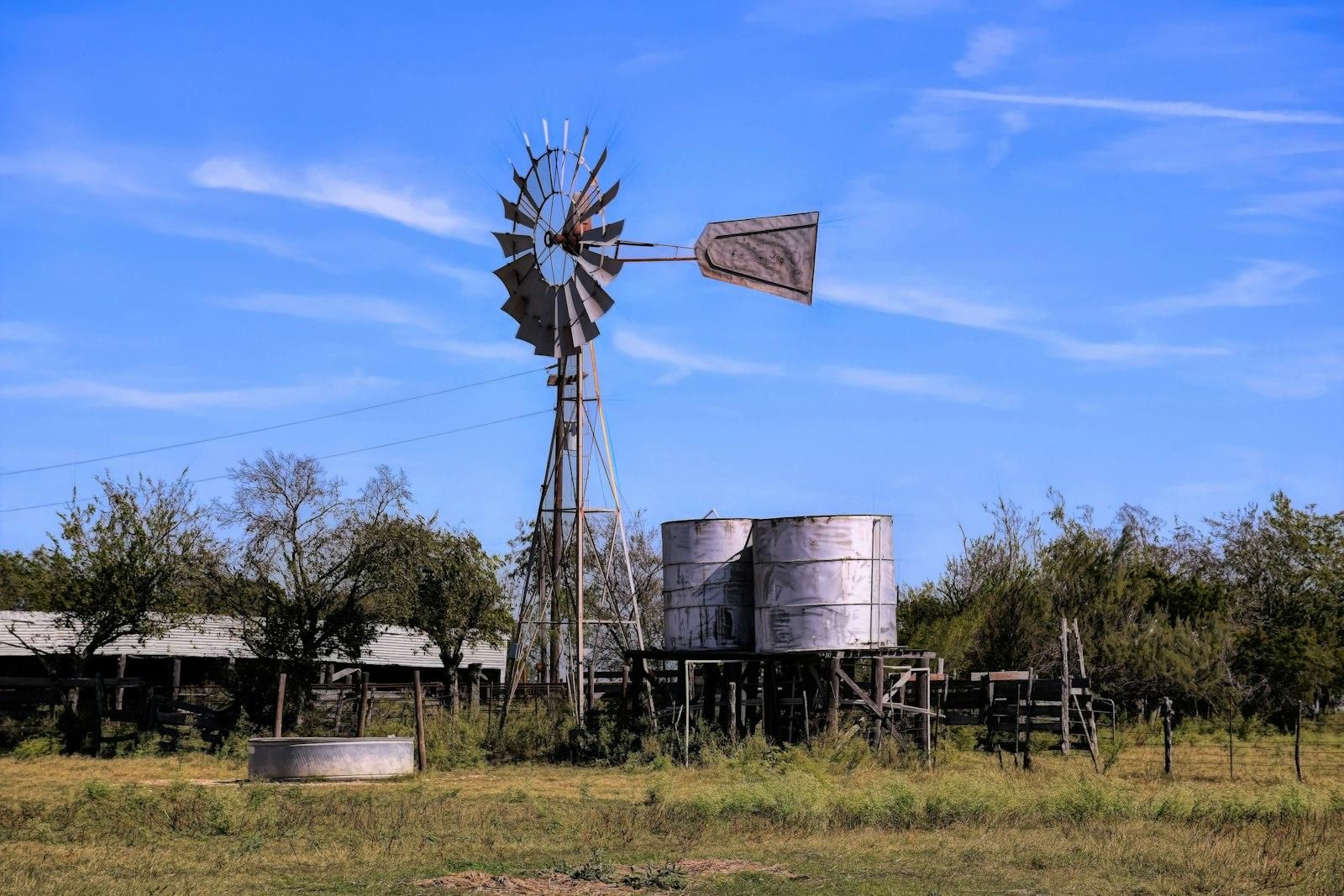
Texas rangeland could grow grass in places no rancher could use. A pasture might carry good grama and buffalo grass for miles, but if the nearest creek or spring sat five miles off, cattle wouldn't graze it. They stayed close to water and grazed that ground bare, while the interior of the range went untouched.
Barbed wire made the problem worse before it made anything better. Once ranchers started fencing in the 1870s and 1880s, the water holes, springs, and creeks got fenced too, often by whoever's land they happened to sit on.
Land on the wrong side of that fence had grass and no way to reach water. It wasn't rangeland anymore. It was just acreage.
The fix wasn't going to come from the surface. It was going to come from what sat underneath it.
How the Self-Governing Windmill Changed Ranching
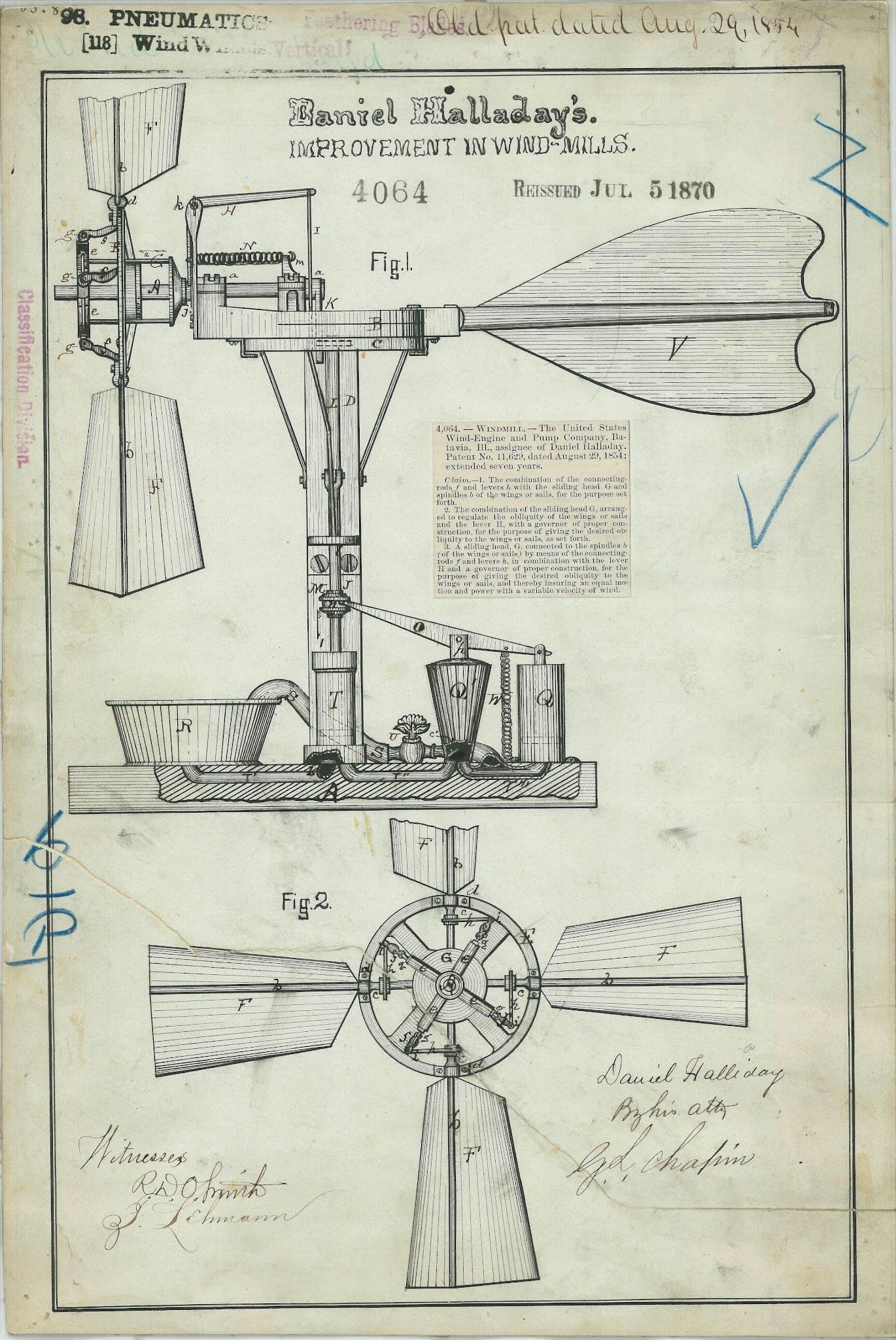
In 1854, a Connecticut millwright named Daniel Halladay solved a problem that had beaten windmill builders for centuries: how to keep a wheel from tearing itself apart in a strong wind.
His design added a hinged tail vane that swung the wheel to face the wind, and a self-regulating mechanism that used the wind's own force to turn the blades edge-on once it got too strong. Nobody had to climb up and adjust it by hand.
That fix is what made the windmill practical for open country, not just a mill pond. Halladay's design, and the ones that followed it, gave ranchers a way to:
Draw water from a well drilled anywhere there was groundwater, not just where a creek happened to run.
Run unattended for weeks at a time, adjusting itself to whatever the wind was doing that day.
Fill a stock tank on the interior of a pasture that had never held cattle before.
A rancher no longer needed a river. He needed a well and a wind.
Why Aermotor's Steel Windmill Took Over Texas
Wood-and-sail windmills spread across Texas rangeland through the 1870s and 1880s, but they didn't hold up well to Texas weather, and they needed more upkeep than a ranch crew wanted to give them.
The fix came out of Chicago in 1888, when La Verne Noyes backed an engineer named Thomas O. Perry to build an all-steel windmill Perry had spent years testing. Ranchers called it the mathematical windmill, and the new company, Aermotor, sold more than 20,000 of them in its first four years.
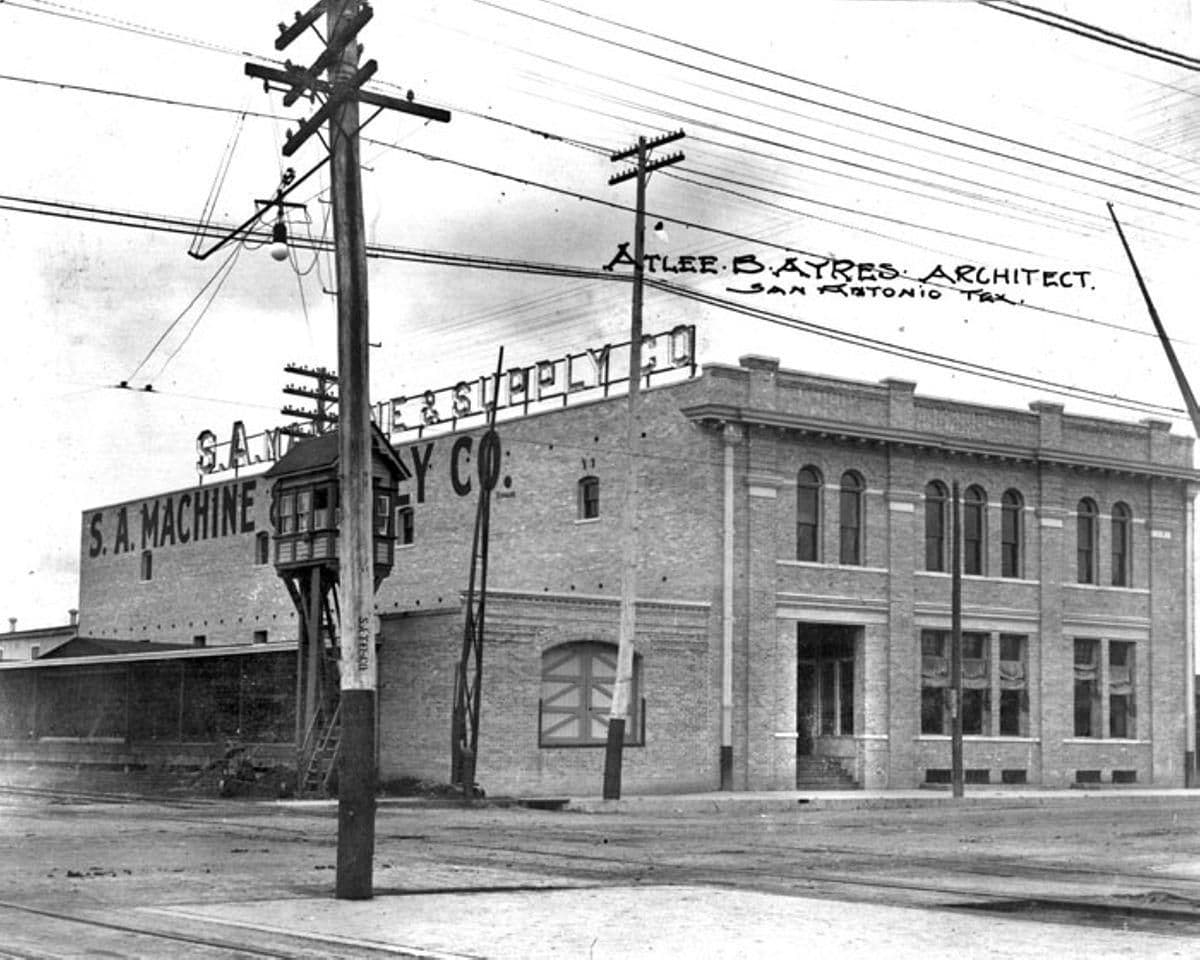
Texas built its own supply too. The Axtell Company in Fort Worth and the San Antonio Machine and Supply Company both manufactured windmills for the state's ranches, close enough to home that parts and repairs didn't require a rail shipment from Illinois.
By 1928, American factories were turning out more than 99,000 windmills a year, and roughly half the ones sold outside export markets went to Texas alone.
For the first time, a fence line didn't decide where a ranch's cattle could live. A well did.

Why Electric Pumps Replaced the Windmill
Windmills stayed the standard way to move Texas groundwater for another two generations.
That started to change around 1930, when gasoline engines gave ranchers a pump that didn't depend on wind at all, and it kept changing as electric lines reached further into ranch country over the following decades. By 1963, national windmill sales had fallen to a small fraction of their 1928 peak.
The wells didn't go anywhere. Neither did most of the windmills standing over them.
Why Texas Ranchers Still Keep Their Windmills Standing
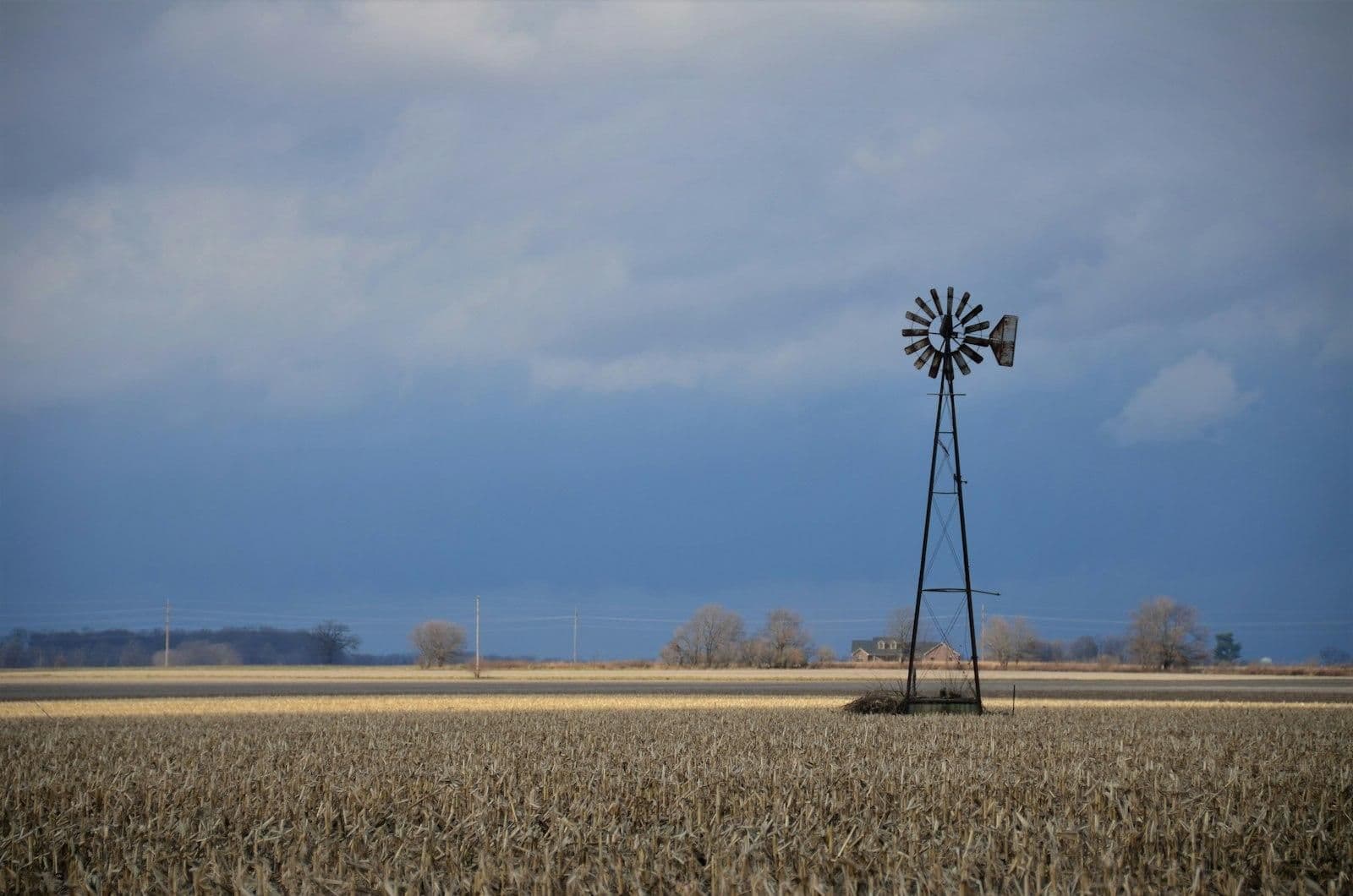
A submersible electric pump can outperform a windmill on a still day, and plenty of Texas ranches run on exactly that setup now. But drive across almost any part of the state and the windmill is usually still there, turning over a stock tank whether or not it's doing the actual work anymore.
Some of that is practical. A windmill needs no power line and no fuel, which makes it a working backup on pastures the grid never reached. Some of it is closer to loyalty: a ranch that keeps its windmill standing, working or not, is keeping the piece of equipment that made that ground usable in the first place.
The company that started it all seems to agree. Aermotor, maker of that original 1888 steel windmill, is still building them today, now out of San Angelo, under ownership by a group of West Texas ranchers. It's billed as the last American windmill manufacturer left standing.
If you're looking at land with a windmill on it, working or retired, that's worth understanding before you make an offer, not just admiring after you own it. On TexasRanches.com, you can:
Filter property listings by Water Features to see land where wells, tanks, and windmills are already marked.
Ask a TexasRanches.com broker what a specific parcel's wells, tanks, and water rights mean before you make an offer.
Explore beyond the story
Browse listings, find businesses, or save this article for later.
 Listings
 Directory
Get the Newsletter
One reported story on Texas land, delivered free every month.
By signing up, you agree to receive emails from Texas Ranches. We never sell your address, and you can unsubscribe anytime.