

Fall Cattle Work: The September Calendar
Weaning, pregnancy checks, and heifer decisions this month, against the smallest cattle herd in 75 years.
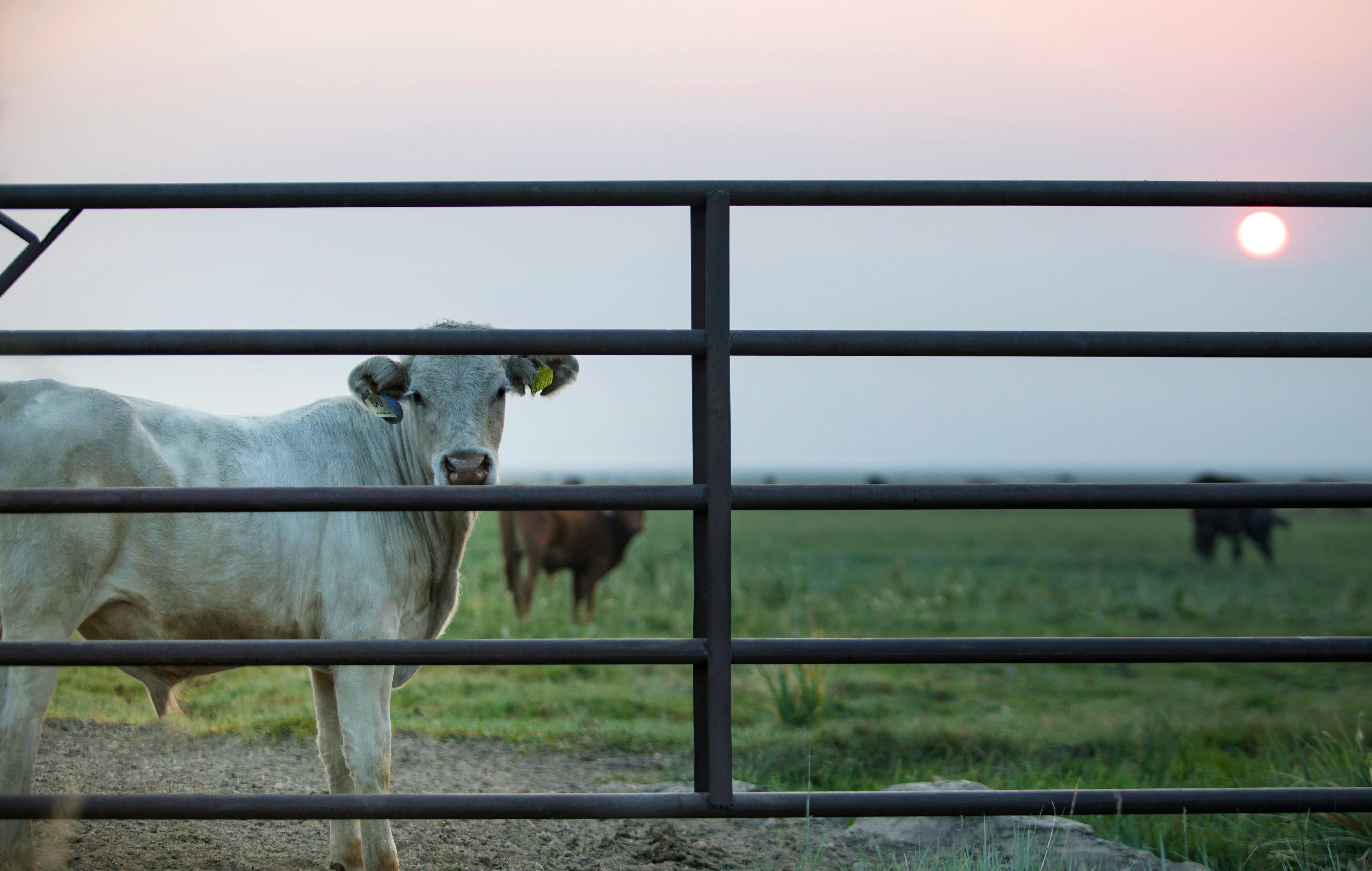
September on a cow-calf operation isn't one task. It's weaning, pregnancy checks, and heifer decisions, often stacked in the same few weeks, and this year they're happening against unusual market conditions.
The Smallest Herd Since 1951
USDA's January 2026 cattle inventory report put the total U.S. cattle and calf count at 86.2 million head, the smallest national herd since 1951, a 75-year low. Beef cows were down 1 percent year over year to 27.6 million head, the calf crop down 2 percent to 32.9 million, and cattle on feed down 3 percent to 13.8 million. CattleFax's outlook for 2026, presented at its February seminar, forecasts an average fed steer price of $224 per hundredweight, holding roughly steady with 2025's $225. An 800-pound steer is projected around $335/cwt, a 550-pound steer around $440/cwt, utility cows around $155/cwt, and bred cows around $4,000 a head.
Weaning: the Method Changes the Outcome
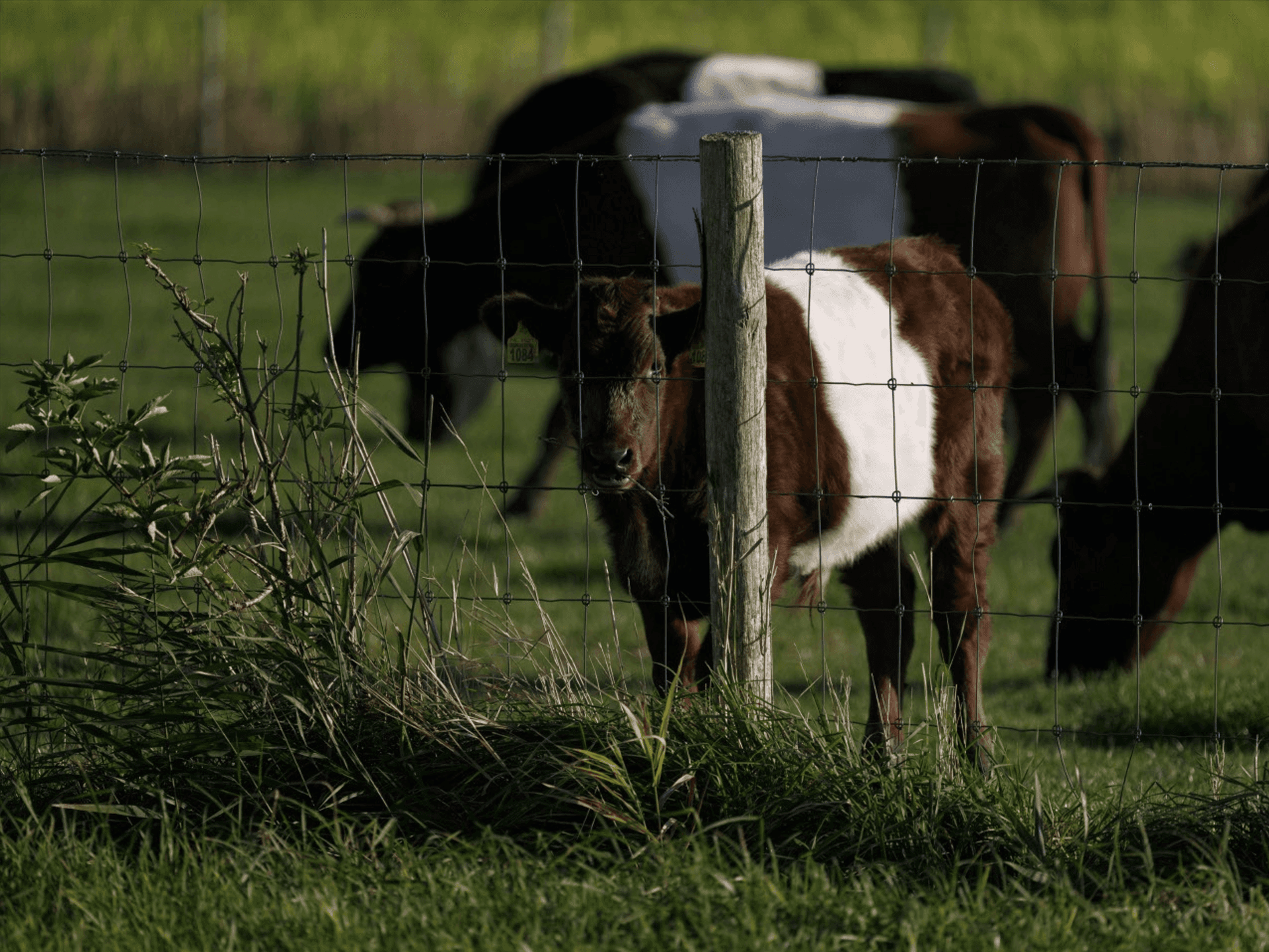
Texas A&M AgriLife Extension guidance from Dr. Ron Gill and Dr. Bruce Carpenter points to a clear difference between abrupt weaning and lower-stress methods like fence-line or nose-flap weaning. Research cited in that guidance found calves weaned across a fence line from their dams bawled 98 percent less, walked 78 percent less, ate 23 percent more, and rested 24 percent more than calves weaned the traditional way. Separate research found fence-line-weaned calves were 24 pounds heavier two weeks after weaning and 26 pounds heavier at ten weeks, compared to calves weaned by simple separation.
Pregnancy Checking: Timing Matters
How early you can confirm a cow is bred depends on the method. Rectal palpation is reliable from about day 30 after breeding. Ultrasound can detect a fetal heartbeat around day 21, though it's more consistently accurate after day 25 to 28. Blood or milk tests that detect pregnancy-associated glycoproteins, marketed under names like BioPRYN, IDEXX, and DG29, are validated starting around day 25 to 29 post-breeding and run 98 to 99 percent accurate, according to research presented at Texas A&M's Beef Cattle Short Course.
Preconditioning: Where the Math Actually Works
AgriLife guidance from Dr. Rick Machen and Dr. Ron Gill lays out a standard preconditioning protocol: a minimum 45-day weaning period, two modified-live respiratory vaccinations 14 to 21 days apart, two 7-way clostridial vaccines on the same schedule, a Pasteurella or Mannheimia vaccine at the first round, and parasite treatment, targeting 1.0 to 1.5 pounds of gain per day. Vaccine and dewormer costs alone run a minimum of $12 to $20 a head, and keeping the feed and supplement budget at or under 35 cents a head per day holds the total program cost near $25 a head, not counting pasture, interest, or labor. Their rule of thumb: if the breakeven cost exceeds the calf's weaning value by more than $5 to $8 per hundredweight, get help pricing the program before committing to it.
Heifer Retention: the Rebuild Is Just Starting
The U.S. started 2026 with 4.7 million replacement heifers, the first slight increase in nine years, according to CattleFax's outlook. In Texas specifically, cow numbers dipped by roughly 30,000 head even as producers held back an estimated 50,000 more heifers than the year before, an early signal that the rebuild is underway but still slow. CattleFax doesn't expect meaningful national herd growth until 2027 at the earliest.
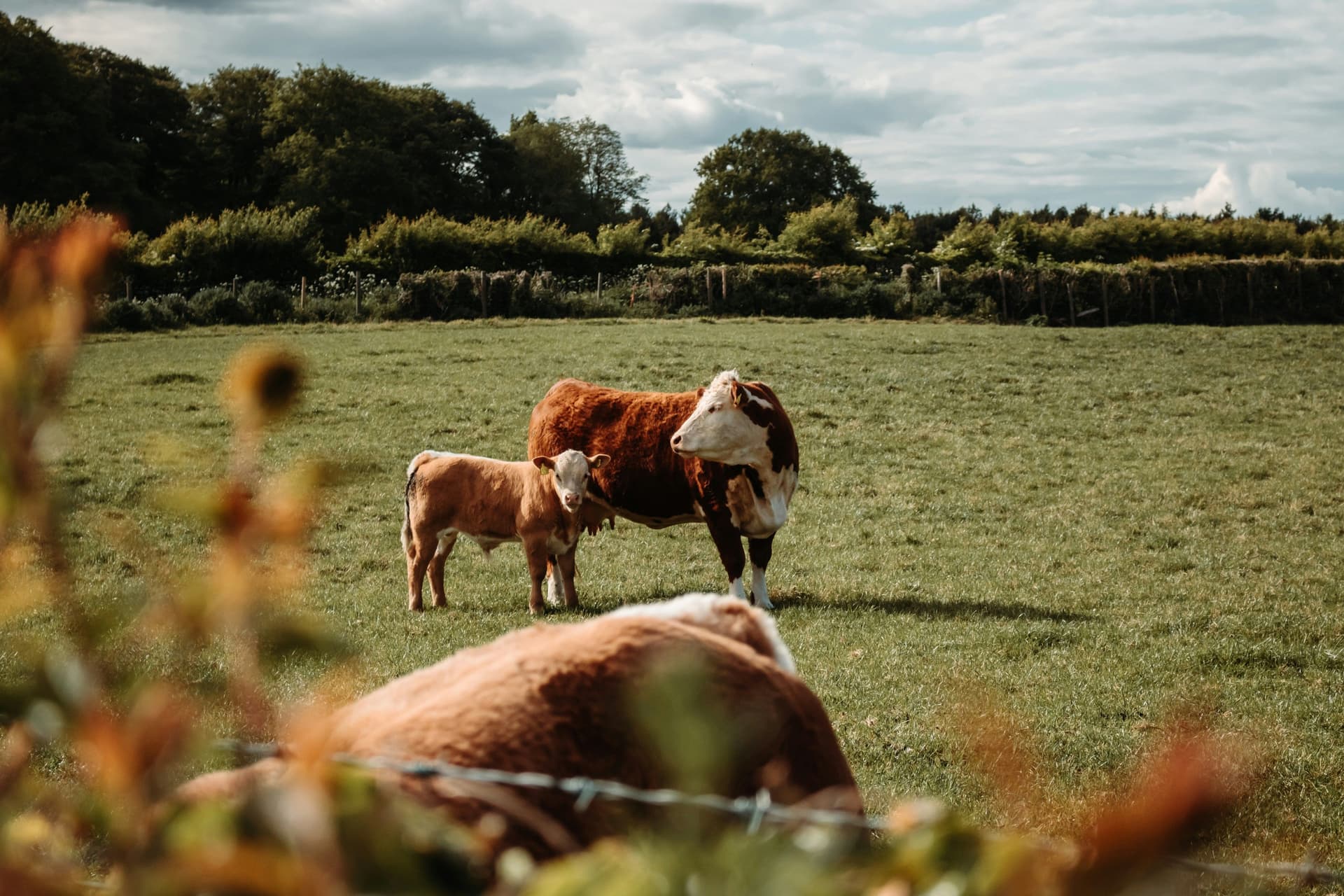
None of these decisions happen in isolation this fall. The weaning method affects how the preconditioning numbers pencil out, and that affects whether a given heifer is worth keeping instead of selling into a market this tight.

Good ranchers know we don't do this alone. This is a place to discuss everything from legacy planning, herd management, and land stewardship to innovative revenue models shaping the next generation of ranching in Texas.
Continue the Conversation on the Forum
Join the discussion with Texas landowners, ranchers, and experts.
New to TXR? Create a free account to join the conversation.
Sources
Texas A&M AgriLife Extension, Weaning Techniques for Beef Calves (Gill & Carpenter): https://agrilifeextension.tamu.edu/wp-content/uploads/2025/07/Weaning-Techniques-Ron-Gill.pdf
Texas A&M AgriLife Extension, Preparing Beef Calves for Market, ASWeb-123 (Machen & Gill): https://agrilifeextension.tamu.edu/wp-content/uploads/2025/07/Preparing-Calves-for-the-Market-Ron-Gill.pdf
Texas A&M Department of Animal Science, "Is That Cow Pregnant?" (Robert Fears): https://animalscience.tamu.edu/department-updates/is-that-cow-pregnant/
Drovers, CattleFax Provides Optimistic 2026 Price Outlook at CattleCon: https://www.drovers.com/markets/cattlefax-provides-optimistic-2026-price-outlook-cattlecon
USDA NASS, United States Cattle Inventory Down Slightly (Jan. 30, 2026): https://www.nass.usda.gov/Newsroom/2026/01-30-2026.php
AgriLife Today, Texas Beef Herd Signals Higher Prices Ahead for Producers and Consumers (Feb. 3, 2026): https://agrilifetoday.tamu.edu/2026/02/03/texas-beef-herd-signals-higher-prices-ahead-for-producers-and-consumers/
Explore beyond the story
Browse listings, find businesses, or save this article for later.
 Listings
 Directory
Get the Newsletter
One reported story on Texas land, delivered free every month.
By signing up, you agree to receive emails from Texas Ranches. We never sell your address, and you can unsubscribe anytime.