

Dove Season Prep: What August Determines
The work put into a field this month is what makes opening weekend worth showing up for.
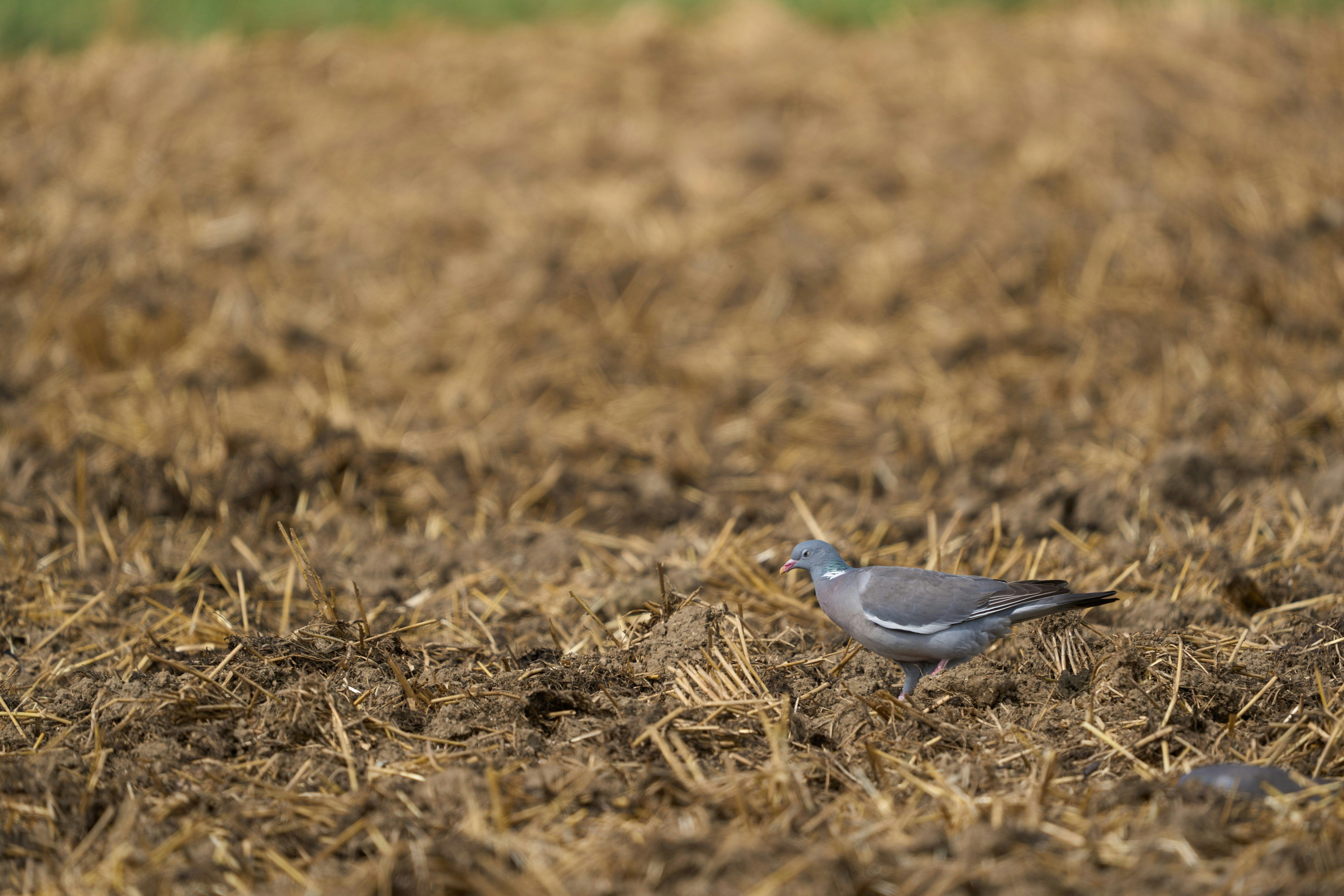
Every dove season opens on paper the same way: a date on the calendar, a legal shooting time, a bag limit. What actually decides whether that first morning is worth showing up for happens weeks earlier, out in the field, with a shredder or a disk. This year there's a change worth planning around too.
One Date, Three Zones This Year
For the 2026 to 2027 season, the Texas Parks and Wildlife Department has set all three dove zones to open on the same day: September 1, 2026. The North Zone runs September 1 through November 8, then reopens December 18 through January 7. The Central Zone runs September 1 through October 25, then December 11 through January 14. The South Zone runs September 1 through October 25, then December 18 through January 21.
That South Zone date is the real change. It's opened later than the rest of the state in mid-September for years. The Texas Parks and Wildlife Commission voted this spring to move it up so it lines up with the North and Central zones. Legal shooting hours are still one-half hour before sunrise to sunset, and hunters need a Migratory Game Bird Endorsement and HIP certification along with a hunting license.
What a Field Needs to Hold Birds
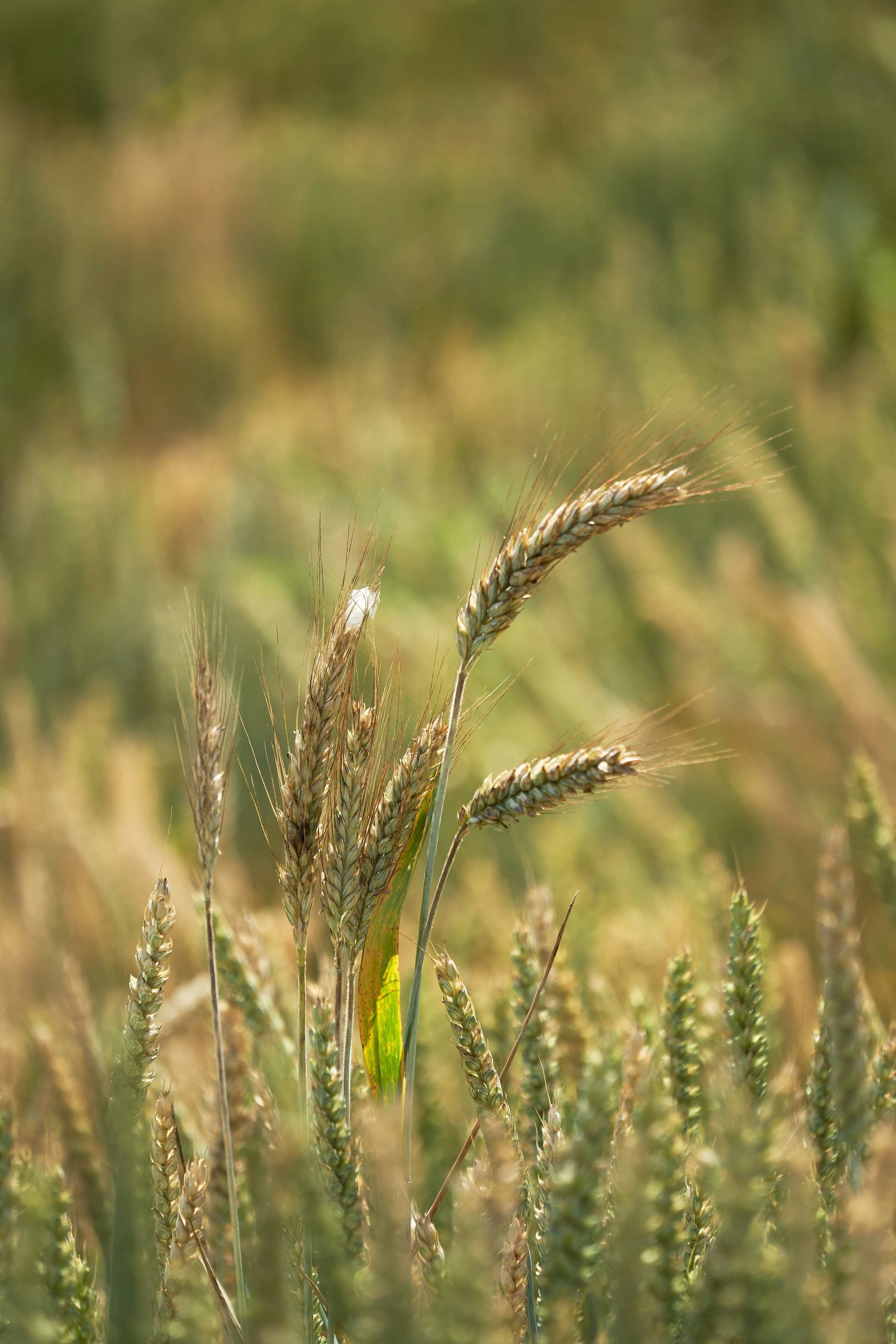
Texas A&M AgriLife Extension's guide, "Dove Management in Texas," lays out the logic behind a standing grain field. The goal isn't a clean harvest. It's keeping seed available and exposed over time. Extension guidance calls for shredding a wheat or milo field in strips as the seedheads mature, roughly every two weeks, instead of all at once, so birds have a reason to keep coming back. Discing a field right after harvest works against that, since it buries the seed doves are there to eat.
For a fallow field kept through summer just for dove season, the same publication describes a staggered pattern. Shred about a quarter of the field in mid-August, another quarter two weeks after that, a third quarter around mid-September, and leave the last quarter standing. That keeps food coming on in waves instead of all at once. Keep a mowed strip about 40 yards wide around the field's perimeter too, so hunters have room to find birds they've downed.
Water Placed With Intention
Texas A&M wildlife guidance points to something simple: the water source most likely to draw birds sits between a feeding area and a roost site, not just wherever a tank already happens to be. If the permanent water on a property is spread more than about four miles apart, adding a source in between is worth considering. Doves drink from the ground and prefer a bare, cleared shoreline. Guidance recommends keeping at least one edge of a pond or trough clear of vegetation out to roughly ten yards, and setting troughs to overflow slightly so there's damp, exposed ground nearby.
Know the Line Between Prep and Baiting
Mowing, shredding, disking, and burning a standing crop as part of normal agricultural operations is legal field management. Scattering grain that wasn't grown on the field, or manipulating it outside those normal practices, crosses into baiting, which is a federal violation. AgriLife's companion publication, "Normal Agricultural Operations and Dove Hunting in Texas," spells out that line in detail. It's worth reading before anyone sets foot in a field.
By the time hunters set up chairs before daylight on opening morning, the outcome of that hunt was mostly decided back in August. In the shred pattern across the field. In the trough somebody bothered to clear a path to.

Sources
TPWD, 2026–2027 Hunting Season Dates:
https://tpwd.texas.gov/regulations/outdoor-annual/hunting/2026-2027-hunting-season-dates
TPWD, Dove Hunting Regulations:
https://tpwd.texas.gov/regulations/outdoor-annual/regs/animals/dove
Lone Star Outdoor News, TPWD Votes for Sept. 1 South Zone Dove Opener:
https://www.lsonews.com/tpwd-votes-for-sept-1-south-zone-dove-opener/
Texas A&M AgriLife Extension / TexNat, Dove Management in Texas (B-6185):
https://texnat.tamu.edu/files/2017/02/Taylor-ea-2006-Dove-Management-in-Texas.pdf
Texas A&M AgriLife Extension / TexNat, Normal Agricultural Operations and Dove Hunting in Texas (E-569):
Texas A&M Wildlife & Fisheries Sciences, Doves:

Good ranchers know we don't do this alone. This is a place to discuss everything from legacy planning, herd management, and land stewardship to innovative revenue models shaping the next generation of ranching in Texas.
Continue the Conversation on the Forum
Join the discussion with Texas landowners, ranchers, and experts.
New to TXR? Create a free account to join the conversation.
Explore beyond the story
Browse listings, find businesses, or save this article for later.
 Listings
 Directory
Get the Newsletter
One reported story on Texas land, delivered free every month.
By signing up, you agree to receive emails from Texas Ranches. We never sell your address, and you can unsubscribe anytime.