

Data Centers Are Coming to Rural Texas: What Landowners Should Know
What the buildout needs from your county, and what to ask before you sign.

The rezoning notice reads like boilerplate until you get to the acreage. Outside Lockhart this year, farm families watched survey crews stake ground for a computing campus next to land that has grown crops for generations, and versions of that scene are repeating in rural counties across the state. Texas now leads the country in data center development, and the buildout has left the suburbs.
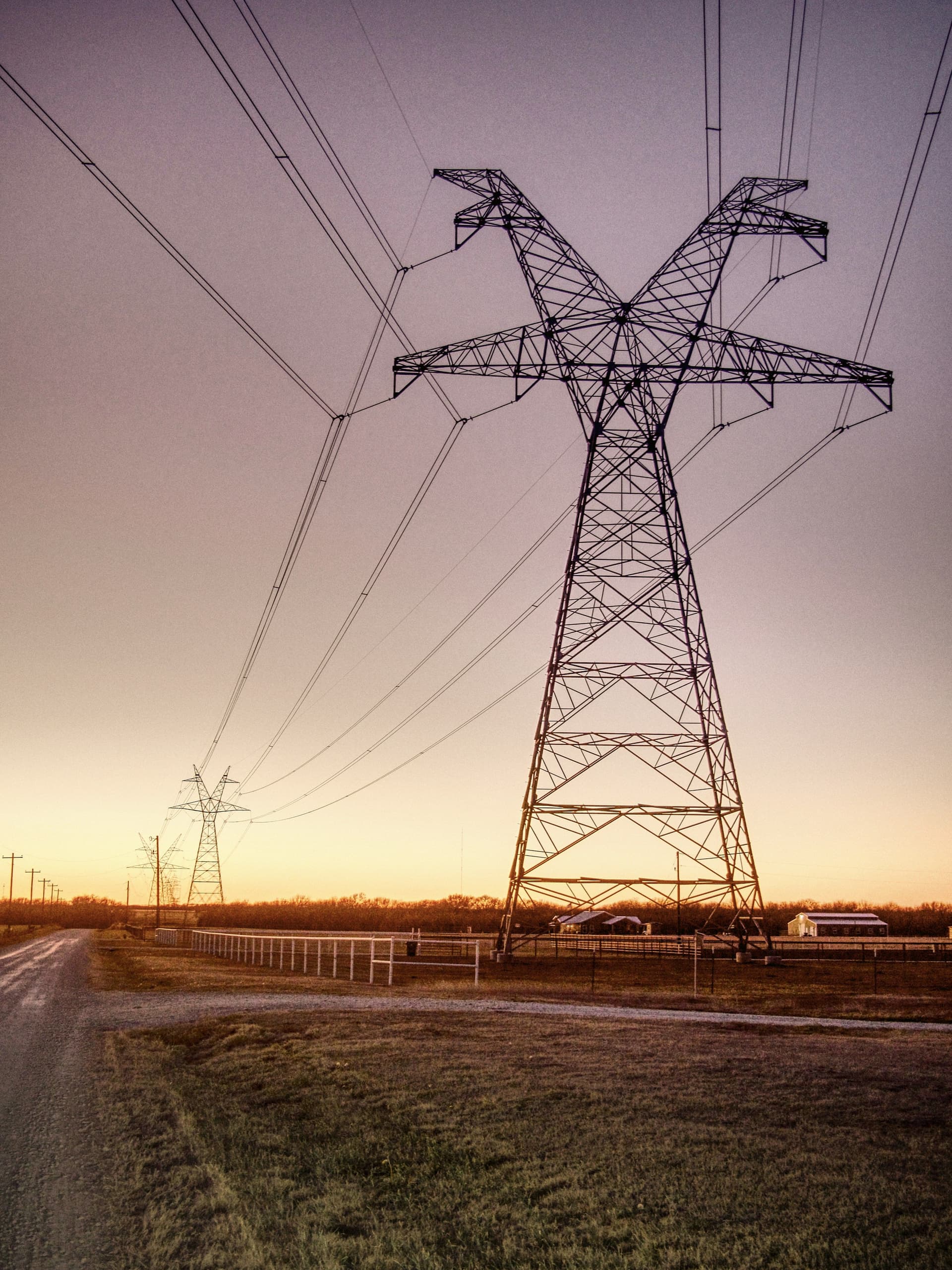
A data center needs three things from a county: land, power, and water. The land it buys or leases. The power arrives on transmission lines that may cross your place to reach it. The water is the question nobody has fully answered, and the answer decides what this industry means for the people already living there.
What is actually known about the water
In 2025, data centers used a small fraction of the state's water, on the order of half a percent. A University of Texas at Austin study projects that share could reach 9% by 2040 if the buildout continues on its current path. Between those two numbers sits a question the public record cannot yet answer, and the state's attempts to ask have a short history:
- The Public Utility Commission surveyed data centers on water and power use in 2024. Roughly a third of companies responded.
- It asked again in 2025. Seventeen percent responded.
- The survey reopened this July, with lawmakers publicly pressing for better response rates.
That gap matters because cooling design is a choice. A closed-loop facility can run on a comparatively modest water budget. An evaporative-cooled campus can draw on the scale of a small city. Same industry, same county, radically different demands on the aquifer you share.

What landowners who handle this well establish early
Some Texas landowners will be approached with offers: an option on acreage, a transmission easement, a water supply arrangement. Others will simply get new neighbors. Either way, the ones who come out ahead settle the same questions before anything is signed or any hearing is missed.
The cooling question. Ask, in writing, what cooling technology is planned and what the facility's projected daily water use is at full build. If a written answer is not available, treat the water question as open and weigh the rest of the offer accordingly.
The source question. Municipal supply, new wells, or purchased groundwater rights. If wells, learn what your groundwater district can and cannot regulate, and what registration or permitting the project requires.
The easement question. Power reaches the campus through somebody's land. If an agent approaches you about a route, the offer document deserves a lawyer before it deserves a signature. Route offers are negotiable on width, access terms, and damages in ways first drafts never volunteer.
The tax question. Abatement agreements decide what the county actually gains. These are public processes with public comment periods; the calendar is worth watching.
The exit question. Facilities have lifespans. Decommissioning terms, in writing, decide what the site becomes when its working life ends, and they cost nothing to ask for now.
What the county gains, and what it gives
The fiscal pitch for a data center is straightforward: an enormous taxable improvement on land that was generating little, often with few demands on schools. The complication is that the biggest projects rarely pay full freight. Abatement and incentive agreements, negotiated before construction, decide how much of that taxable value the county actually collects and for how long.
Those agreements are public business conducted on public calendars, and they are where a county's leverage lives. The construction jobs are real but temporary; the permanent headcount of a finished facility is modest, and both facts belong in the negotiation alongside the tax base the project genuinely brings. Residents who show up during the comment period are part of that arithmetic, whichever way they want the vote to go.
If you were not approached
Most landowners near a project never get a call, because the company already has its land. What they get is a neighbor with a large water appetite and a construction season. The single most useful thing an unapproached neighbor can do is establish a baseline: a measured, documented well level and water quality test before ground breaks.
A baseline turns a future argument into a comparison. If your well drops two years after the campus comes online, a documented starting point is the difference between a grievance and a case. Your groundwater district can tell you what monitoring it does in your area and what it would want from you; that conversation costs an afternoon.

Where this lands
The buildout is not inherently good or bad for rural Texas. It is a set of contracts, and contracts reward the side that understood them first. The companies arrive with counsel who negotiate these agreements weekly. Landowners can level that ground with one decision: nothing gets signed, and no hearing passes, without review by someone who works these agreements for landowners.
Explore beyond the story
Browse listings, find businesses, or save this article for later.
 Listings
 Directory
Get the Newsletter
One reported story on Texas land, delivered free every month.
By signing up, you agree to receive emails from Texas Ranches. We never sell your address, and you can unsubscribe anytime.