

Choose the Broker Before You Choose the Land
What separates someone who can close the deal from someone who can help you choose the right land.
Buying land in Texas is not like buying a house. The process looks similar on paper: listings, offers, closings. But the knowledge required to do it well is built over years of working a specific kind of land in a specific part of the state. Without the right guide, it's easy to move quickly and miss what matters.
That's not a reason to hesitate. It's a reason to choose carefully who you work with.
What's actually at stake
A ranch purchase involves layers that a typical residential transaction doesn't. Water access, mineral rights, ag exemptions, easement history, soil quality, brush management. Each one can affect the value of the land, your ability to use it the way you intend, and what you'll spend after closing.
Miss one of them, and the consequences tend to show up later, not at the table.
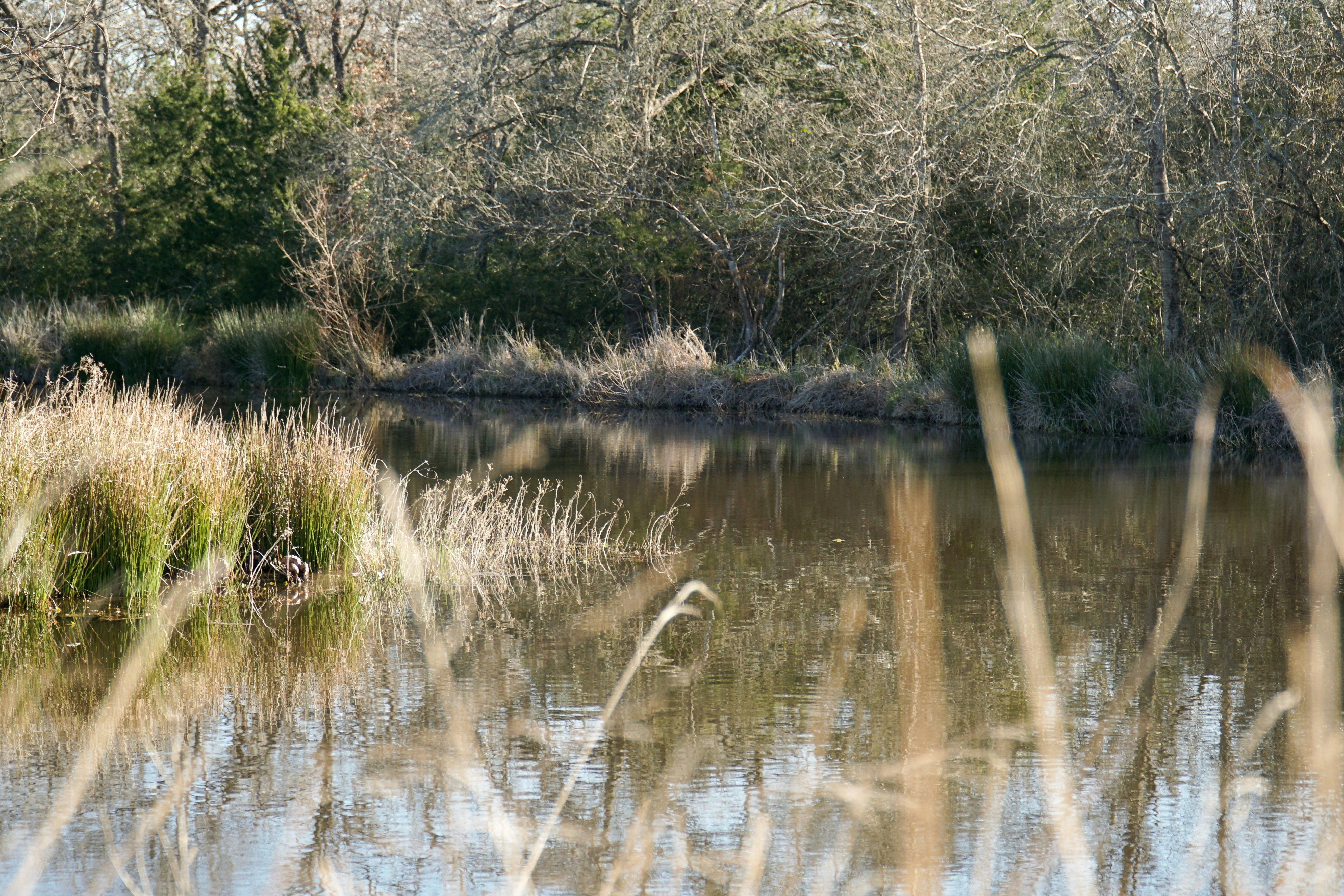
A stock tank that looks full in spring can run dry by August
An ag valuation that lapses can trigger rollback taxes for the three prior years, plus interest, on top of a higher annual bill
A severed mineral estate means someone else may have rights beneath your land
An undisclosed easement can limit what you build and where
None of these are reasons to walk away from a great piece of land. They're reasons to walk in with someone who knows what to look for.
What a land broker actually knows
A land broker who has spent years working rural transactions in Texas brings a different kind of preparation to the table. Their knowledge is built county by county. They've walked properties in the counties you're considering. They understand the groundwater districts, the local title quirks, the market conditions that determine whether a listing is priced right.
The best land brokers can tell you things that don't show up in a listing:
Which regions have the most reliable water and which rely heavily on trucked-in supply
How to evaluate a property's carrying capacity for cattle, game, or both
What a realistic brush management plan looks like for a given parcel
How to structure an offer that accounts for mineral rights, water rights, and easements
Which local surveyors, title companies, and lenders understand rural deals
That's the difference between someone who can legally close the transaction and someone who can help you make a sound decision before you ever make an offer.
What land ownership in Texas can look like
Done well, buying land in Texas is one of the more rewarding things a person can do. A well-chosen property in the right region can support a cattle operation, a hunting lease, a family compound, or simply a place that holds its value and gives you somewhere to go that feels like it belongs to you.
The people who get there, who buy the right land at the right price and know what to do with it, almost always have someone in their corner who understands the process from the inside.
That's what a good broker makes possible: a decision you can feel settled about.
What to look for in a land broker
Not all land brokers are the same. When you're evaluating who to work with, a few things are worth asking directly:
Regional experience: Which counties do they know well, and how many rural transactions have they closed there in the past two years?
Transaction depth: Have they worked deals involving severed mineral rights, ag exemptions, water access disputes, or easement issues?
Local network: Do they have relationships with surveyors, title companies, and lenders who specialize in rural property?
Credentials: The Accredited Land Consultant (ALC) designation through the REALTORS® Land Institute requires documented transaction history and formal training. It's a useful signal, though not the only one.
The answers will tell you quickly whether their experience matches what your transaction requires.


Good ranchers know we don't do this alone. This is a place to discuss everything from legacy planning, herd management, and land stewardship to innovative revenue models shaping the next generation of ranching in Texas.
Continue the Conversation on the Forum
Join the discussion with Texas landowners, ranchers, and experts.
New to TXR? Create a free account to join the conversation.
Explore beyond the story
Browse listings, find businesses, or save this article for later.
 Listings
 Directory
Get the Newsletter
One reported story on Texas land, delivered free every month.
By signing up, you agree to receive emails from Texas Ranches. We never sell your address, and you can unsubscribe anytime.