

“Conservation Capitalism”
with Jonathan Lusk of BirdDog
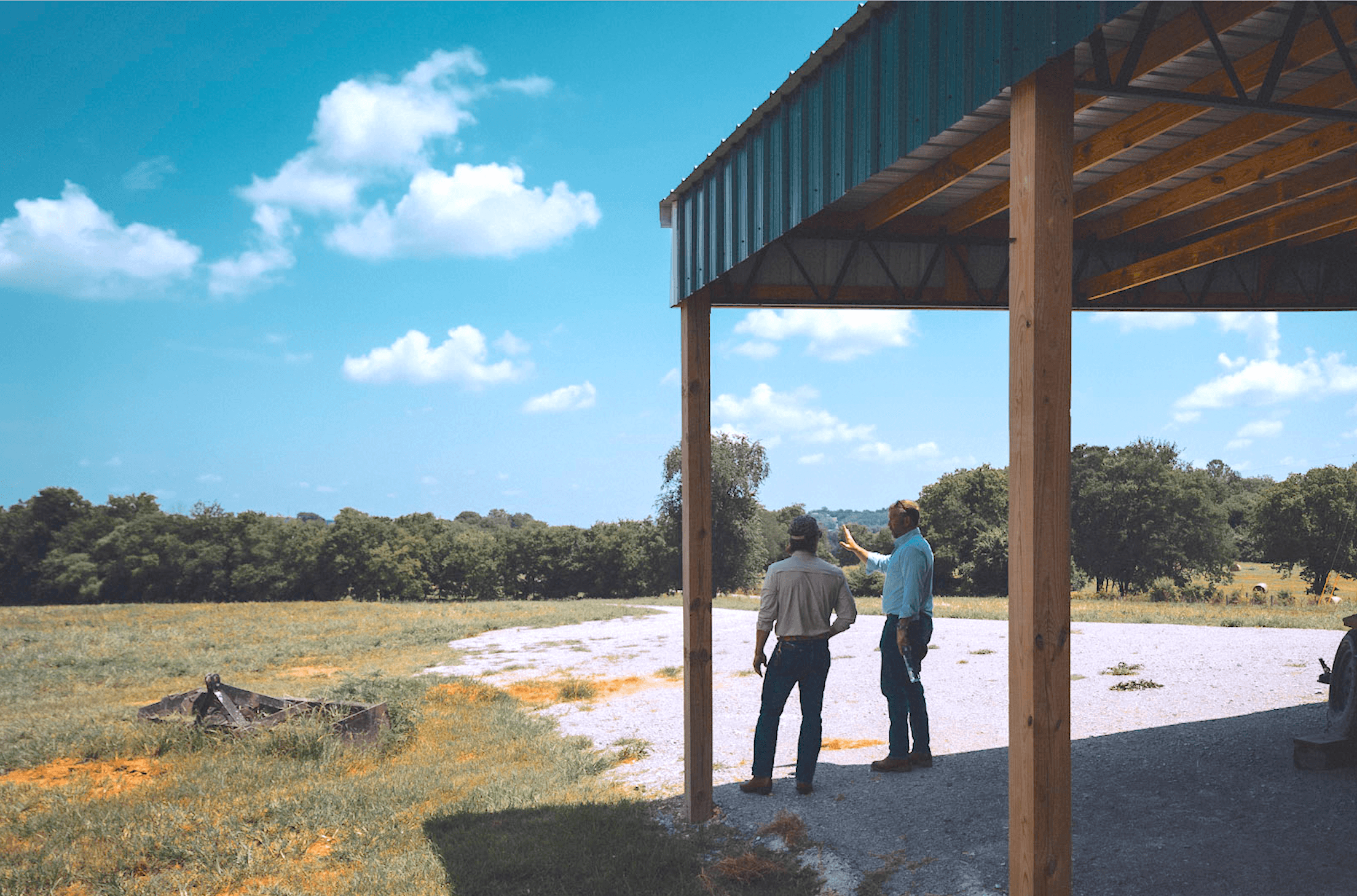
TXR sat down with Jonathan Lusk, founder of BirdDog, to talk about conservation capitalism and the future of working land. From family legacy to the practical realities of keeping land viable, the conversation reflects what’s at stake for ranch owners today.
Texas Ranches: Where did you grow up, and how did land first become part of your life?
Jonathan Lusk:I grew up in a little town in North Texas called Whitesboro. It’s up in Grayson County. My father is a fisheries biologist, so we grew up taking care of lakes and ponds on ranches in Texas. I went to Texas A&M and got an agricultural development degree, met my wife there, and then I went to Rice for business school and worked for Goldman Sachs in Houston. In the meantime, we had three kids, and I started an investment management shop where I was running money for about 20 big families here in Texas, most of whom had ranches.
Texas Ranches: So this was your gateway into the ranching world?
Jonathan Lusk: Yeah, most of my clients had ranches, and I saw them as an asset that was losing money. They needed to cover operational expenses—property taxes, feed bills, and insurance.
I was talking to a client and he said, “Lusk, I need you to not just manage my money, but do my taxes and manage my ranch in Terlingua.” I told him I don’t do any of that. He said, “Just double my fee.” I said, “you’re going to pay me a lot…I’ll do it, I’ll figure out ranch management.”
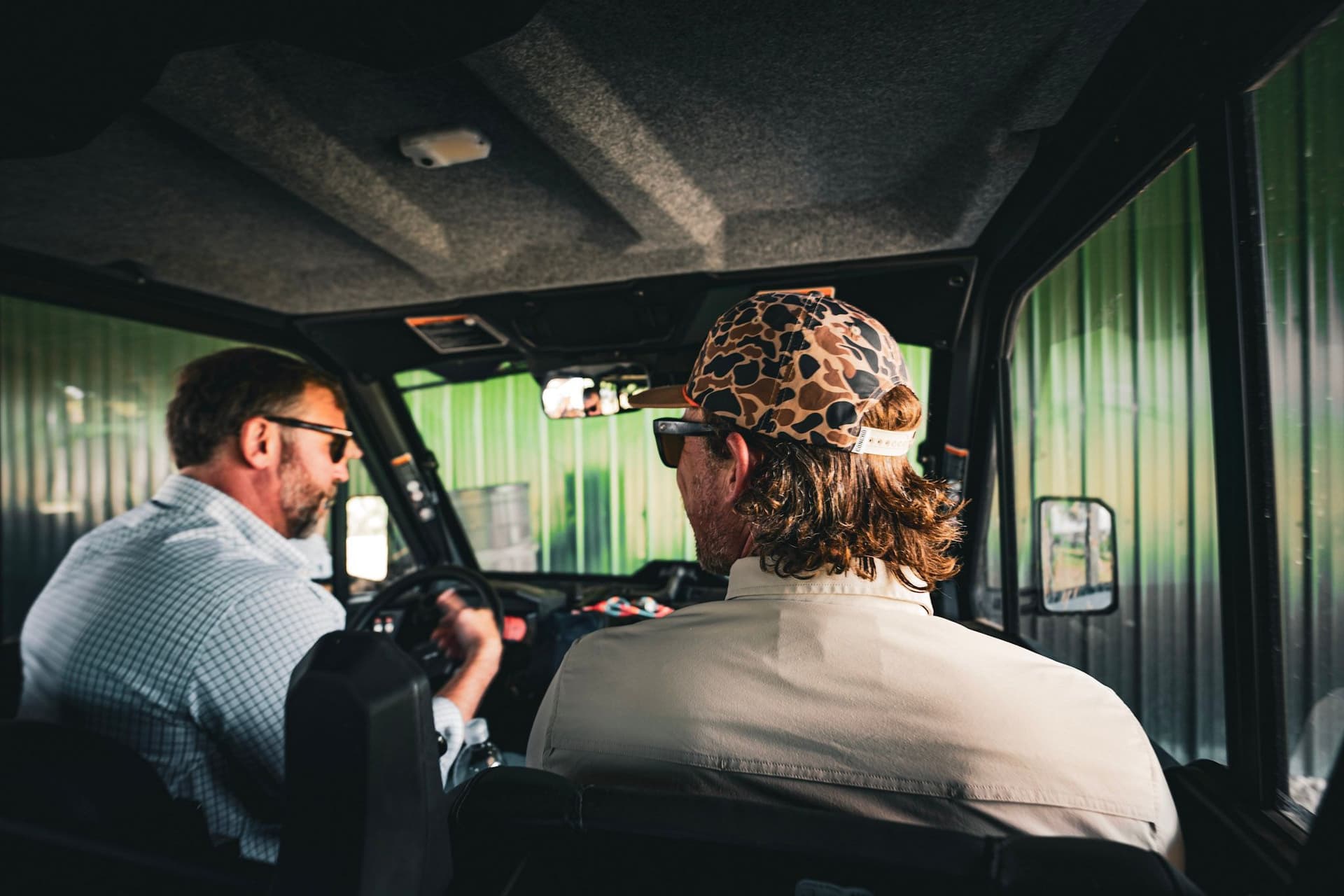
Texas Ranches: Is this when the idea for BirdDog first started taking shape?
Jonathan Lusk:Yeah, I was looking for some kind of listing site for hunting to put his ranch on, because there’s really good aoudad hunting in West Texas. There was no Airbnb for hunting. He gave me a long talk about how I was wasting my life and needed to start this. He gave me capital to start it, and the next month I was hunting with Colt McCoy and he was like, “ I heard you talking about BirdDog. I love it. I want to invest.” So Colt was my second investor.
Texas Ranches:Tell us about the early stages of launching the company?
Jonathan Lusk: We raised a bunch of capital, and we went to ten commercial hunting operations. We took photos of the ranches, talked with a biologist to understand what game we could hunt, and then we put it on the website.
It went gangbusters, and people started signing up. We started the company in 2022. About 80% of our customers were corporate hunting groups, and their travel and entertainment budgets started getting cut because interest rates were going up.
Someone might have gone on a pheasant hunt in South Dakota, but their budget wasn’t there in 2022, so we could take them on a quail hunt in the Panhandle.
Texas Ranches: What was the early feedback you received from your first customers?
Jonathan Lusk: After the hunt, it wasn’t like, “Man, this is really cool.” It was always like, “This was life-changing for me.”
We started doing a lot of hunter’s education for kids, and then the moms and dads would come. Dads especially are like, “I know what I’m doing,” and you’re like, “No, you don’t, and neither do I, so we’re going to learn together.”
Then we’d have these father-son hunts, which, in addition to the corporate hunts, were really big for us.
Texas Ranches: How did the time and emphasis you gave to developing relationships with landowners payoff?
Jonathan Lusk: As we continued to build trust with landowners, we better understood their needs.
We found out about a tax code called Section 180. You can take the excess fertility in your soil and capitalize it as an asset, similar to buying a barn or depreciating a fence.
If you’re farming or ranching and you bought a property in the last ten years and don’t plan to sell it, you can get anywhere from $500 to $2,000 an acre in a deduction. Not everybody knew about this.
So we started aggregating all these landowners’ taxes and grants that they qualify for.
Texas Ranches: There’s a real responsibility that comes with facilitating access to ranch land. How do you think about that?
Jonathan Lusk:We match the farmers and ranchers with the landowners based on their values. So it’s not, like, who’s the highest bidder, but it’s like, this is a fifth-generation farmer, you know, in the Texas Panhandle, and here’s what he or she cares about.
And then maybe you go, I want to support that fifth-generation farmer… I would take $200 an acre, knowing that I’m supporting that family.

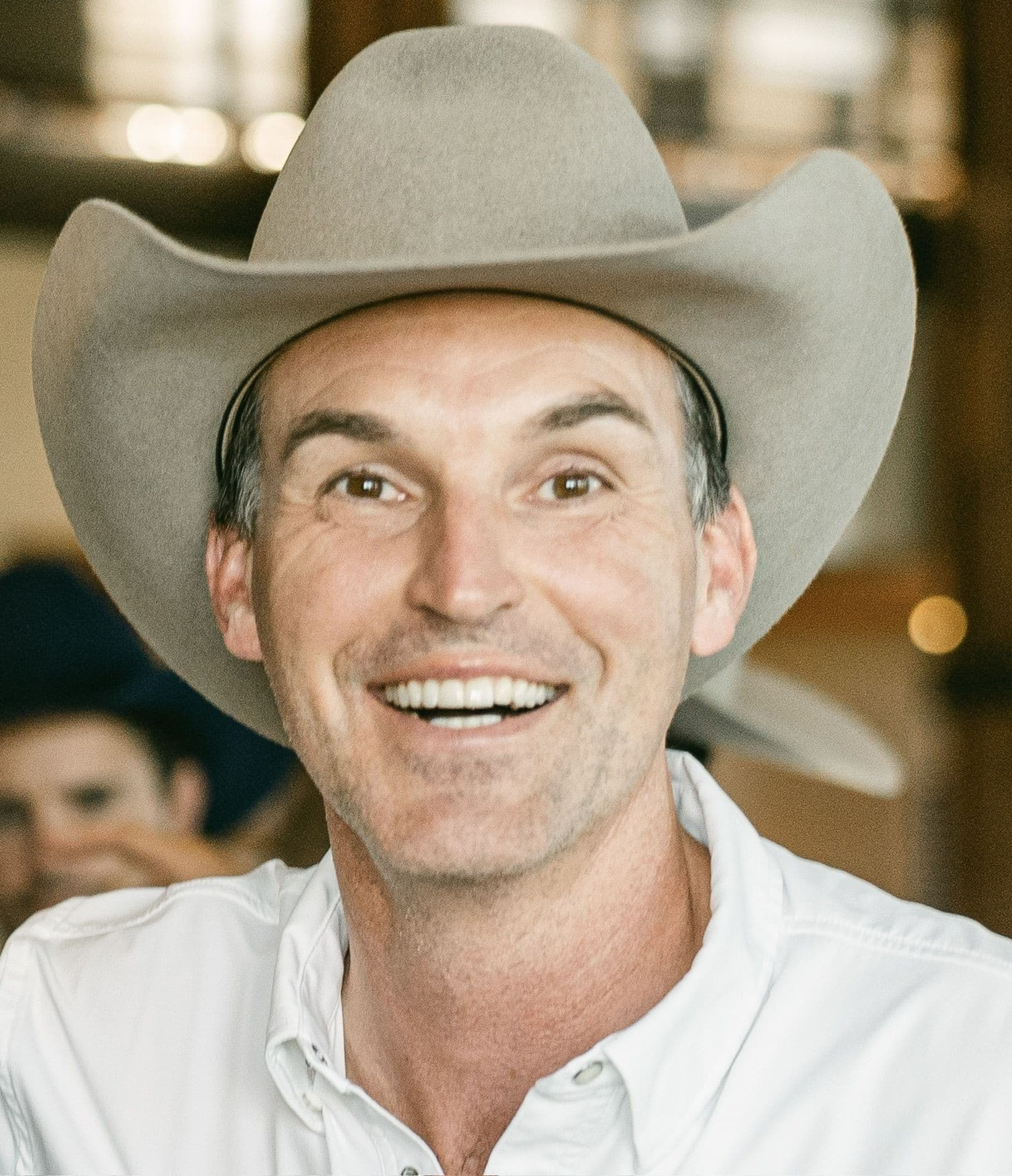
“Our products and services will bring conservation and capitalism together, where you can make money and keep places wild.”
— Jonathan Lusk

“Our products and services will bring conservation and capitalism together, where you can make money and keep places wild.”
— Jonathan Lusk
Texas Ranches: How do you describe BirdDog today?
Jonathan Lusk:Amazon started selling books, and we started selling hunts. Then they started selling DVDs, and we started aggregating taxes.
The same marketplace we built for hunters, we’re building for farmers and ranchers. The heart of it is we want to keep wild places wild, and if we can generate enough income for them, then it’s a better alternative than what a developer would offer them.
We also coined the phrase conservation capitalism.
Texas Ranches: That’s a powerful phrase, what does it mean to you?
Jonathan Lusk:Those two terms are typically mutually exclusive. If I want to be a conservationist, it’s going to cost a lot of money. If I’m a capitalist, I’ve got to deplete the earth.
We think our products and services will bring those two together, where you can make money and keep places wild.

Texas Ranches: When landowners talk to you about legacy, what opportunities and challenges often arise?
Jonathan Lusk:The land is tied to their legacy, and you have multiple generations who are impacted by this land. The issue is you’ve got three generations of people making decisions. The older generations are very relationship-driven. The younger generations are very tech-savvy. They have to make decisions together.
If you can generate anywhere from $50,000 to a million dollars a year to cover operating costs, it solves a lot of problems.
You want your grandkids to get the experience. To hear the stories—this happened in this kitchen, here’s where we sat by the campfire, here’s our first deer. Those things are multi-generational. That’s what we’re bottling and selling.
Texas Ranches: Where is BirdDog headed next?
Jonathan Lusk: We’re in 29 states, Mexico, Argentina, and Africa right now.
Our goal is to make it easy for landowners to understand what they own, what it’s worth, and what options they have. You have the option, but not the obligation, to do any of these things.
I can use my laptop from Austin to manage my 3,000 acres in Pearsall.


Built on Relationships, Not Transactions
TXR partners with professionals who value integrity, expertise, and lasting impact across generations of land ownership.
Explore beyond the story
Browse listings, find businesses, or save this article for later.
 Listings
 Directory
Get the Newsletter
One reported story on Texas land, delivered free every month.
By signing up, you agree to receive emails from Texas Ranches. We never sell your address, and you can unsubscribe anytime.