

Beekeeping and the Ag Exemption
Six hives is the number everyone repeats. It's worth knowing where that number actually comes from, and where it doesn't apply.
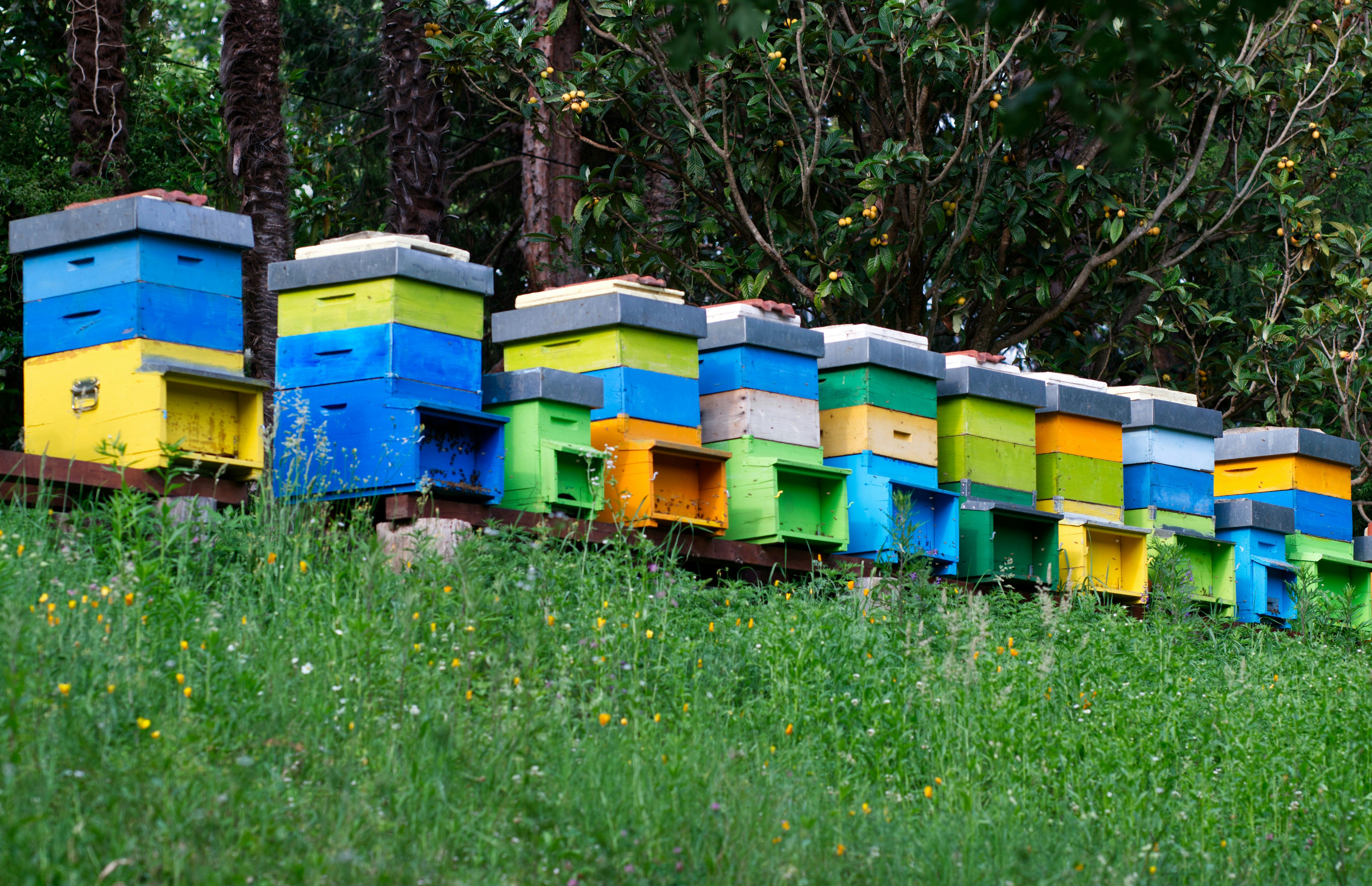
For landowners sitting on 5 to 20 acres, beekeeping is one of the few paths to an agricultural, or open-space, valuation without running cattle or cutting hay. But the rules are more particular than the “six hives” rule of thumb suggests, and they don't work the same in every county.
What State Law Actually Says
Texas Tax Code Section 23.51(2) defines agricultural use to include keeping bees for pollination or for producing honey, wax, or other products with commercial value, but only on a tract that is not less than 5 acres and not more than 20 acres. That acreage window is the one firm rule set at the state level. The tax code itself does not specify a number of hives.
Where “Six Hives” Actually Comes From
The commonly cited six-hive minimum traces back to a different statute: the Texas Agriculture Code's old definition of an “apiary” as a place where six or more colonies of bees are kept. A number of county appraisal districts built their beekeeping guidelines around that figure. That specific “six or more” language got removed from the Agriculture Code in 2023 under House Bill 4538. The current definition just reads that an apiary is “a place where colonies of bees or nuclei of bees are kept,” with no set number attached. Some county guidance documents published even after that change still cite the older six-hive language as their basis, so it's worth checking if a rule you're handed seems out of step with current law.
The County Line Changes the Math
Because state law sets a broad acreage window without a statewide hive count, each appraisal district publishes its own bracket for how many hives are expected per acre. A few examples, drawn directly from published county guidance:
Gillespie County: 6 colonies minimum on 5 acres, adding one hive per additional 2.5 acres, up to 12 hives at 20 acres, with hives required on-site at least 7 months a year.
Travis County: 6 active hives on 5 acres (6 acres if a homestead sits on the tract), adding one hive per additional 2 acres.
Hays County: the same 5-acre, 6-hive starting point, adding one hive per additional 1.5 acres, with a 9-month on-property requirement.
Williamson County: 5 acres and 6 hives, adding one hive per additional 2 acres.
Comal County: a bracketed table starting at 6 hives for 5 to 6.99 acres and rising to 13 hives at 19 to 20 acres.
Kerr County: notably lighter. 5 hives minimum on 5 acres, adding one hive per additional 5 acres, capping at 8 hives on a full 20 acres.
No two of these match exactly, and appraisal districts update these guidelines from time to time, so the figures above should be reconfirmed directly with the county before anyone makes a hive-count decision based on them.
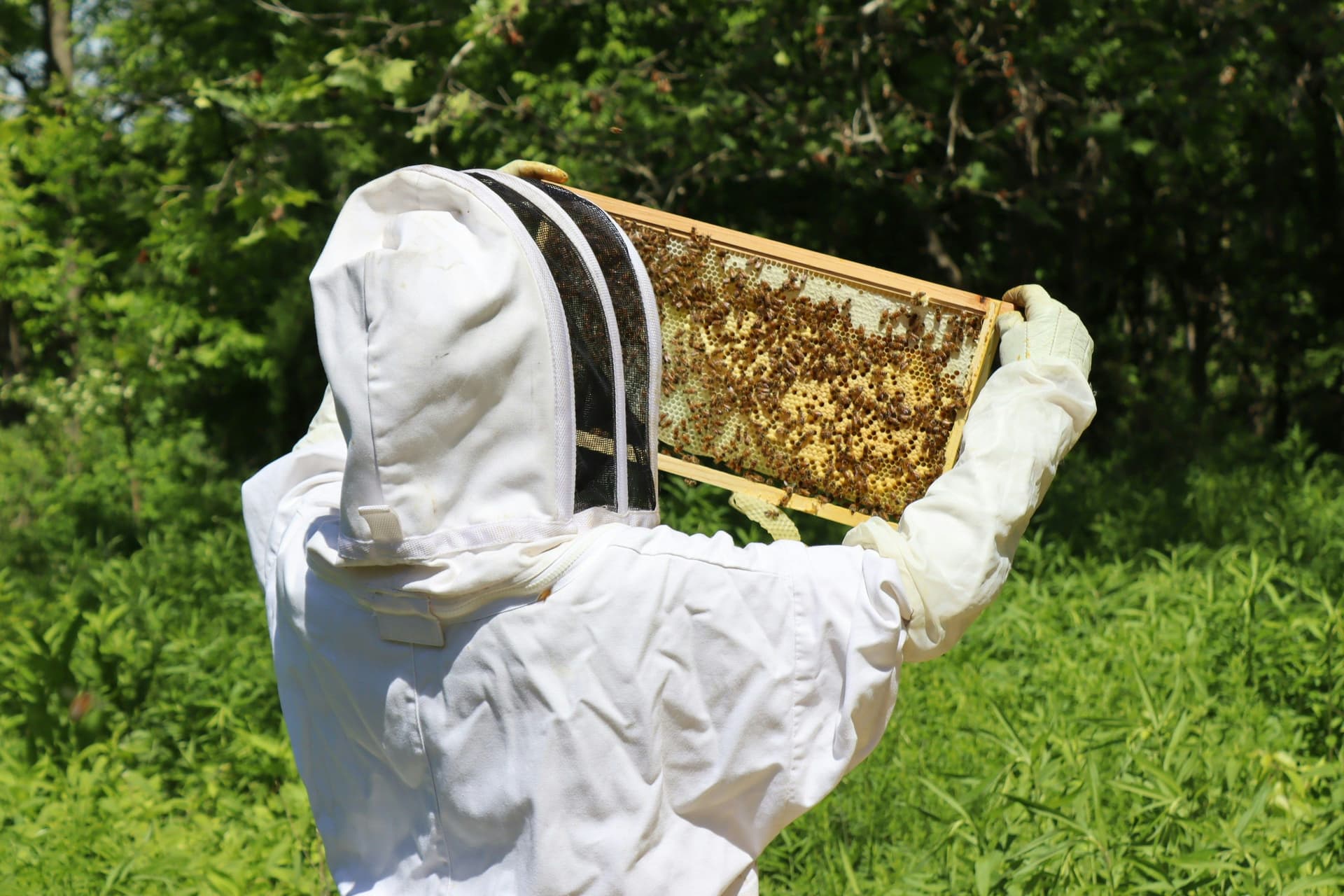
A Hive Count Alone Doesn't Finish the Job
Qualifying for the exemption also requires showing the land has been used for agriculture, beekeeping included, at a level of intensity typical for the area, generally evaluated over a five-to-seven-year history, per the Texas Comptroller's Manual for the Appraisal of Agricultural Land. A new landowner adding hives in year one isn't automatically grandfathered into a neighbor's decades-old ag valuation. The appraisal district looks at how the land has actually been used over time.
The Texas Beekeepers Association maintains a county-by-county reference for members, but even that resource carries a standing caution to verify directly with the county, because these guidelines shift. For anyone weighing beekeeping as a path to an ag exemption, a phone call to the county appraisal district, made before any hive purchase, is the cheapest insurance available.
Sources
Texas Tax Code, Section 23.51: https://statutes.capitol.texas.gov/Docs/TX/htm/TX.23.htm#23.51
Texas Comptroller, Manual for the Appraisal of Agricultural Land (96-300): https://comptroller.texas.gov/taxes/property-tax/docs/96-300.pdf
Texas Agriculture Code, Section 131.001 (current): https://codes.findlaw.com/tx/agriculture-code/agric-sect-131-001/
Texas Legislature, HB 4538 (88th Regular Session) Bill Analysis: https://capitol.texas.gov/tlodocs/88R/analysis/html/HB04538E.htm
Gillespie County Appraisal District, Ag Use Standards and Guidelines: https://gillespiecad.org/wp-content/uploads/2022/09/Ag-Use-Standards-and-Guidelines-2020.pdf
Travis / Hays / Williamson County Beekeeping Ag Guidance: https://beefriendlyaustin.com/wp-content/uploads/2019/04/County-AG-Beekeeping.pdf
Comal Appraisal District, Open Space Guidelines and Standards: https://comalad.org/wp-content/uploads/2024/01/2024-OPEN-SPACE-GUIDELINES-STANDARDS.pdf
Kerr Central Appraisal District, Ag Use Standards and Guidelines for 2026: https://kerrcad.org/wp-content/uploads/2025/11/Ag-Use-Standards-and-Guidelines-for-2026.pdf
Texas Beekeepers Association, Ag Valuation: https://texasbeekeepers.org/ag-valuation/
Texas Beekeepers Association, Bees By County: https://texasbeekeepers.org/bees-by-county/
Explore beyond the story
Browse listings, find businesses, or save this article for later.
 Listings
 Directory
Get the Newsletter
One reported story on Texas land, delivered free every month.
By signing up, you agree to receive emails from Texas Ranches. We never sell your address, and you can unsubscribe anytime.