

Aquaculture as a Business: How Coastal Texas Landowners Are Leasing Water for Shrimp, Oysters & Fish Farming
An emerging use for coastal Texas land: farming the water that comes with it.
Coastal Texas land has always produced income for the people who own it, through cattle, hay, hunting leases, and timber. What fewer buyers realize is that water-adjacent tracts carry an additional opportunity that most landowners have never considered: aquaculture.
Shrimp farming, oyster cultivation, and finfish operations are an emerging use for coastal Texas land, and the economics behind them are worth understanding, whether you already own property along the Gulf or you're evaluating what a coastal purchase could realistically generate.
What aquaculture actually means for a landowner
Aquaculture is the farming of aquatic species (fish, shellfish, crustaceans, and aquatic plants) in controlled or semi-controlled environments. On coastal Texas land, that typically means one of three things:
Shrimp farming: raising shrimp in constructed ponds on upland or transitional coastal property
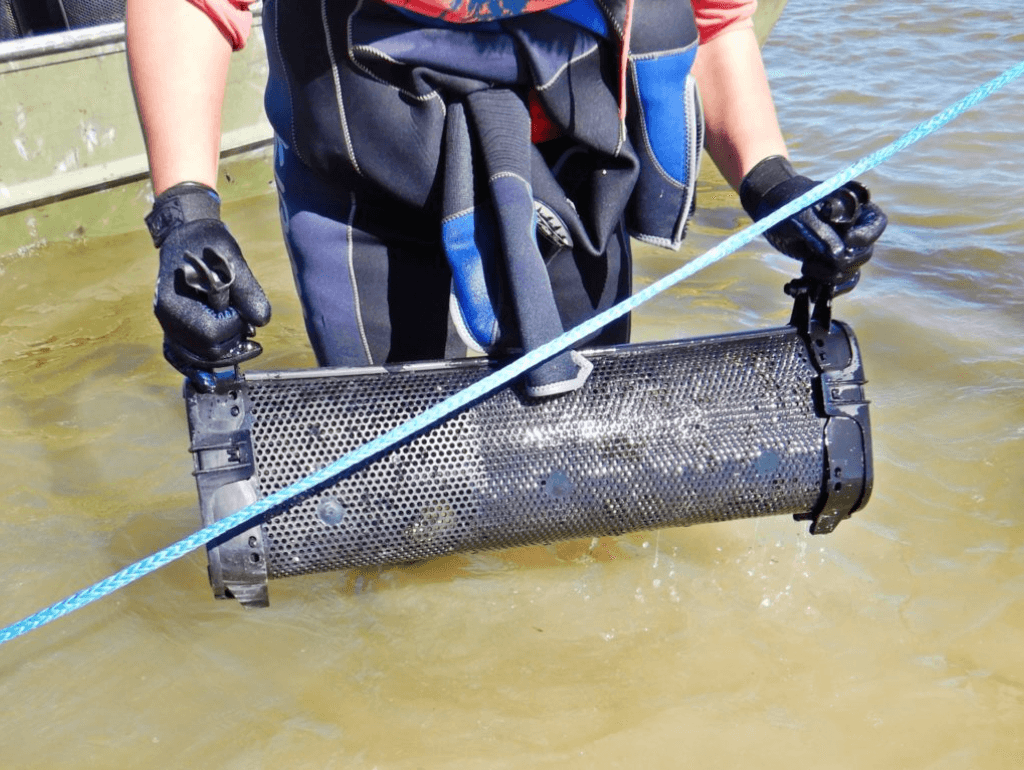
Oyster cultivation: growing oysters in cages or on the bay floor under a state permit and lease
Finfish production: raising species like redfish, flounder, or hybrid striped bass in ponds or tank systems
Each has different infrastructure requirements, different regulatory pathways, and different income profiles. What they share is a growing market. Consumer demand for locally sourced seafood has increased steadily, and Texas coastal producers are well positioned to meet it.
The land and water requirements
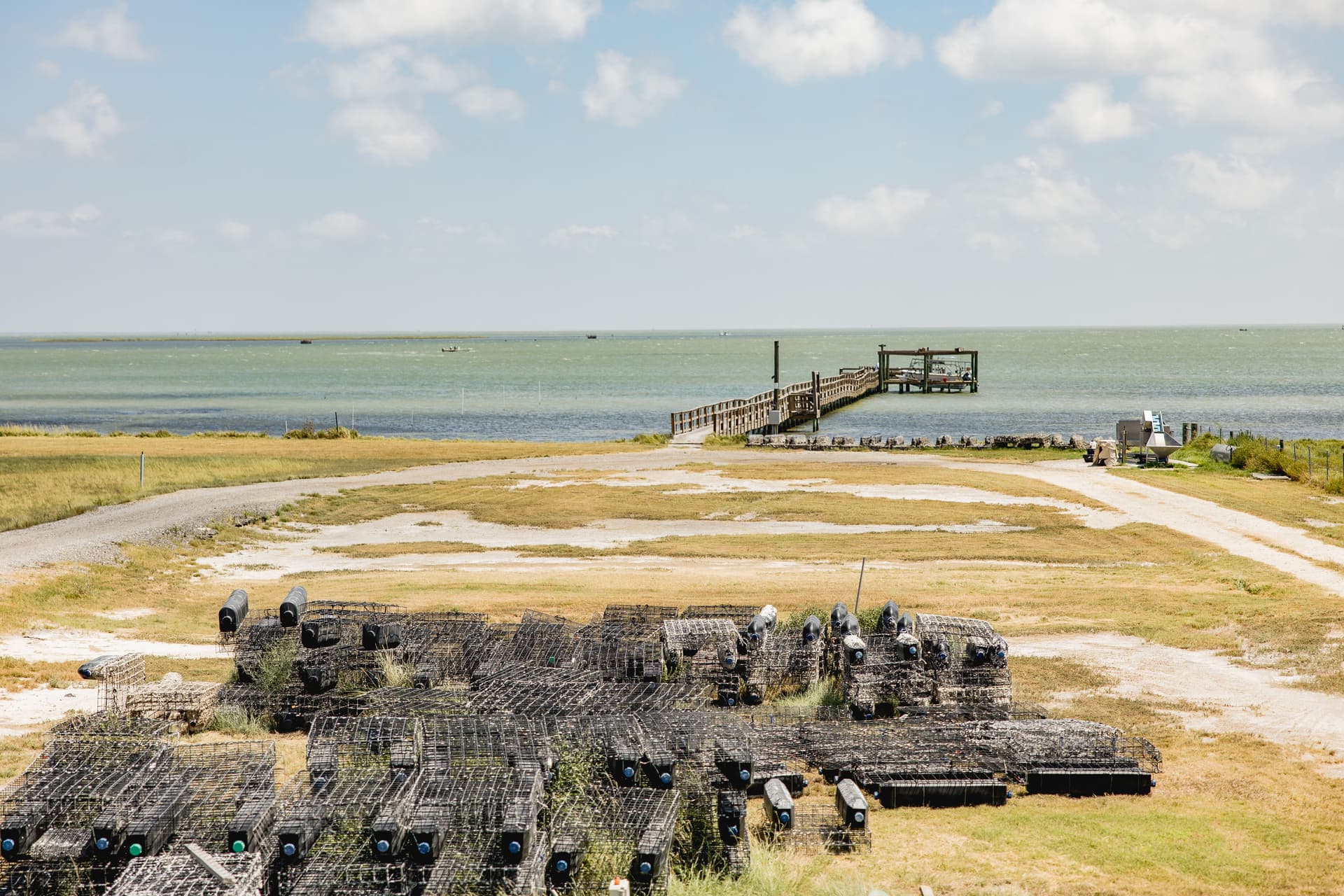
Photo Credit: Harte Research Institute
Not every coastal property is suited for aquaculture, and understanding what the land and water need to support it is the starting point for any serious evaluation.
For shrimp and finfish pond operations, the key considerations are:
Soil type: clay-heavy soils hold water well and are preferred for pond construction. Sandy or highly porous soils require lining, which adds cost.
Elevation and drainage: ponds need to be positioned and graded carefully to allow water exchange and harvest drainage.
Water source and salinity: shrimp and many coastal finfish require brackish to saline water, which means proximity to tidal waterways or the ability to pump and manage saltwater.
Acreage: commercial shrimp operations typically require multiple acres of pond surface to be economically viable.
For oyster cultivation, the calculus is different. The landowner doesn't farm on their private land. They obtain a cultivated oyster mariculture permit and place cages or cultch on leased, state-owned submerged land. The adjacent upland property serves as a base of operations for gear storage, boat access, and processing.
Regulatory considerations
Aquaculture in Texas is regulated at both the state and federal level, and oyster cultivation in particular involves two separate approvals.
A Texas Aquaculture License from TPWD. Under Texas Agriculture Code Chapter 134, no one may operate an aquaculture facility without a Class I or Class II license from the Texas Parks and Wildlife Department. Licenses are valid for two years.
A Cultivated Oyster Mariculture (COM) permit from TPWD. Since 2020, growing oysters in captivity has been regulated under Chapter 75 of the Parks and Wildlife Code, following the Texas Legislature's 2019 creation of the program.
A submerged land lease or easement from the GLO. Separate from the TPWD permit, anyone placing oyster mariculture structures on state-owned coastal land must lease that land from the Texas General Land Office. The GLO lowered its COM lease fee in 2024, from $1,500 to $500 per acre per year.
A TCEQ discharge permit for larger operations. Facilities that discharge process water are typically covered under TCEQ's Aquaculture General Permit (TXG130000), with authorization requirements scaled to the size and type of operation.
Army Corps of Engineers permits, where applicable. Pond construction or water control structures that affect wetlands or navigable waters can trigger federal permitting requirements.
The process is navigable, but it takes time. Starting the permitting process early, ideally before construction or significant investment, is the most common advice from operators who have been through it.
What the income opportunity looks like
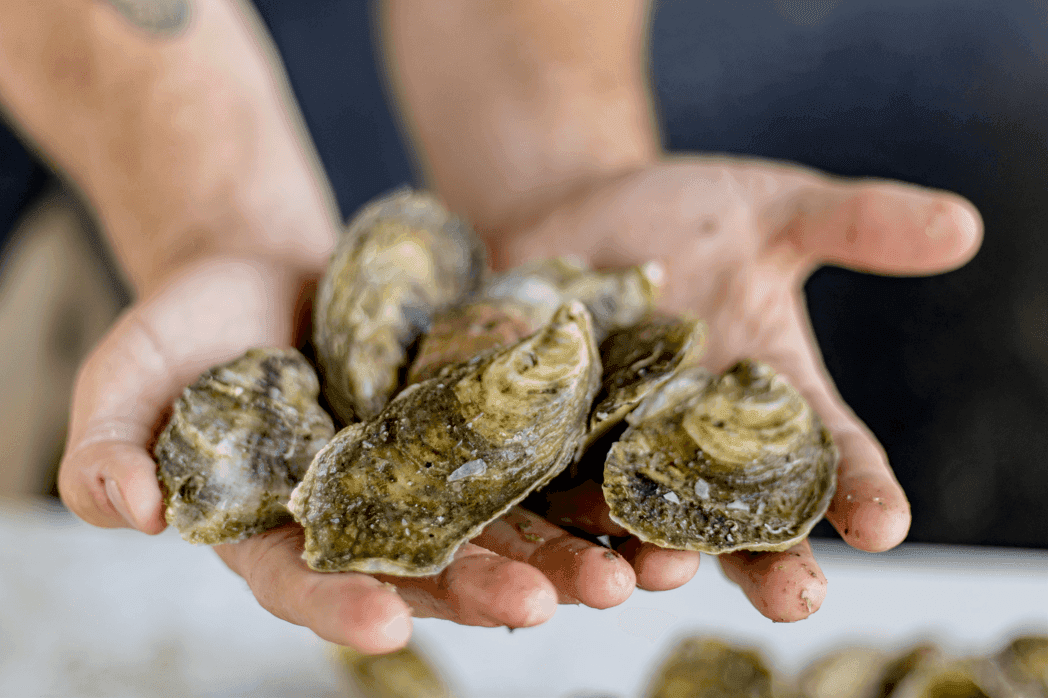
Photo Credit: Harte Research Institute
Aquaculture income varies widely depending on species, scale, and market access. A few reference points worth knowing:
Oyster cultivation on a well-managed GLO lease can generate meaningful per-acre returns, with Texas half-shell oysters commanding strong prices at restaurants and markets.
Small-scale shrimp operations, five to ten acres of pond surface, have supported supplemental income for coastal landowners who manage them alongside existing agricultural operations.
Redfish and other finfish species are raising interest among producers looking for alternatives to shellfish, though the market infrastructure for farm-raised finfish in Texas is still developing.
The buyers who have made aquaculture work tend to start small, understand their market before they scale, and treat it as one income stream among several rather than the primary business.
Is it right for your property?
Aquaculture isn't the right fit for every coastal tract, and the due diligence required to evaluate it honestly takes some time. Soil testing, water quality analysis, proximity to markets, and a clear-eyed look at startup costs and permitting timelines all factor into whether the opportunity is real for a specific property.
What it represents, for the right land and the right owner, is an income stream that some buyers in this region may not have thought to consider.

Good ranchers know we don't do this alone. This is a place to discuss everything from legacy planning, herd management, and land stewardship to innovative revenue models shaping the next generation of ranching in Texas.
Continue the Conversation on the Forum
Join the discussion with Texas landowners, ranchers, and experts.
New to TXR? Create a free account to join the conversation.
Explore beyond the story
Browse listings, find businesses, or save this article for later.
 Listings
 Directory
Get the Newsletter
One reported story on Texas land, delivered free every month.
By signing up, you agree to receive emails from Texas Ranches. We never sell your address, and you can unsubscribe anytime.